
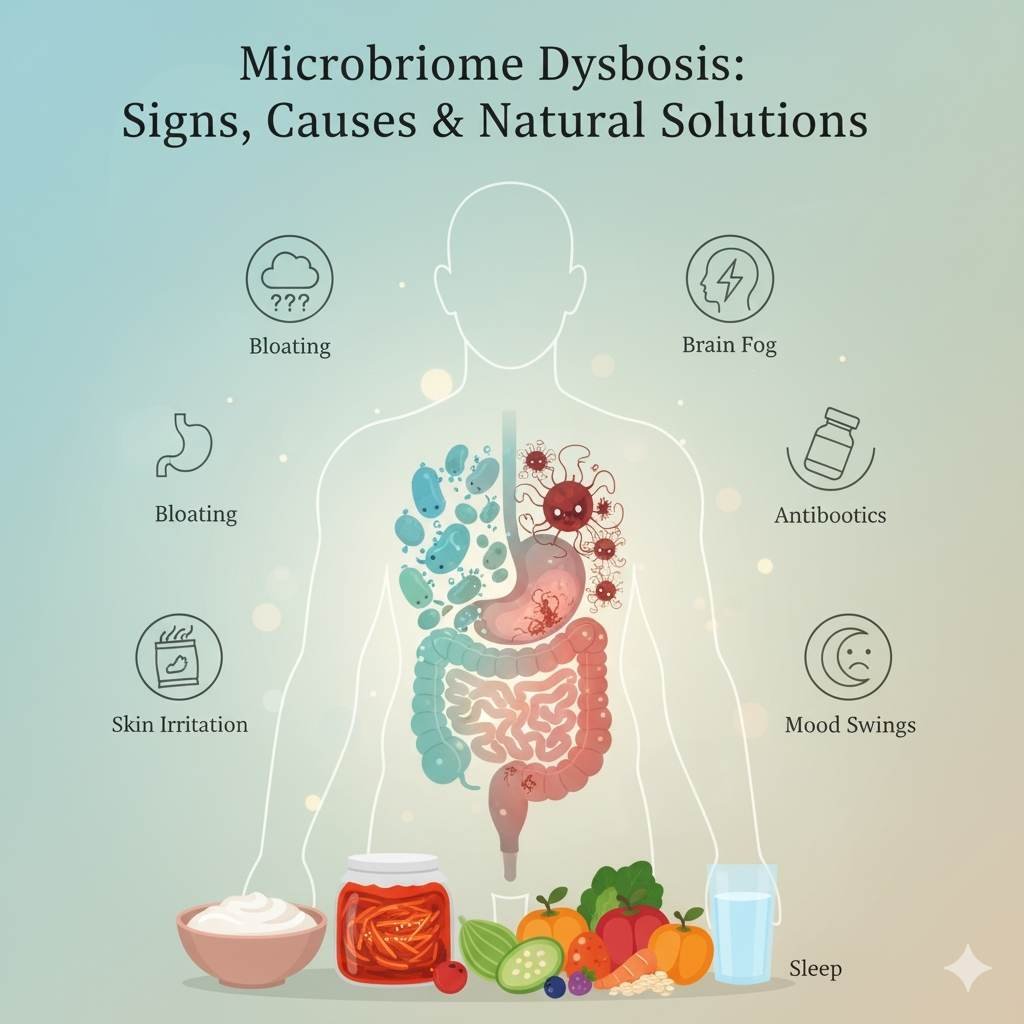
Your gut is like a busy garden inside you. When bad weeds take over, that is what we call microbiome dysbiosis.
It start slow. You may feel bloating, brain fog, skin rash, or even mood swing. The body speaks, but we often ignore. This imbalance mostly happens from too much junk food, stress, or long antibiotic use. It kills good bacteria (the small helpers in your belly). Then you feel tired even after sleep, craving sugar again and again.
Don’t panic. The gut can heal. Begin with simple things — eat more whole food, fermented food like curd or kimchi (just a spoonful daily). Drink water and sleep well. Stop rushing meal. Chew like it matter. This kind of natural step slowly brings the gut flora back into balance.
You will read the signs, causes, and deeper natural healing ways next. Start today by watching what your gut tells.
Table of Contents
ToggleWhat Is Microbiome Dysbiosis?
Your gut is not just for food. It’s like a busy city, filled with tiny good and bad bacteria fighting for balance.
When this balance go wrong, it called microbiome dysbiosis. The gut then stop working in harmony. Good bacteria go less, and harmful one start to grow more. You feel bloated, tired, sometimes even skin get dull or itchy. It not only stay in the stomach — it touch your mood, your sleep, your immunity also.
Think of your gut as garden soil. When good bacteria are many, soil stay rich and plants (your body systems) grow healthy. When bad bacteria take over, weeds spread everywhere. That’s how dysbiosis act inside you.
This condition comes from wrong diet (too much sugar, fried food, or antibiotics). Stress and lack of sleep make it worse. Gut lining become weak, and toxins leak out (like holes in the wall). Then inflammation start and you feel unwell without knowing why.
To keep microbiome balance, eat fibre-rich food, fermented things (like curd, pickle, kimchi). Drink water often, and let your body rest. Remember, the microbes inside you also want peace — not war.
Why a Balanced Gut Microbiome Matters
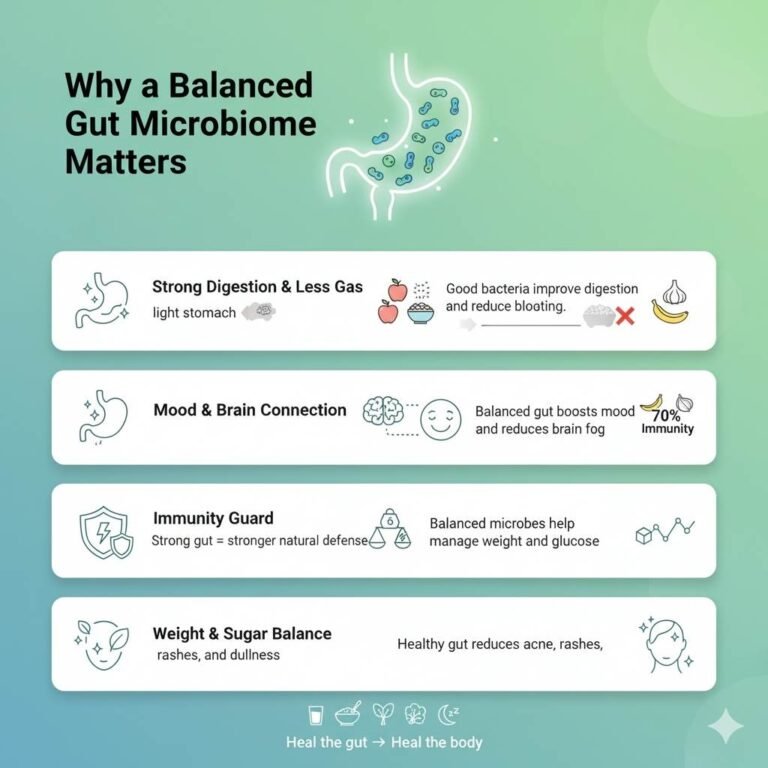
A healthy gut feels like quiet peace inside your belly. When digestion runs smooth, energy flows. When it fails, mood goes down, food feels heavy, and body reacts. This is why your gut balance matters more than most people think.
Why a Balanced Gut Microbiome Matters
- Strong digestion and less gas
Good bacteria help break down food. They absorb nutrients faster and reduce bloating. Eat fibre (like apples, oats, bananas) to feed them well. - Mood and brain connection
The gut talk to brain all the time. When gut flora go bad, brain feel foggy and you get irritated for no reason. A balanced gut lift mood naturally (try yoghurt or fermented food). - Immunity guard
Almost 70% body defense sit in gut wall. When gut stay strong, cold and infection attack less. Bad bacteria make gut wall weak. - Weight and sugar balance
Unbalanced gut mess with insulin. You crave junk food more. Balanced gut keeps sugar control and help body burn energy slowly and steadily. - Skin and inflammation
If you see acne, rashes, or tired skin, check your gut first. Heal from inside. Drink more water, avoid processed snacks, and rest well.
Signs Your Gut Microbiome Is Out of Balance
When your belly feels wrong, it tells you fast. But many times, it’s not just food—it’s your gut microbiome asking for help. These tiny bacteria live inside you and control more than just digestion. When they go out of balance, the whole body feels strange.
Signs Your Gut Microbiome Is Out of Balance
Digestive Issues
Start here first. You may feel bloated after small meals, or get heart burnt often. Stool may change—sometimes too loose, sometimes too dry. (That is the gut showing trouble.) Eat simple food then watch what happens inside the belly.
Skin Problems
When the gut is not clean from inside, skin becomes dull or itchy. Acne, eczema patches, or sudden red spots—these are signs. The gut toxin goes out through the skin. Think of skin as a mirror of the intestine.
Fatigue and Mood Swings
Feel tired even after rest? Or angry for no reason? Gut bacteria make hormones, too. When they are sick, mood becomes unstable. You may wake heavy-headed or sleepy during the day even without hard work.
Frequent Infections
Gut protect immune power. If you often catch cold or a sore throat, it means weak microbiome. Heal gut, and body defense will rise again. Start slow with fermented food, fibre, and enough water (not too cold).
Common Causes of Microbiome Dysbiosis
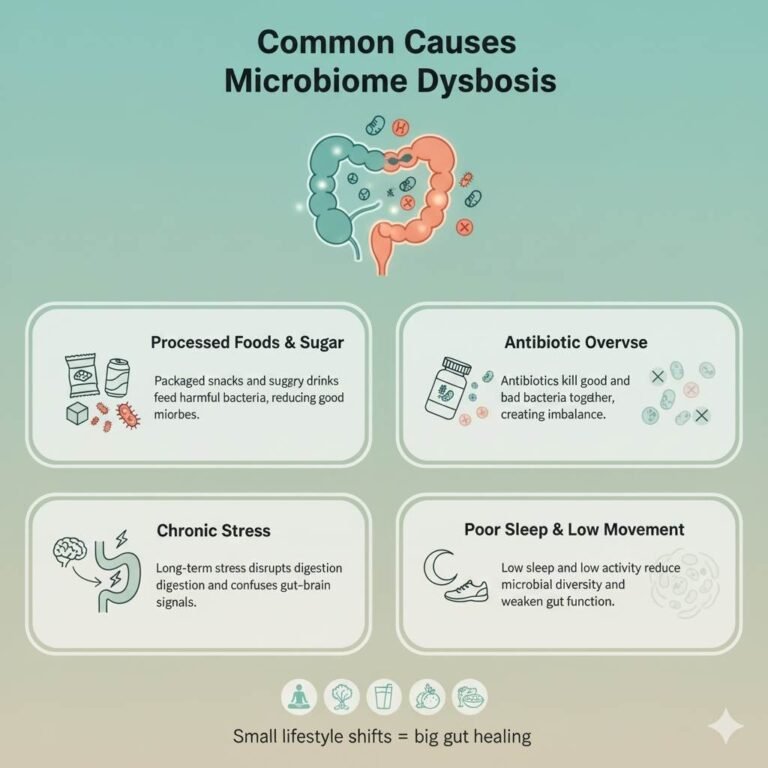
Your belly is more alive than you think. It hold billions of small creature — good and bad — that shape your digestion, mood, and even your skin. When the balance breaks (that’s what dysbiosis means), your gut starts shouting in signs like bloating, gas, tired mind, and strange cravings.
Common Causes of Microbiome Dysbiosis
Processed Foods and Sugar
Eat too much packaged snack or sweet drink? The bad bacteria love it. They grow fast, push away the friendly ones. So avoid chips, sodas, cookies (sometimes take a cheat bite, but not daily). Try eat raw veg, fermented food, and real fruit.
Antibiotic Overuse
One antibiotic can kill both enemy and friend. It cleans the gut too much. So don’t take pills unless your doctor say it’s needed. If you did, later eat yoghurt or kefir to bring life back to your gut.
Chronic Stress
When stress stay long, your gut brain (yes, it has one) get confused. It releases acid, slow digestion. So breathe deep, walk outside, or do gentle yoga.
Lack of Sleep or Exercise
Sleep less and move less, and bacteria diversity drop. Go to bed same time (even weekend), and walk after meal. Small habits shape strong gut.
How Dysbiosis Affects Whole-Body Health
When your gut feels off, your whole body feels it too. That’s how dysbiosis begin — when the good and bad bacteria in your gut lose balance. Then small things start showing — bloating, skin rash, brain fog, even mood change. Many people ignore it, but it spreads its effect quietly.
How Dysbiosis Affects Whole-Body Health
- Gut and Digestion
Gas, bloating, or weird stool pattern (sometimes too loose, sometimes tight). It means the gut bacteria can’t digest food well. Drink plenty water and eat warm cooked food. - Brain and Mood
Gut connect to brain with the vagus nerve. When gut is sick, it send the wrong signal. You may feel anxious or low energy (no clear reason why). - Skin and Immunity
Body toxins try to go out through skin. This bring acne, rash, or dull tone. Keep bowel movement proper; skin will calm. - Energy and Inflammation
Dysbiosis makes inflammation high. You feel tired even after sleep. Start slow fix — more fibre, less junk, proper sleep.
Testing for Gut Imbalance: What You Can Learn
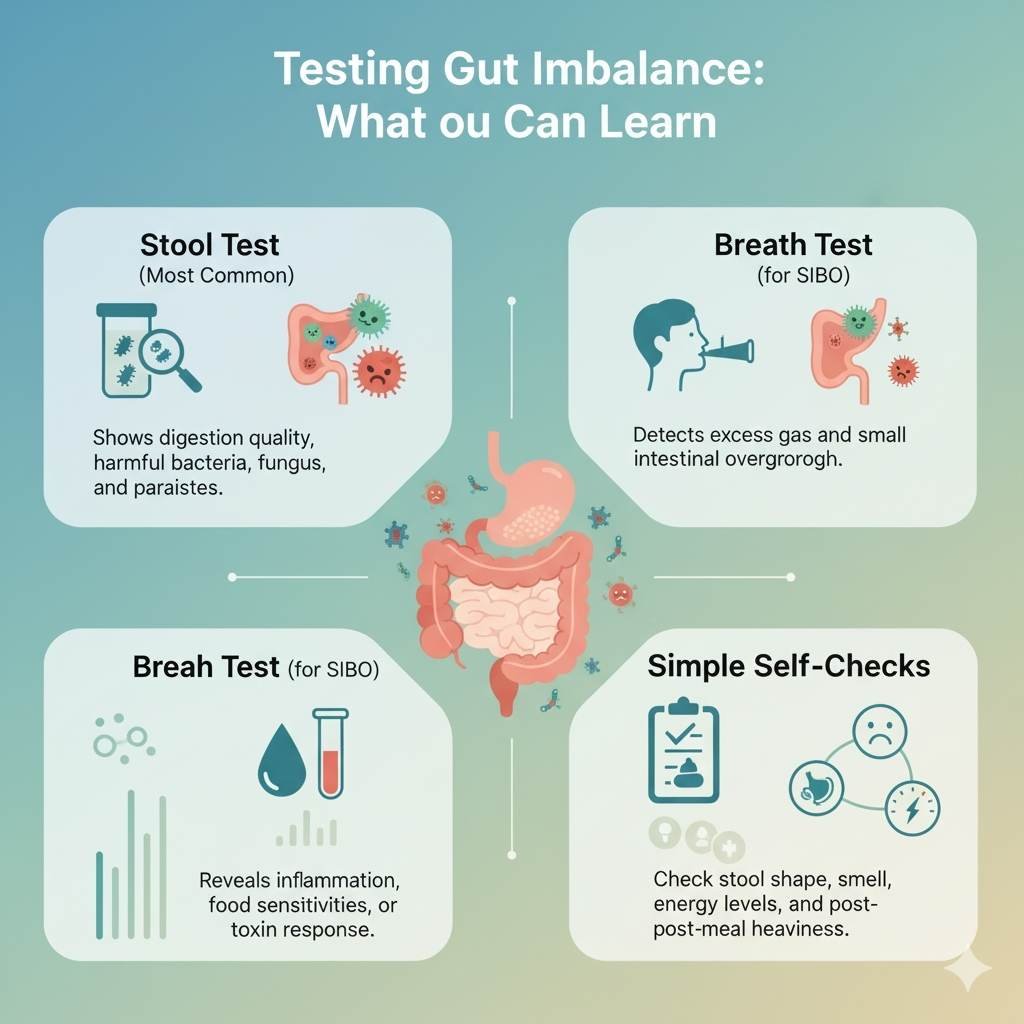
Your gut sends signal before you even know it. When it out of balance, you feel tired, bloated, or moody without reason. Testing for gut imbalance tells a lot about what’s going on inside (and what your food doing to you).
Testing for Gut Imbalance: What You Can Learn
- Stool Test (most common)
Check how well you digest food. It shows bad bacteria, fungus, or parasites living quietly inside. Good to do if you always feel bloated after meal. - Breath Test
Blow into small tube after drinking sugar mix. If gas shows high numbers, you may have small intestinal bacteria overgrowth (SIBO). It makes your tummy tight and noisy. - Blood Test
Show immune reaction to certain food or toxin. If you often get skin rash or tiredness, test help point to root. - Simple Self Checks
Watch stool shape and smell (yes, important). Listen to body after meal — if heavy or sleepy, gut maybe not happy.
Natural Ways to Restore Gut Balance
Your gut talk even when you don’t listen. When it hurt, bloat, or slow down — it’s saying something is off. Bring it back to balance, gentle way, natural way. No need fancy pills first. Focus on what body already know to heal itself.
Natural Ways to Restore Gut Balance
- Probiotic and Prebiotic Foods
Eat curd, kefir, pickle water. These have live good bacteria. Take banana, onion, garlic — these feed good bacteria (called prebiotic). Do this daily, small amount, not overload. - Fiber-Rich Diet
Add brown rice, beans, apple, flaxseed. Fiber sweep gut clean (like small broom). Drink more water with it, or it causes gas. - Mindful Eating and Stress Control
Chew slow. Sit when eat, no scrolling. Breathe calm before meal. When stress too high, gut stop working smooth. - Herbal and Fermented Helpers
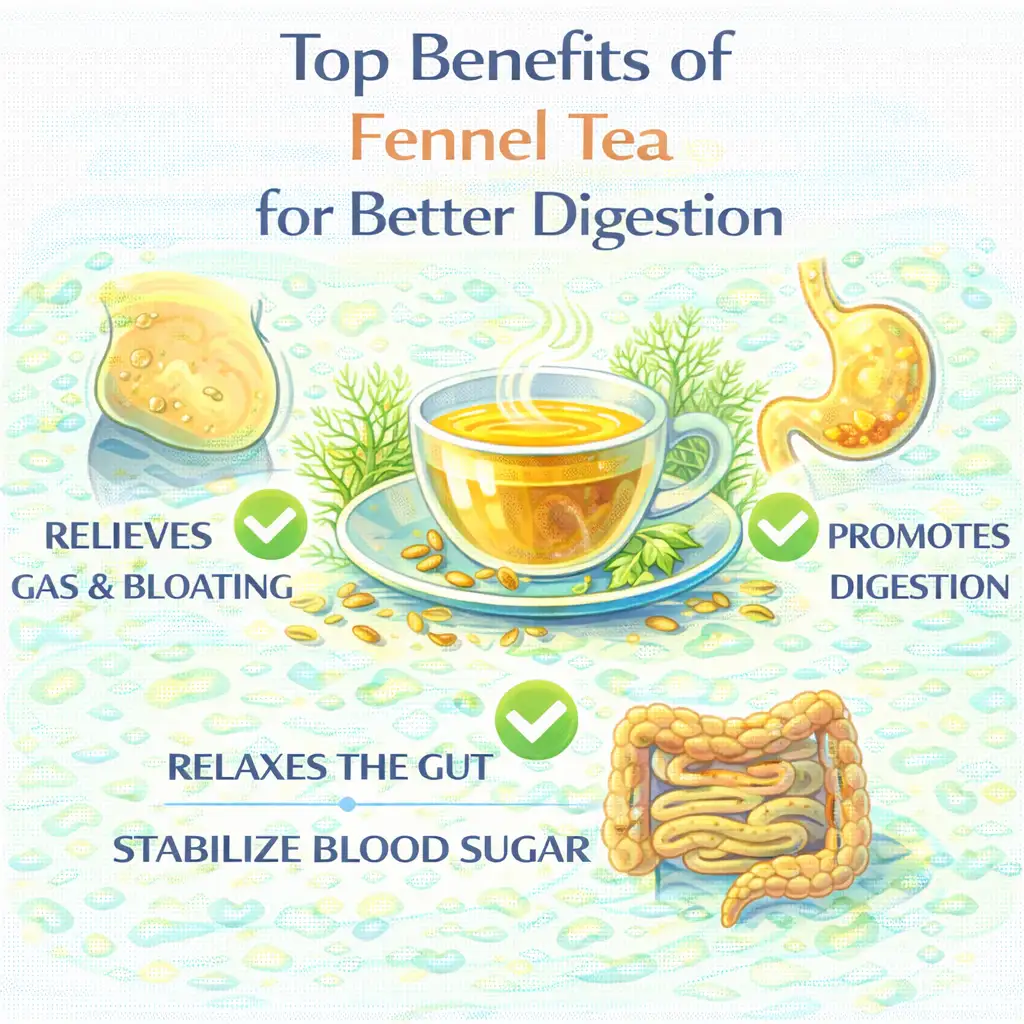
Try ginger tea, aloe juice, or fennel seed water (after meal). Fermented foods like kimchi, idli, or kanji wake up digestion power.
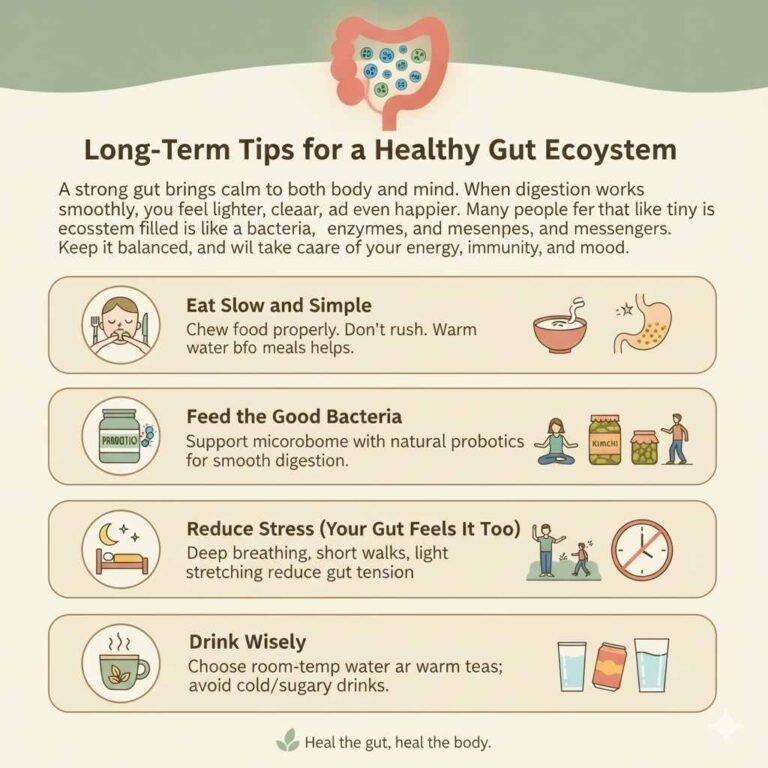
Long-Term Tips for a Healthy Gut Ecosystem
A strong gut bring calm to body and mind. When digestion work smooth, you feel light, clear, even happy. Many time we ignore that stomach is like small world of bacteria and enzymes—keep it friendly and it will take care of you.
Long-Term Tips for a Healthy Gut Ecosystem
- Eat slow and simple.
Chew proper. Don’t rush food down like machine. Your gut like time (warm water helps too). - Feed good bacteria.
Add yoghurt, kefir, fermented pickle, or kanji water. These small things grow tiny helpers inside stomach. - Avoid too much stress.
Mind upset, gut upset. Do deep breathing or short walk after meals. (Even 5-min walk help release gas.) - Sleep on time.
Gut need rest same like your brain. Late-night meals confuse digestion rhythm. - Drink wisely.
Too cold or sugary drinks shock digestive fire. Try room-temperature or herbal tea instead.
Read More Related Articles:
Build healthier routines with 10 Daily Habits to Extend Your Healthspan in 2025.
Upgrade your aging strategy through Science-Based Longevity Protocols for Optimal Aging.
Discover research-backed nutrients in Best Longevity Supplements.
Rejuvenate naturally with Anti-Aging Wellness.
Strengthen your health from within with Cellular Health Optimization.
Soothe your mind using 5 Natural Stress-Busting Techniques.
Learn effective stress-control strategies in Stress Management Solutions.
Reset your mind and focus with Digital Detox Guide.
Calm anxiety naturally with Natural Anxiety Relief.
Start mindful living with Mindfulness for Stress Relief.
Eat for optimal energy through Functional Nutrition.
Transform your digestion and immunity with Gut Health Revolution.
Personalize your eating habits with Personalized Nutrition Based on Your Gut Bacteria.
Frequently Asked Questions
It means the gut bacteria are not balanced. Good bacteria go down, bad ones take over. You may feel bloated, tired, or moody without clear reason.
- Frequent gas or loose stool (or sometimes constipation).
- Sugar cravings all day.
- Skin flare-up like acne or itch rash.
- Brain fog or low focus after meals.
Too many processed foods, antibiotics, stress, and lack of fibre. Even skipping sleep hurt the gut. When you eat rushing or angry, digestion stop halfway (you can feel it).
Yes. It change your mood hormones, and immune power drop fast. You catch flu quickly or gain unexplained weight.
Start slow.
- Eat fermented foods (like curd, kimchi, or kanji).
- Add fibre daily, drink warm water.
- Sleep early and chew calm.
- Avoid junk sugar (one soda can spoil whole gut day).
Usually 2–4 weeks if you stay regular. Gut heal slow, like garden soil after rain—be patient, feed it daily.
References
Cleveland Clinic. (2025, October 23). Dysbiosis: What it is, symptoms, causes, treatment & diet.
Hrncir, T. (2022). Gut microbiota dysbiosis: Triggers, consequences, diagnostic approaches, and therapeutic perspectives. Frontiers in Microbiology, 13, 1040336.
Hou, K., Wu, Z. X., Chen, X. Y., Wang, J. Q., Zhang, D., Xiao, C., Zhu, D., Koya, J. B., Wei, L., Li, J., & Wang, G. (2022). Microbiota in health and diseases. Signal Transduction and Targeted Therapy, 7, 135. https://www.nature.com/articles/s41392-022-00974-4
Osmosis. (2025, January 5). Dysbiosis: What is it, causes, and more. https://www.osmosis.org/answers/dysbiosis
WebMD. (2024, November 12). Dysbiosis: Gut imbalance, IBD, and more. https://www.webmd.com/digestive-disorders/what-is-dysbiosis
Safarchi, A., Jesudhasan, P., & Kroll, A. V. (2025). Understanding dysbiosis and resilience in the human gut microbiome. Frontiers in Microbiology, 16, 1559521.
ScienceDirect Topics. (n.d.). Dysbiosis — An overview. Elsevier.
Paredes-Torres, L., Cirauqui, C., Membrive-Jiménez, M. J., Gómez-García, M., Alarcón-Cavero, T., García-Seisdedos, D., Úbeda, C., Suárez-Moreno, R., & González-Muñoz, M. J. (2024). Intestinal dysbiosis: Exploring definition, associated symptoms, and diagnostic tools. Medicina (Kaunas), 60(9), 1470.
Rowland, I., Gibson, G., Heinken, A., Scott, K., Swann, J., Thiele, I., & Tuohy, K. (2018). Gut microbiota functions: Metabolism of nutrients and other food components. European Journal of Nutrition, 57(1), 1–24.
Martin, A. M., Sun, E. W., Rogers, G. B., & Keating, D. J. (2019). The influence of the gut microbiome on host metabolism through the regulation of gut hormone release. Frontiers in Physiology, 10, 428.
European Food Information Council (EUFIC). (2023, May 31). Shaping the gut microbiome through personalised nutrition.
Sabih Ur Rehman, S., Tariq, M., & Abbas, Z. (2025). Integrative systems biology approaches for analyzing microbiome dysbiosis and its implications in human diseases. Briefings in Bioinformatics, 26(4), bbaf323.
Bäumler, A. J., & Sperandio, V. (2023). Gut dysbiosis: Ecological causes and causative effects on human disease. Proceedings of the National Academy of Sciences, 120(49), e2316579120.
Li, Y., Zhang, Q., & Wang, X. (2025). Gut microbiota dysbiosis: Pathogenesis, diseases, prevention, and therapy. BMC Microbiology, 25, 112.
Singh, R., Zogg, H., Wei, L., Bartlett, A., Ghoshal, U. C., Rajender, S., & Ro, S. (2021). Gut microbial dysbiosis in the pathogenesis of gastrointestinal dysmotility and metabolic disorders. Journal of Neurogastroenterology and Motility, 27(1), 19-34.



One Response
Best Blog.