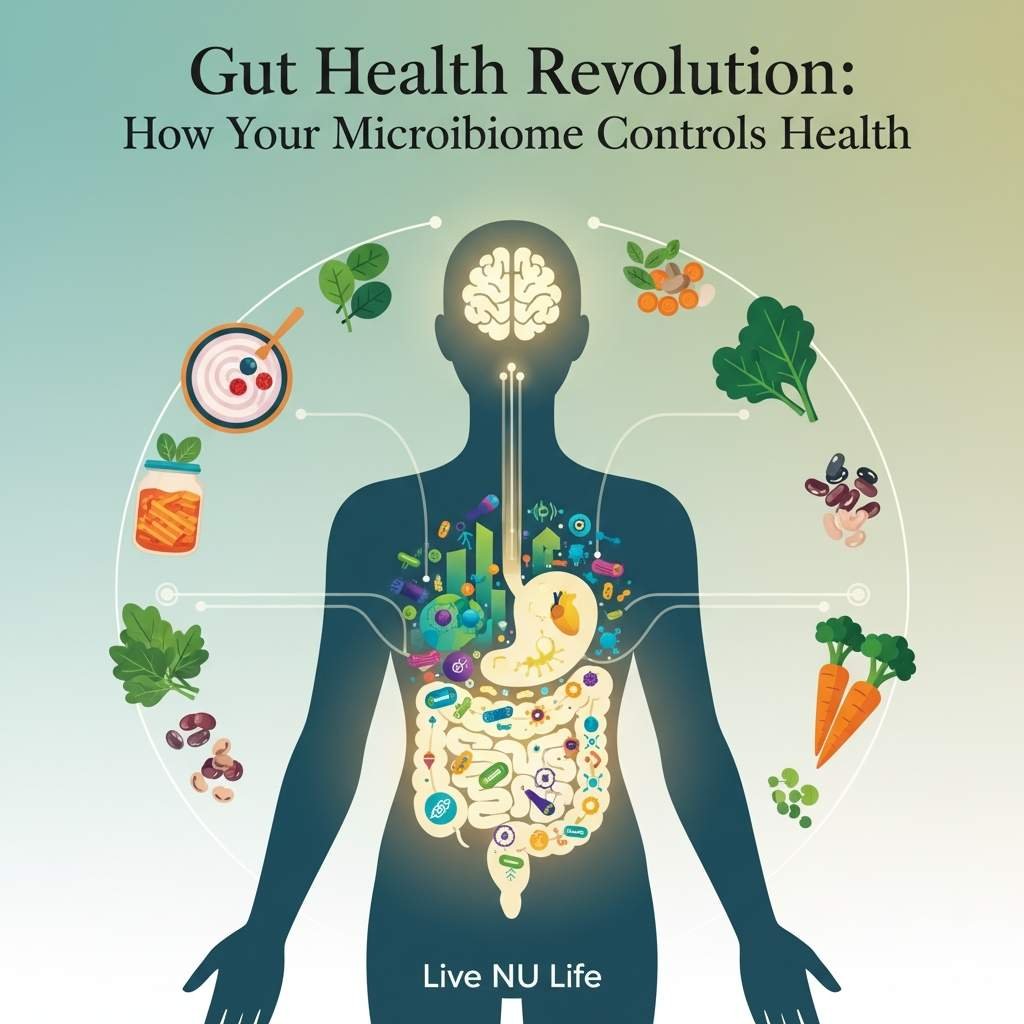
Your gut is not just about food. It’s like a busy city inside you — full of bacteria, workers, and little messengers talking to your brain every second. When this city breaks down, you feel it everywhere. Stomach pain, tiredness, skin problems, and even mood crashes.
Start by knowing this: your gut microbiome controls more than digestion. It controls immunity, weight, sleep, and how your brain feels. (Yes, really — gut and brain talk through the vagus nerve.)
So fix the gut first before chasing every new diet. Feed it right. Eat fiber foods — vegetables, beans, fermented stuff like curd, kimchi. Avoid sugar bombs. Sleep well. Stress less (stress kills good bacteria fast).
Think of your gut like soil. Bad soil, weak plants. Healthy soil, strong body.
This guide will show you how to rebuild your gut step by step, so your inner city starts working smoothly again.
Table of Contents
ToggleWhat Is the Gut Microbiome and Why Is It So Important?
Inside your belly live trillions of tiny life (bacteria, fungi, and others). They live mostly in your intestines and work quietly. This community is called the gut microbiome. It talks with your brain, your immune system, and even your mood (strange but true). When this world is healthy, your whole body feels lighter and more balanced.
Why It Is So Important
- Help in Digestion and Energy
These bacteria break down food that even stomach acid can’t do. They turn fiber into short-chain fatty acids (these support gut lining and give energy). So eat fruits, dal, oats, and good fiber foods.
- Support Immunity (your natural shield)
About 70% of the body’s immune cells live near the gut wall. When the microbiome stays balanced, it stops bad germs from growing. When you get upset, you catch a cold more easily.
- Affect Mood and Brain Health
The gut makes serotonin (that happy hormone). When digestion is upset, mood also swings. So gut healing means mind healing too.
- Control Weight and Sugar
Different bacteria help balance sugar levels and fat storage. Too much junk food disturbs this mix.
Take care of this inner ecosystem like a garden. Feed it with fermented food, less stress, and clean water.
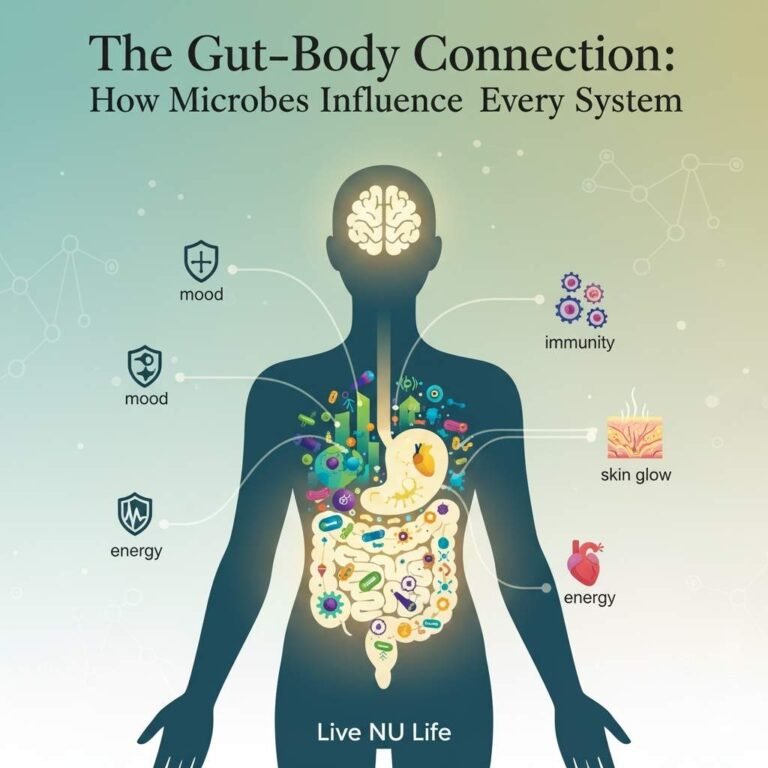
The Gut–Body Connection: How Microbes Influence Every System
The gut is not only for digesting food. It’s the hidden control room for your whole body. When gut bacteria go out of balance, everything goes wrong — mood, skin, energy, even sleep.
The Gut–Body Connection
Gut microbes talk to every system through signals (called metabolites). They send messages to your brain, immune system, and hormones. Think of it like Wi-Fi running through your body — if it’s weak, nothing works smoothly.
- Gut and Brain
Bad gut microbes make stress hormones go up. Then you feel anxious or foggy (that’s why we say “gut feeling”). Eat fiber, fermented food like curd, and kimchi. Avoid too much sugar — it feeds the wrong bacteria.
- Gut and Immunity
Almost 70% of immunity lives inside the gut lining. So if your gut is inflamed, your body fights itself. Drink warm water in the morning, and rest your stomach sometimes (a 12-hour gap between dinner and breakfast works).
- Gut and Skin
Acne, dryness, or dullness often come from poor gut detox. Support the liver, too. Add veggies, bitter foods, and probiotic yogurt.
- Gut Reset Practice
Start the day with lemon water. Then 5 deep breaths (help vagus nerve). Walk daily after meals; even a small walk works (keep microbes happy).
Signs Your Gut Health May Be Out of Balance
Your belly speaks before your mouth. When gut health goes wrong, the body starts sending many small signals. Don’t wait till it shouts. Learn to listen early (your stomach is already trying to tell you).
- Constant bloating and gas
After every meal, if the belly swells like a balloon, this means digestion is working slowly. It may happen when gut bacteria are not in balance. Try warm water and a small walk after food. Avoid a heavy dinner (body tired at night).
- Irregular bowel movement
Too hard or too loose stool is a red flag. A healthy gut means smooth, daily motion. Fiber food, like oats, bananas, or boiled vegetables, helps to fix this rhythm.
- Low energy and brain fog
When the gut leaks or is inflamed, nutrients are not absorbed well. That makes you tired even after rest. Take probiotic food like curd or fermented rice. (They are simple but strong healers.)
- Skin trouble and mood swings
Bad gut show outside. Acne, dull skin, or random anger often link to gut toxin buildup. Try a light detox day with green juice and no junk.
Keep tracking your body response. Gut healing takes time, but results come—it starts from inside and shines outside.
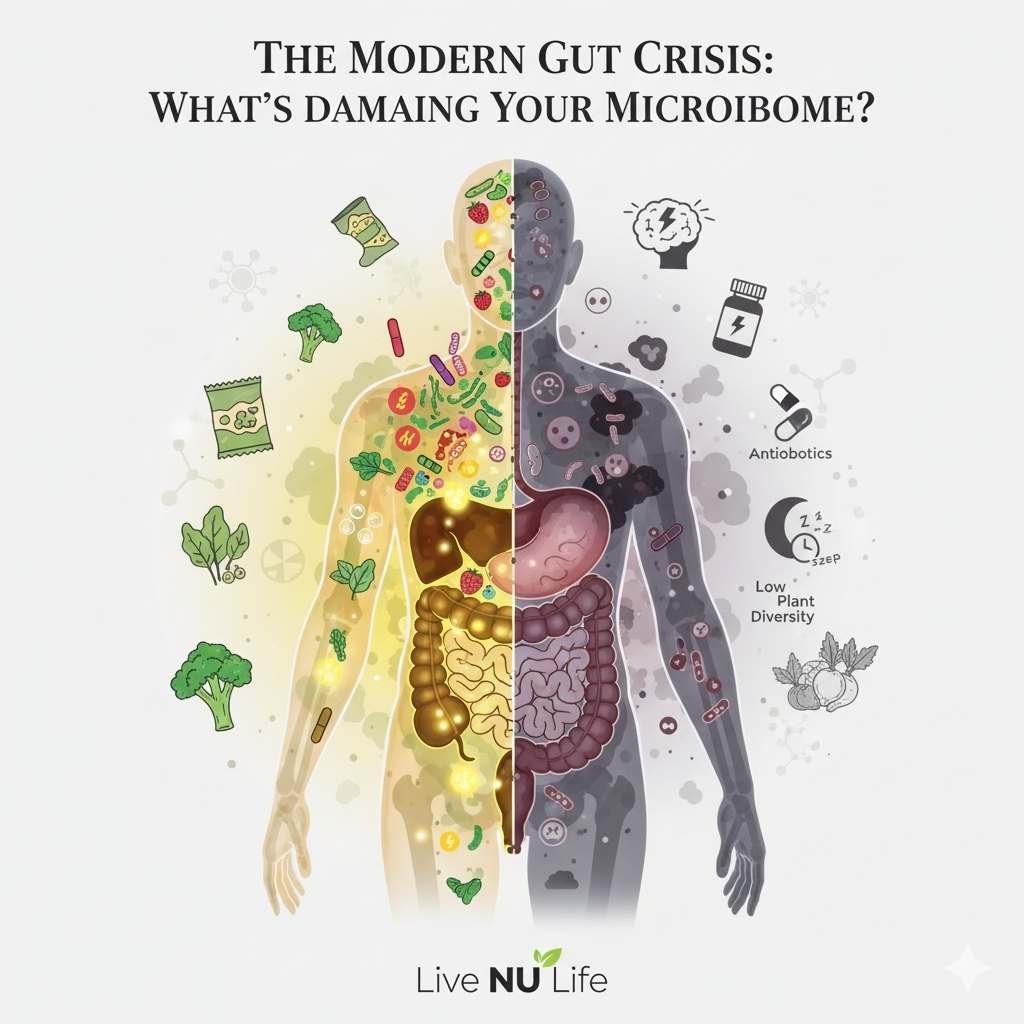
The Modern Gut Crisis: What’s Damaging Your Microbiome?
The gut is not just a stomach thing — it’s the control room of your whole health. But today, this small world inside us is tired. We eat fast, sleep less, and feed our microbes junk they never asked for. This is the modern gut crisis — silent but powerful.
What’s Breaking the Gut Balance
Too much processed food
Stop eating things that come in shiny packets every day. These foods kill friendly bacteria. (They love fiber, not sugar and oils.)
Antibiotic overuse
One round of antibiotics can wipe out half your gut friends. Only take when the doctor tells. Give time after that to rebuild with fermented food.
Chronic stress
Always rushing means your gut never rests. Stress tightens the stomach. Try deep breathing, or simple movement like a slow walk after food.
Poor sleep
The gut works at night like a silent cleaner. No deep sleep means half cleaning done. Try to sleep before midnight. Dark room helps.
Lack of plant diversity
Eat like a rainbow — different color veggies and fruits. Each color feeds a different bacterial team.
The Gut Health Revolution: Science Meets Nutrition
The gut is now called our second brain. It affects mood, weight, and even immune strength. This is not just diet talk anymore — it’s science now proving what old healers already said: “All health starts in the gut.”
Clean the Gut First
Cut down processed food (itslowsw digestion). Avoid too much sugar and fried snacks. These make bad bacteria bloom fast. Drink warm water in the morning; it flushes toxins. Add fiber slowly — like oats, banana, or soaked chia — not suddenly (else gas problem comes).
Feed the Good Bacteria
Take natural probiotics. Curd, kefir, pickles, and kanji — these all build good bacteria. Prebiotics like garlic, onion, and apple also help them grow. Think of it like farming — feed good ones, starve the bad ones.
Rest and Movement
Gut works best when the body moves and the mind rests. Walk after meals. Do some deep breathing before sleep. Stress tightens the gut wall (many people get heartburn from that). Sleep enough, same time daily.
Modern Science Meets Old Wisdom
Now doctors link gut flora with mental calm, diabetes, and even skin glow. So, gut health is not only about digestion — it’s about total energy balance. Start simple. One fermented food a day, one mindful meal. Let the revolution start inside.
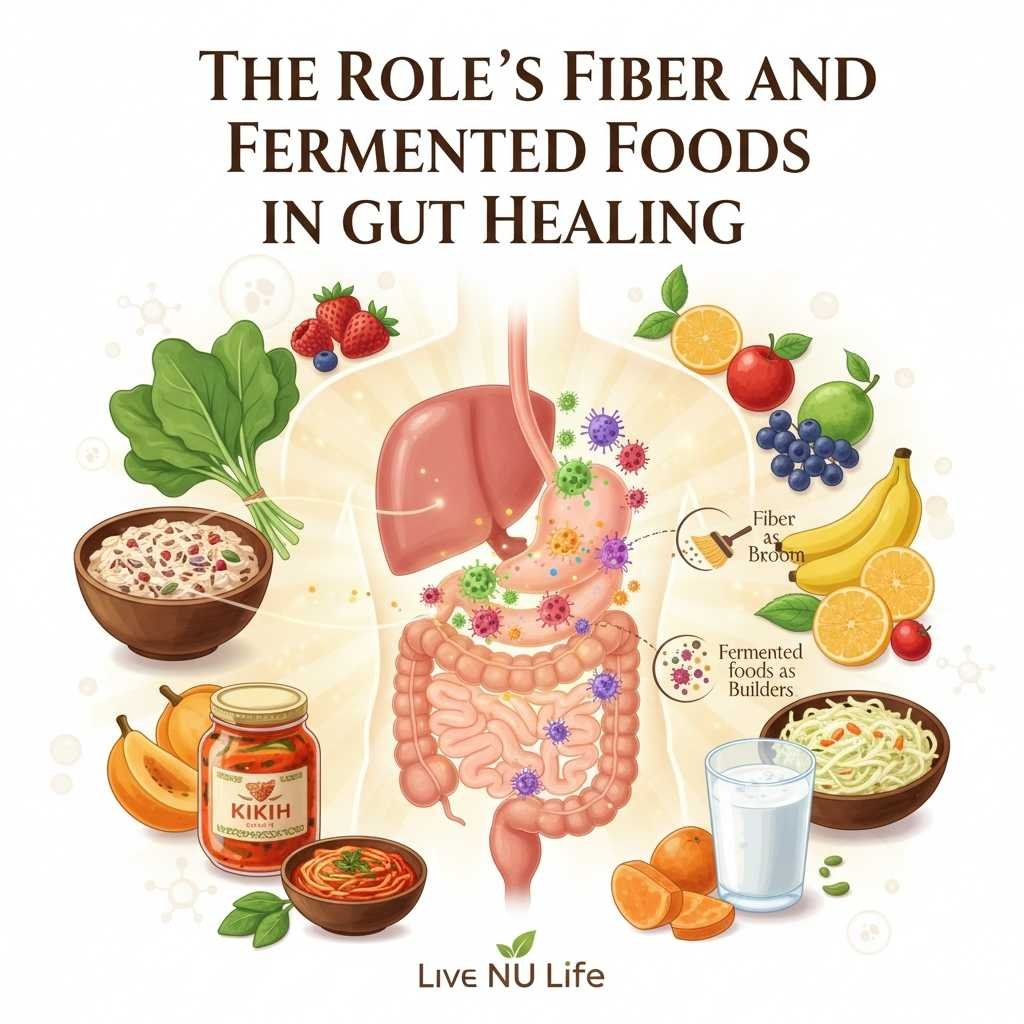
The Role of Fiber and Fermented Foods in Gut Healing
When the gut feels heavy, bloated, or always upset, most time the real reason is inside — the tiny microbes are not happy. Healing the gut is not only about medicine, it’s about feeding good bacteria and cleaning old waste. Fiber and fermented food do that job quietly every day.
Heal from Inside Out
- Start with Fiber (the gut sweeper)
Eat fruits, vegetables, oats, flaxseed, and whole grains. These act like a broom inside your intestines. They collect old waste and feed good bacteria at the same time. (Don’t jump suddenly to high fiber, go slow or you’ll feel gas.) Drink more water when you increase fiber; dry fiber can stick and cause discomfort. - Add Fermented Foods (the gut builder)
Include curd, kefir, kimchi, sauerkraut, and kanji water. These bring living bacteria into your gut — the helpers that fix digestion and reduce inflammation. Take a small portion daily, not too much at once. You can mix a spoonful of curd with rice or salad. - Balance Daily Habits
Avoid skipping meals, stay active, and sleep regularly. Gut bacteria work like gardeners — they need routine. Eat a colorful plate, and reduce processed snacks. (Good gut means better mood and stronger immunity.)
Gut Health Testing: What You Can Learn from Your Microbiome
Your gut tells stories your doctor can’t hear yet. Modern gut health testing lets you listen to it. It shows what bacteria live inside, which help digestion, and which cause bloating or tiredness. Many people don’t know their gut flora is like a small forest—it changes with food, stress, or antibiotics.
How Gut Test Works
- Collect a small stool sample (yes, not fancy but important).
- Send to a lab that uses DNA sequencing (like 16S rRNA or full metagenomics).
- Get a report of microbes—good and bad ones (Lactobacillus, Bifido, or harmful ones).
What You Can Learn
- Know why you get gas, IBS, or constipation.
- Find missing bacteria that help immunity or mood.
- See how your gut reacts to your diet (fiber, sugar, fermented food).
- Understand the inflammation score, diversity index, and balance ratio.
What To Do Next
- Add probiotic food like curd or kefir.
- Eat more colorful veggies (they feed good bacteria).
- Repeat the test every few months to track gut progress.
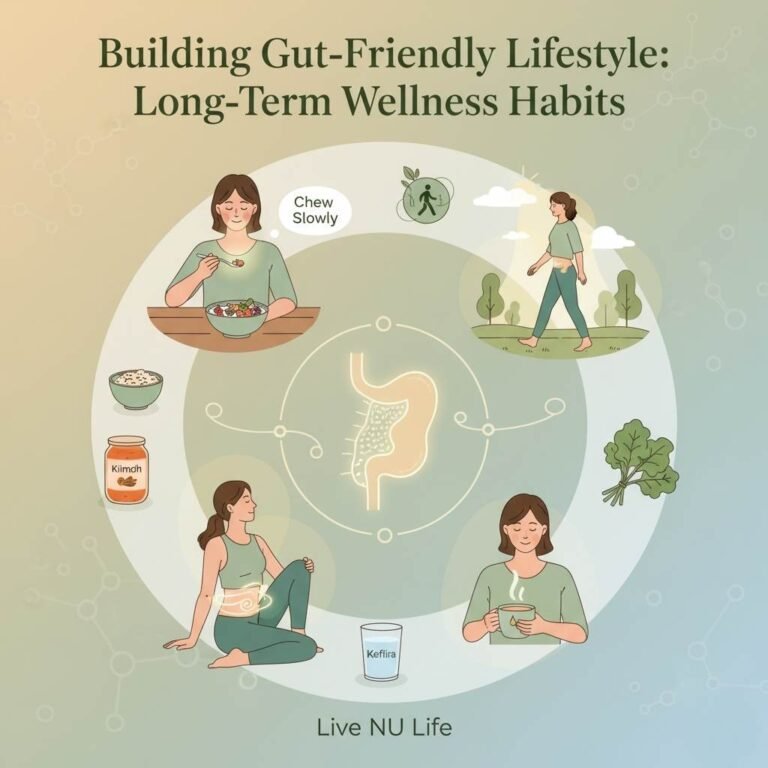
Building a Gut-Friendly Lifestyle: Long-Term Wellness Habits
Building a happy gut is not a quick fix. It’s a daily practice (like watering a plant). Small steps every day can build a stronger digestive system and calm body energy together.
Eat With Awareness
- Chew food slowly. Don’t rush. Gut likes patience.
- Add more fermented food (yogurt, homemade pickle, kefir). These feed healthy bacteria.
- Avoid reheated oily food and too much sugar. (They disturb the gut lining easily)
Move Your Body
- Walk at least 20 minutes after meals. Helps digestion run smoothly.
- Light stretching and twisting yoga poses support better bowel movement.
Manage Stress
- Stress breaks gut balance fast. Try breathing deeply for 5 minutes.
- Sleep early. Gut repair mostly happens at night.
Hydrate and Rest
- Keep a warm water bottle near. Sip often (not gulp).
- One day a week, eat light food only—it gives the gut a small rest.
FAQs – Gut Health and Microbiome Explained
- It is a big community of bacteria and microbes living inside the intestines.
- Some are good (they help digest food and protect from infections).
- Some are not so good, but balance is important.
- Eat fermented food like curd, kefir, and homemade pickles.
- Add fiber-rich fruits, oats, and vegetables.
- Drink warm water after waking (helps bowel move).
- Avoid too much sugar and fried snacks.
- The gut and the brain talk with each other through the vagus nerve.
- When gut is inflamed, stress hormone goes high.
- A healthy gut makes serotonin – the happy chemical.
- Overuse of antibiotics.
- Poor sleep, mental stress.
- Ultra-processed food and cold sugary drinks.
- Light changes show in 2–3 weeks.
- Deep repair (chronic issue) may take a few months.
- Be regular, not perfect (small daily care works better).
- Yes, if taken after the doctor’s advice.
- But food sources like yogurt and kimchi work more gently on the body.
Check out these related articles to expand your knowledge:
Build healthy routines with 10 Daily Habits to Extend Your Healthspan in 2025.
Learn proven methods in Science-Based Longevity Protocols for Optimal Aging.
Support vitality through Best Longevity Supplements: Evidence-Based Guide.
Unlock holistic rejuvenation with Anti-Aging Wellness: Your Complete 2025 Guide.
Strengthen your body at the cellular level with Cellular Health Optimization.
Relieve daily tension using 5 Natural Stress-Busting Techniques That Actually Work.
Discover balance with Stress Management Solutions.
Restore focus and peace through Digital Detox: Reclaim Your Mental Peace in 2025.
Calm your mind naturally with Natural Anxiety Relief: 7 Proven Remedies.
Begin mindful living with Mindfulness for Stress Relief: Complete Beginner Guide.
Nourish your body with Functional Nutrition: Eat for Optimal Health.
References
Appleton, J. (2018). The gut-brain axis: Influence of microbiota on mood and mental health. Integrative Medicine Research, 7(4), 341-353.
Bull, M. J., & Plummer, N. T. (2014). Part 1: The human gut microbiome in health and disease. Integrative Medicine Research, 3(1), 1-15.
Cleveland Clinic. (2022). What you should know about your gut health. Cleveland Clinic Health Library.
De Vos, W. M., Tilg, H., Van Hul, M., & Cani, P. D. (2022). Gut microbiome and health: Mechanistic insights. Gut, 71(5), 1020-1032.
Gardner, C D., Trepanowski, J. F., Del Gobbo, L. C., Hauser, M. E., Rigdon, J., Ioannidis, J. P. A., Desai, M., & King, A. C. (2018). Effect of low-fat vs low-carbohydrate diet on 12-month weight loss in overweight adults and the association with genotype pattern or insulin secretion. JAMA, 319(7), 667-679.
Gwak, M. G., & Chang, S. Y. (2021). Gut-brain connection: Microbiome, gut barrier, and environmental sensors. Immune Network, 21(3), e20.
Harvard T.H. Chan School of Public Health. (2024). Fiber and fermented foods may aid the microbiome, overall health. Harvard Health Publishing.
Hills Jr., R. D., Pontefract, B. A., Mishcon, H. R., Black, C. A., Sutton, S. C., & Theberge, C. R. (2019). Gut microbiome: Profound implications for diet and disease. Nutrients, 11(7), 1613.
Kashyap, P. C. (2025). Gut microbiome laboratory overview. Mayo Clinic Research.
Leeuwendaal, N. K., Stanton, C., O’Toole, P. W., & Beresford, T. P. (2022). Fermented foods, health, and the gut microbiome. Nutrients, 14(7), 1527.
Loh, J. S., Mak, W. Q., Tan, L. K. S., Ng, C. X., Chan, H. H., Yeow, S. H., Foo, R. S. Y., Murthy, S., Toh, S. T., & Chow, V. T. (2024). Microbiota–gut–brain axis and its therapeutic applications in neurodegenerative diseases. Signal Transduction and Targeted Therapy, 9, 37.
Mayo Clinic News Network. (2024). Mayo researchers develop a tool that measures the health of a person’s gut microbiome. Mayo Clinic News.