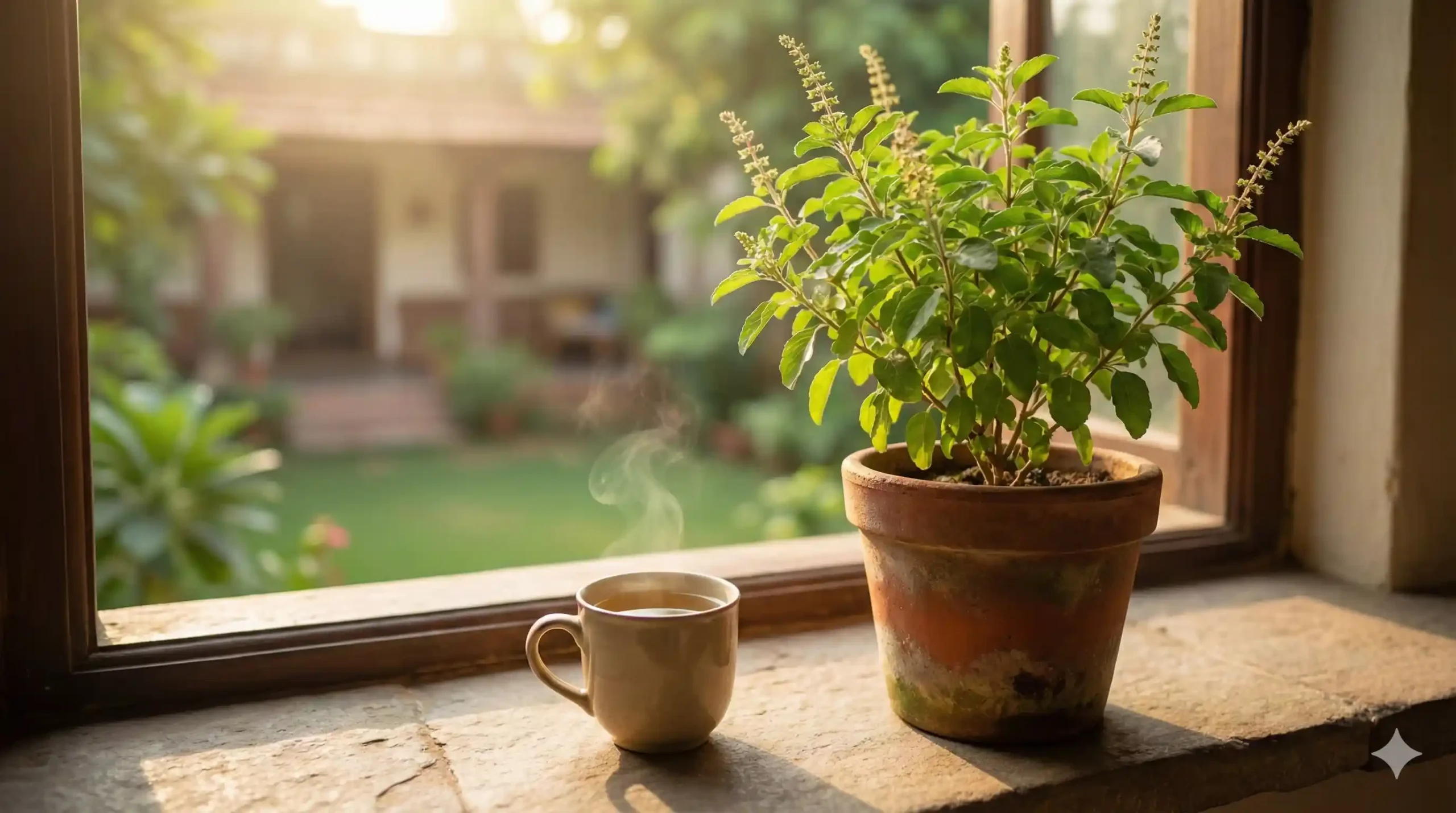
Tulsi, or Holy Basil, is one herb you see in almost every Indian home. People keep it near the window or courtyard, not only for worship but also for daily health use. You can see grandmother pouring water into it every morning, saying it keeps the air clean and the heart calm. Many still chew fresh leaves after a meal to cool the stomach or stop a cold.
Now think of this small plant as a home healer. It clears your mind, and its tea helps when throat pain starts. You don’t need a fancy supplement when Tulsi stands right in your pot. Just dry leaves, make an infusion, sip slowly. It works like a daily guard for the lungs and stress.
So when you start your day, touch its leaves once. (Do this with respect.) It reminds you to breathe simple, live clean, and trust natural things again.
What Is Tulsi – The Sacred Plant with Timeless Ayurvedic Roots
Tulsi Holy Basil is known as Ocimum sanctum in Ayurveda. It is not just a plant. It’s a sacred leaf worshipped in many Indian homes. You see it in courtyards, near temples, or even small pots on balconies. This herb cleans the air and purifies energy around you.
In Ayurvedic herbs, Tulsi is called the “Queen of Herbs.” It balances Kapha and Vata dosha. Use its fresh leaves for cough, cold, and minor throat infections. Boil it in water with honey and drink slowly. You can also chew two leaves daily (good for digestion).
This plant connects body and spirit. Ancient Indian traditional medicine believes Tulsi protects against disease and negative energy. Even science today finds antioxidants and anti-inflammatory properties in it. Treat it gently, water it daily, and it responds with a strong smell and fresh energy.
Historical and Spiritual Significance – Why Tulsi Is Worshipped in Every Indian Home
The Tulsi plant in Hinduism stands as the most sacred herb you will see in every Indian courtyard. It is not just a plant; it is a living part of Indian spirituality. People call it the home of Goddess Lakshmi and the consort of Lord Vishnu. So every morning, light a lamp near it and offer water. It purifies the house and the mind.
In old scriptures, Tulsi was used for medicine and prayer. Ancient Ayurveda called it “Queen of Herbs.” It cures cold, fever, and even heartburn. In village life, people use its leaves like a daily ritual—mix in water, apply on wounds, keep near the entrance for protection.
This worship started over 5000 years ago when nature itself was seen as divine. Even in Druk Yul cultural parallels (Bhutan), the same respect is given to herbs as spiritual protectors. You keep Tulsi because it teaches devotion, balance, and health together.
Health Benefits of Tulsi – From Immunity to Stress Relief
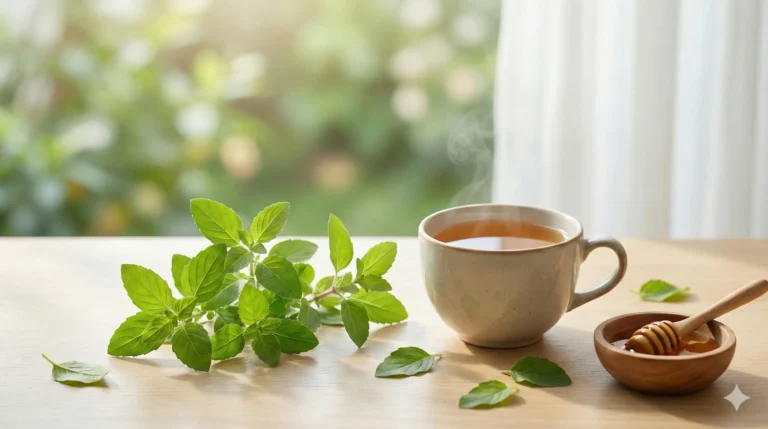
Tulsi’s benefits are amazing if you really use it daily. This holy basil plant works like one of the best adaptogenic herbs. It keeps the body strong, helps fight infections, and brings calm inside when the mind is too busy. I see many people using it just for tea, but it does much more.
Strengthen Immunity
Drink Tulsi water on morning empty stomach. It helps your body fight cold and flu. Like a small internal warrior working for you. Use fresh leaves if you can find them.
Control Stress Naturally
Tulsi, calm your nerves and help control cortisol (stress hormone). It acts slowly but surely. When you feel pressure in your chest or head, breathe near the Tulsi plant. Try it.
Respiratory Health
Tulsi leaf juice clears the airways and reduces cough. Mix with honey. You can feel your chest open and breathe easier.
Daily Routine Use
Add a few leaves to tea or chew raw. Do this simply, not fancy. Let plant energy do work.
Tulsi for Respiratory Health – Natural Remedy for Cough and Cold
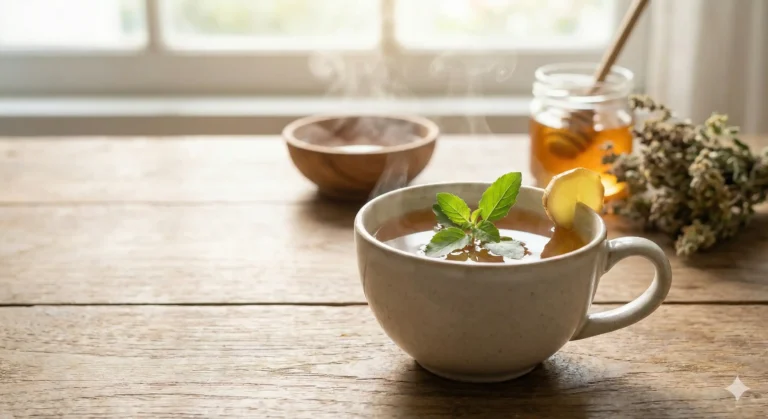
Tulsi tea benefits are known from the old Ayurveda for the lungs and throat. This leaf helps you when a cough comes often or a cold does not go away. It clears mucus and opens the air passage. Drink like you respect it, not just swallow. Tulsi is not only a herbal remedy, but it also builds your natural immunity.
How to Use Tulsi for Cough and Cold
- Boil 4–5 fresh Tulsi leaves in one cup of water till half is left.
- Add a little honey (only when the water is cool a bit, not hot).
- Sip warm. Take 2 times a day.
Tulsi Steam for Lungs
- Drop a few leaves in a hot water bowl.
- Cover your head and breathe in slowly.
- It loosens mucus and calms the throat.
Other Tips
- Mix Tulsi tea with ginger or clove.
- Avoid cold drinks that weaken the effect.

Anti-Inflammatory and Antioxidant Power – The Science Behind Holy Basil
Tulsi’s antioxidant power is known in Ayurvedic science for calming inflammation and cleaning body toxins. It smells fresh and gives clarity to the mind when you drink the tea or chew the leaf. This herb fights stress, supports immunity, and works deep in your system to balance energy.
Anti-Inflammatory Effect
- Start by adding a few tulsi leaves to warm water.
- Drink it morning and evening, it reduces swelling in the body.
- It acts like a natural shield, cooling the fire of inflammation.
Antioxidant Power
- These leaves fight free radicals (the small enemies of your cells).
- It protects skin and heart health.
- Use it daily like other anti-inflammatory herbs in your kitchen.
Healing in Ayurveda
- This plant is known as the queen of herbal healing.
- It balances both body heat and energy.
- Tulsi tea or oil is used for respiratory and digestive support.
Tulsi and Mental Health – Calming Mind and Reducing Anxiety
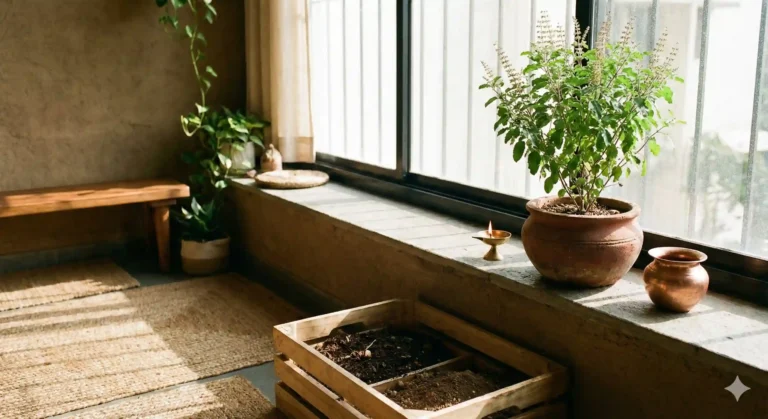
Tulsi for anxiety works like a gentle hand on restless thoughts. It calms your mind and balances your mood. When you use it daily, your nerves settle down (like cool wind touching the forehead). Tulsi acts as a natural stress relief that keeps your head light and heart calm.
Prepare Tulsi for Mind Peace
- Boil 4–5 tulsi leaves in one cup of water.
- Let it simmer for 5 minutes.
- Drink warm, not hot. It helps the body absorb calm energy.
Practice Calming Habit
- Sit quietly and take three deep breaths.
- Smell fresh tulsi leaf before sipping tea.
- Close your eyes, imagine washing your mind clean like a river.
Use It Daily
- Morning or evening both good.
- Keep the routine the same every day. It promotes steady mental wellness and the adaptogens’ effect.
Modern Uses – Tulsi in Herbal Supplements, Teas, and Skincare
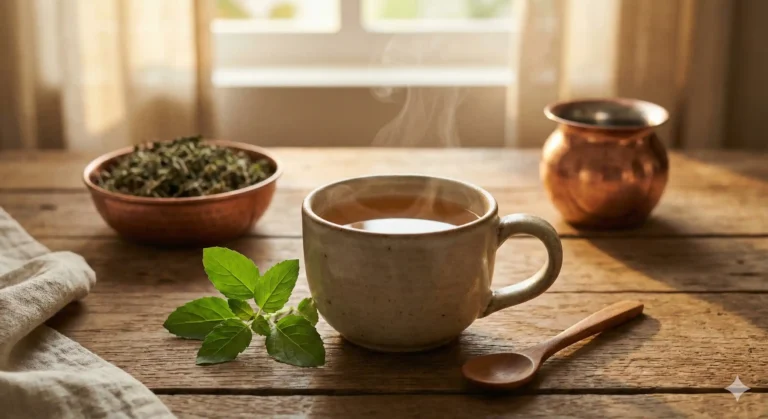
Tulsi extract is now used everywhere in organic wellness and herbal skincare. People trust Tulsi supplements for daily immunity and even stress control. This holy basil has become part of modern life again, but in a new form. You can drink, apply, or take it as a capsule depending on your body’s needs.
Tulsi in Herbal Supplements
Take Tulsi capsules once or twice daily. It helps to balance body energy and support your lungs and heart. If you’re tired often, this will recharge you (not instant but steady).
Tulsi in Texas
Brew Tulsi leaves with warm water. Add honey or lemon. It clears the chest, calms nerves, and improves mood like deep breathing in the morning air.
Tulsi in Skincare
Use a face pack or toner with Tulsi extract. It fights acne and dullness. Skin feels fresh, like washed by pure rain.
How to Use Tulsi Daily – From Home Remedies to Ayurvedic Rituals
Tulsi leaves have many uses and are deeply ingrained in our daily lives. This holy plant is more than an herb; it’s a daily medicine in Indian homes. You can use it simple way or include it in your Ayurvedic home tips for strong immunity and a calm mind.
For Morning Ritual
- Start with 3-4 fresh Tulsi leaves empty stomach. It clears toxins and wakes digestion.
- Boil leaves in water to prepare Tulsi water. It gives gentle warmth in the chest anyou d helps you breathe easily.
For Cold and Cough
- Crush leaves with honey. Take one spoon morning and night. It cools the throat and reduces cough.
- Make Tulsi tea. Add ginger small piece boostsoost the result.
For Herbal Lifestyle
- Keep Tulsi near the window. The air around becomes pure and peaceful.
- Offer water to Tulsi daily. It builds discipline and positive energy.
Scientific Research on Tulsi – Bridging Ancient Wisdom with Modern Evidence
Tulsi’s scientific studies now show what old Ayurveda already told — this plant has real healing power. In modern Ayurveda, it is not just a leaf or herb; it’s a small lab of plant-based medicine. Many clinical studies show how it supports the immune system, reduces stress, and fights infection.
How Science Supports Tulsi
- Researchers found the tulsi leaf contains eugenol and ursolic acid. These help calm infl, like natural pain balm.
- Clinical studies show regular tulsi tea improves metabolism and helps with blood sugar control.
- In lab tests, Tulsi fights bacteria like E. coli and Staph very strongly (like a shield for your system).
How You Can Use It
Drink tulsi water every morning, or chew fresh leaves. It works slowly but deep inside cells.
Growing Tulsi at Home – Care, Ritual, and Sustainability
Growing a Tulsi plant at home is simple and sacred. It gives a calm smell and keeps the air fresh. You should keep it in a clean place with good sunlight. Many people keep Tulsi near the window or the courtyard. It needs love and little patience, not fancy tools.
Tulsi Care and Growth wth
- Use a clay pot and good soil. Keep soil soft, not heavy.
- Water in the morning (not much water). Let the top layer dry before ore next.
- Give sunlight 5–6 hours. Move indoor herbs near the window if no balcony.
Daily Ritual and Respect
- Light a diya near Tulsi early morning. Offer water and prayer.
- Avoid touching it without washing your hands. It feels your energy.
Sustainable Gardening
- Take fallen seeds to a new pot. Let it grow again, not waste.
- Use natural compost and love—it keeps Tulsi strong.
Tulsi Tea and Detox – A Simple Way to Boost Daily Health
Tulsi tea benefits many parts of the body and mind. This herbal detox drink works gentle and deep, like cleaning dust from inside. You can drink it daily as Ayurvedic drinks for daily wellness and calm system. It helps reduce stress, balance digestion, and keep immune strong.
How to Make Tulsi Tea
- Boil one cup of water and add few fresh tulsi leaves (or one teaspoon dried).
- Let it simmer for 5–7 minutes, then strain.
- Drink warm, not too hot.
When to Drink
- Early morning on empty stomach.
- Or evening, after long work day, to cool body.
How It Detox
It clears liver and kidney waste slowly. Skin also glow because blood become cleaner.
Spiritual Connection – Tulsi as a Symbol of Purity and Protection
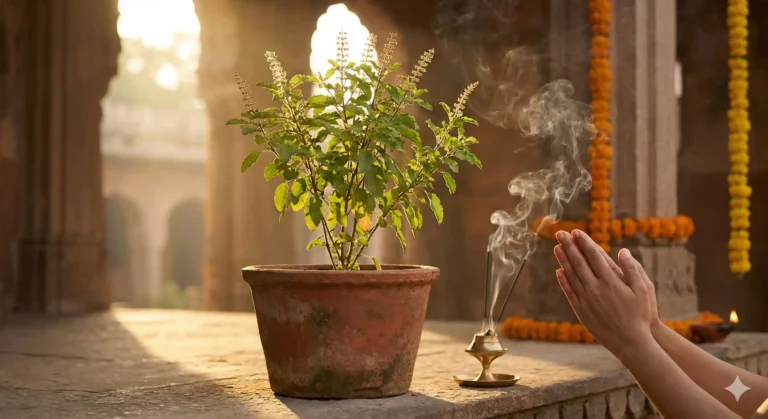
Tulsi, the sacred herb of India, is more than a plant. It is purity, devotion, and protection in one form. Tulsi in rituals always hold deep energy, and its leaves are part of many daily pujas and holistic healing practice in spiritual wellness.
Feel the Living Energy
- Stand near Tulsi plant in morning. Breathe slow and calm.
- Feel the air from its leaves touch your skin (it carry prana).
- Keep both palms open, like receiving a blessing.
Tulsi for Purity
- Use Tulsi water to wash face or sprinkle at home corners.
- It clean the energy, like sunlight clean the air.
Protection with Faith
- Place Tulsi leaf near heart before meditation.
- It protect the mind from heavy, unwanted thought.
Tulsi in Global Wellness – How the World Is Adopting This Indian Herb
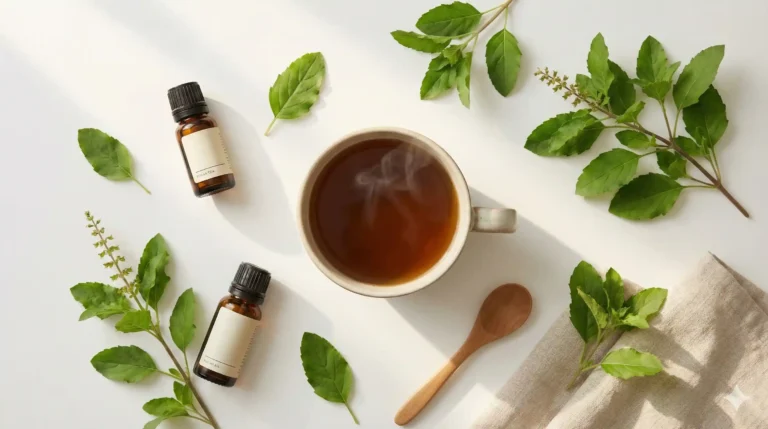
Holy Basil’s global popularity is rising fast. This small green herb once worshiped in Indian homes now standing inside wellness stores across America and Europe. People look for natural healing, and this is where Tulsi comes. It calms, purifies, and protect. You can grow it, drink it, or inhale it as oil. This herb is now part of herbs worldwide trend.
How the World Uses Tulsi
- As Tea – Boil a few leaves, drink daily morning. It’s cool, cool-minded, and balanced mood.
- As Oil – Rub gently on chest when cough or heartburn starts (like a balm feeling).
- In Meditation – Keep fresh leaves near you, inhale gently, it clear air and thoughts.
- In Food – Add leaves in soups or sauces, taste become sharp and earthy.
Possible Side Effects – When and How to Use Tulsi Safely
Tulsi precautions are important if you take it daily as home remedy. Many people use Tulsi for cough, immunity, or stress, but it also has some mild side effects if taken too much. You should know how and when to use Tulsi safely like any other herbal dosage in Ayurveda.
When to Use Tulsi
- Take early morning on empty stomach.
- Use only few fresh leaves or one spoon dried powder.
- Don’t mix with milk if you have cold.
Possible Side Effects
- Too much can drop blood sugar.
- Some people feel stomach upset.
- Pregnant women should avoid strong Tulsi tea.
Safe Ayurveda Practice
- Keep dosage small and steady.
- Always check your reaction first.
- Use pure Tulsi, not mixed capsules.
Final Reflection – Tulsi as the Bridge Between Spirituality and Science
Tulsi in modern Ayurveda shows how old wisdom and science finally meet. It works on the balance of nature and healing. You can feel it when you use it rightly. Not only an herb, but it is also like a living teacher for calmness and immunity.
Reflection – Tulsi the Bridge
- Spiritual side
Take Tulsi leaf with prayer in mind. This herb rise energy (like morning sun inside chest). Respect plant, and it give more than medicine. - Scientific side
Modern research show Tulsi fight bacteria and stress hormone. So it not only old belief, but tested truth too. - Living practice
You should grow Tulsi at home. Water daily and inhale its scent. It connects your breath and thought together.
Check out more related blogs
Understand how centuries-old principles align with today’s research in Ancient Wisdom Meets Modern Science: Ayurveda in 2025.
Discover the science-backed benefits of a top adaptogen in Ashwagandha Benefits.
Learn how this golden spice supports immunity and inflammation control in Turmeric Curcumin.
Frequently Asked Questions
It helps in cold, cough, stress and heart health. Many people chew fresh leaves in the morning on (empty stomach.
Yes, drink 1–2 cups. It calms your nerves and clean your breath. Too much may dry the throat, so keep a balance.
Rama, Krishna and Vana Tulsi are all good. A mix of three gives strong healing and a nice smell.
Does Tulsi help with skin glow?
Yes, it has a natural purifier effect. Apply a paste of crushed leaves and rose water.
It does this well. Smell the fresh leaves and breathe slowly, like calming your chest.
Use carefully. Ask your doctor first before daily use.
Antioxidant Properties – How Curcumin Fights Free Radicals
References
Bhattacharyya, D., Sur, T. K., Jana, U., & Debnath, P. K. (2008). Controlled programmed trial of Ocimum sanctum leaf on generalised anxiety disorders. Nepal Medical College Journal, 10(3), 176-179.
Cohen, M. M. (2014). Tulsi – Ocimum sanctum: A herb for all reasons. Journal of Ayurveda and Integrative Medicine, 5(4), 251-259.
Jagdale, S. G., Limaye, R. P., & Kulkarni, R. P. (2020). Effects of Ocimum sanctum in relieving anxiety: An experimental study. International Journal of Advanced Research, 7(9), 1003-1005.
Jamshidi, N., & Cohen, M. M. (2017). The clinical efficacy and safety of Tulsi in humans: A systematic review of the literature. Evidence-Based Complementary and Alternative Medicine, 2017, 9217567.
Jamshidi, N., & Cohen, M. M. (2018). Holybasil (tulsi) lowers fasting glucose and improves lipid profile in adults with metabolic disease: A meta-analysis of randomised clinical trials. Journal of Functional Foods, 47, 106-115.
Lopresti, A. L., Smith, S. J., Metse, A. P., & Drummond, P. D. (2022). A randomised, double-blind, placebo-controlled trial investigating the effects of an Ocimum tenuiflorum (Holy basil) extract on stress, mood, and sleep in adults experiencing stress. Frontiers in Nutrition, 9, 965130.
Muley, A., & Medithi, S. (2022). A quantitative literature analysis of the research on holy basil (Tulsi). Journal of Scientometric Research, 11(1), 30-36.
Pattanayak, P., Behera, P., Das, D., & Panda, S. K. (2010). Ocimum sanctum Linn. A reservoir plant for therapeutic applications: An overview. Pharmacognosy Reviews, 4(7), 95-105.
Prakash, J., & Gupta, S. K. (2005). Chemoprotective activity of Ocimum sanctum L. against cyclophosphamide-induced genotoxicity in mice. Phytotherapy Research, 19(8), 684-686.
Singh, N., Hoette, Y., & Miller, R. (2002). Tulsi: The mother medicine of nature. International Institute of Ayurveda Press.
Srivastava, A. K., & Singh, V. K. (2021). Tulsi (Ocimum sanctum): A potent adaptogen. Journal of Clinical Research Notes, 2(2), 037.