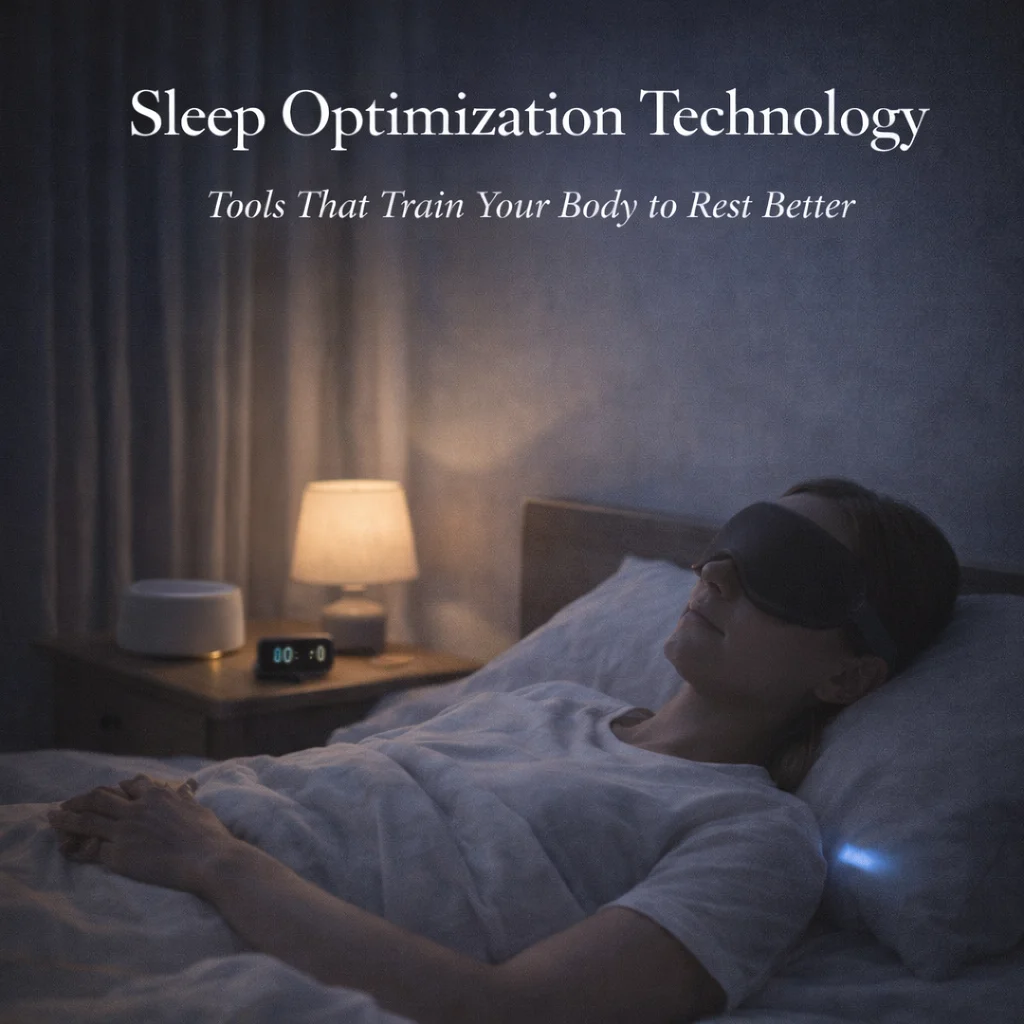
Many people today search for sleep optimisation technology because they are tired but can’t rest deeply. You lie in bed, eyes open, mind still running. Even after a long day, the body feels awake. This kind of sleep problem is now too common.
Start by thinking—how much light and sound stay around you at night? Phone blinking, fridge hum, maybe small traffic noise. These tiny things stop your brain from resting. New sleep gadgets try to fix that. Smart pillows track your breathing. Sleep masks block all light. Even apps now guide your breath and slow your thoughts (like a gentle coach whispering).
Use them not just for luxury, but for training your body again to rest. Technology can support you, not replace your natural rhythm. Try one tool at a time, then watch how your sleep starts to change, slowly but surely.
Table of Contents
ToggleWhy Sleep Optimisation Technology Matters in Modern Life
Sleep optimisation devices and apps have now become part of daily life. People search for smart watches, sleep trackers, or white noise machines because sleep problems are common. Modern life runs fast and is stressful. So the body forgets its natural rhythm. Technology here helps to fix that. It’s not magic, but it guides you—like a mirror showing what’s wrong in your rest pattern.
- Track Your Sleep
Check how many hours you truly sleep, not just how long you lie in bed. Use a sleep tracker or smartwatch. These show light sleep, deep sleep, and wake time. (It feels strange at first, but helpful later.)
- Adjust the Environment
Use sleep tech lamps or smart bulbs that dim slowly like sunset. Keepthe temperature cool. Use a sound machine if you live near a road or a noisy place.
- Learn from Data
Look at your weekly pattern. Notice when stress or caffeine disturbs it. Then fix one thing each week. Slow improvement works better than chasing perfection.
Smart Alarm Clocks – Waking Up at the Perfect Time
Smart alarms help you wake up at the right time in your sleep cycle, not when your body is still heavy. These smart alarm clocks use sleep cycle tracking and your circadian rhythm to sense when you are in light sleep. So, when it rings, you feel fresher and not dizzy.
How It Works
- The alarm tracks your sleep through small body movements (some use sensors in a phone or watch).
- It learns your natural rhythm and wake you when your body is ready.
- No sudden loud noise, just gentle tones or light that increase slowly.
How to Use It Right
- Keep the alarm near your bed (but not too close to your head).
- Go to bed at same time daily.
- Let it run few nights so it learn your pattern.
Why It Helps
You wake more calm, focus better, and your mood stay up whole day. It feel like body clock and alarm working together.
Wearable Sleep Trackers – Monitoring Your Nightly Patterns
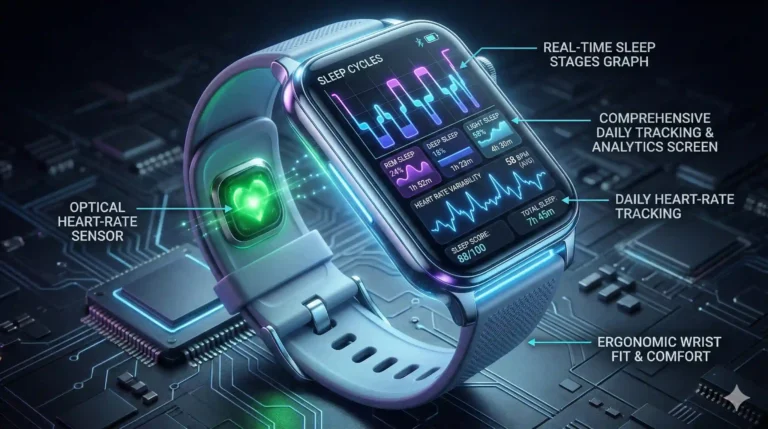
Sleep trackers in wearable devices are like small guardians sitting on your wrist. They record your movement, your heart rate, and even when you wake up at night. You can see your sleep analytics in the morning and know how deep or light your rest was. Use this tool to understand your body pattern and fix the poor habits (like late-night screen time). It not only track but also teach you how your lifestyle affect your sleep.
How to Use Wearable Sleep Trackers
Wear it Properly
Keep the band snug on wrist, not too tight. Make sure sensor touching skin.
Track Every Night
Wear it daily to get right sleep analytics. One-night data don’t tell truth.
Check Heart Rate Monitoring
See how heart behaves in sleep. If it stays high, body may be restless.
Learn from Data
Notice pattern. Sleep earlier next day if graph show less deep sleep.
Light Therapy Devices – Regulating Circadian Rhythms Naturally
Light therapy helps your body return to its natural sleep rhythm. Many people lose circadian alignment because of screen time and indoor living. A simple light therapy device can bring it back. It works by mimicking sunlight and guiding your brain when to wake and when to rest. You don’t need medicine for this, just consistent daily use.
How to Use Light Therapy Devices
Start in the Morning:
Sit near the light box right after waking. Keep it slightly to the side (not directly in eyes). Let it shine for 20–30 minutes.
Choose the Right Light:
Use a full-spectrum lamp or wake-up light. Avoid harsh blue light at night.
Regulate Evening Exposure:
Turn on blue light filter on phone and laptop before sleep. Dim house lights after sunset.
Stay Regular:
Do it daily. Like watering a plant, your rhythm grows stable only with routine.
White Noise and Sound Machines – Creating a Sleep-Inducing Environment
White noise machine is not just a gadget. It’s like a soft wall between you and all the outside noise that keeps you awake. Many people use ambient sounds for sleep now because it helps calm the mind fast. When you listen, your brain stop chasing random thoughts. It starts to follow the rhythm of sound instead. That’s how sleep sound technology works—simple, not magic.
Choose Your Sound
Pick something steady. Fan sound, ocean wave, soft rain. Avoid sudden beats or music with lyrics (it keeps mind busy).
Set the Volume
Keep it low, like someone whispering far. Too loud, and your brain stay alert instead of resting.
Make a Routine
Turn it on before lying down. Do it every night. The body learns—this sound means sleep now.
Combine with Environment
Dark room, cool air, no phone light. Let sound fill the silence, like a soft blanket around your head.
Smart Mattresses and Sleep Surfaces – Comfort Meets Technology
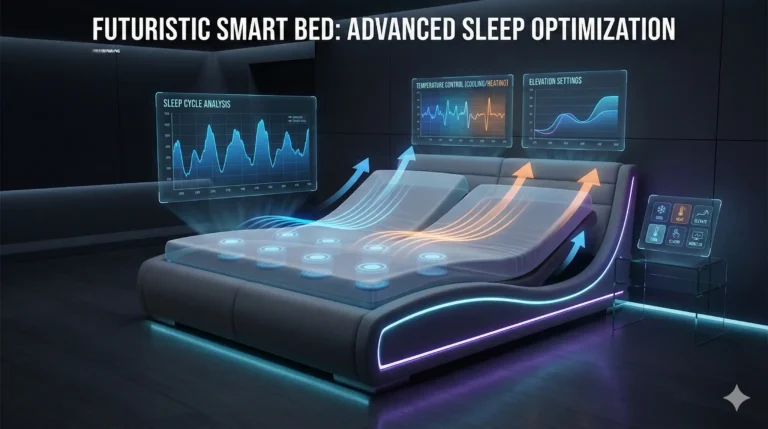
Smart beds are not just beds now. They think a little. They feel your body and adjust themselves. A good smart mattress helps you sleep deeper, manage temperature, and reduce body pressure. Some even track your sleep pattern, like a quiet helper watching over your rest. You just lie down and let it do its work.
Temperature Regulation
Too hot or too cold? The bed senses it. It changes surface temperature to keep you steady all night. No more waking in sweat or chills.
Memory Foam Feel
It molds like soft clay around you. Supports spine and joints. (Good for back pain users.)
Adjustable Mattresses
Lift head or legs anytime. Use remote or app. It moves smooth, like floating on water.
Apps for Sleep Meditation and Mindfulness
Sleep meditation apps help calm your mind when you can’t fall asleep. Many people use guided relaxation before bed to stop overthinking. You should try these tools too if your brain keep running at night. These apps are easy to use and give you peaceful sounds, slow breathing guides, and voice sessions that make you drift like a soft wave.
- Calm
Use this app for daily mindfulness for sleep. It plays gentle stories and relaxing music.
- Headspace
Focus on guided relaxation here. Follow the voice—breathe slow, drop your shoulders, and let go.
- Insight Timer
Good if you like variety. Many free sleep meditation sessions (some short, some long).
- Sleepiest
Soothing sounds and bedtime tales—like a friend reading softly till you sleep.
Aromatherapy and Tech-Enhanced Diffusers for Restful Nights
Aromatherapy with essential oil diffusers now mix with modern relaxation technology to help you sleep better. You don’t need big setup. Just calm space, steady breath, and scent that remind body to slow down. These tools not only spread sleep-inducing scents, but also balance humidity and mood light (this small detail help brain relax).
Choose the Right Diffuser
Pick one that run quiet. Ultrasonic diffusers are best for night. Avoid strong mist if your nose dry fast.
Pick the Scent for Rest
Use lavender, chamomile, or sandalwood. These tell your body—“it’s time to rest.”
Set the Scene
Turn off bright light. Let the soft mist move like fog after rain. Breathe slow, and let sleep come easy.
Mobile Apps for Sleep Analysis and Improvement
Sleep tracking apps help you understand how you really sleep at night. These apps record your movements, breathing, and REM cycle tracking while you rest. You get personalized sleep insights in the morning. So you can see if you sleep light, deep, or wake too much. Then fix habits slowly. Keep phone near pillow (not under it).
Sleep Cycle
This app listen to your breathing and wake you in light sleep. It make morning less heavy.
Pillow
Use it with iPhone or Apple Watch. It show sleep score and heart rate trend.
SleepScore
It track your sleep stages with sound and motion. Good for people who want gentle improvement.
Oura
Ring type tracker. It check body temperature, stress, and recovery like a coach.
Integrating AI and Smart Home Devices to Optimize Sleep
Smart home sleep tech now change how we rest. It use sensors, AI for rest, and bedroom automation to make your body and mind relax better. You don’t need to guess what’s wrong with your sleep anymore. The devices do that for you.
- Set Smart Lighting
Make lights dim slowly at night (like sunset coming inside your room). It tell your body it’s time to calm down.
- Control Temperature
Use AI thermostat. Keep room cool at night, warm in morning. It copy natural rhythm.
- Track Sleep Patterns
Let AI watch your breathing and movement. Then it adjust sound or air speed quietly.
- Sync All Devices
Connect your bed, lights, and air purifier together. One command, and your whole room prepare for rest.
Sleep Coaching and Personalized Sleep Plans
Sleep optimization programs now become common because people can’t rest properly even after long hours in bed. A good sleep coaching app or plan helps to fix that. It checks your habits, timing, and stress, then builds a personalized sleep schedule that truly fits your body rhythm. It’s not magic—it’s training for your brain and body to rest again.
How Sleep Coaching Works
Start by tracking your nights. Note how often you wake, what time you sleep. Then, the coach (or app) studies it and adjusts your bedtime slowly, not all at once.
Personalized Sleep Plans
These plans teach you how to relax before bed—like lowering lights, breathing deeper, avoiding screens (yes, that one matters). It’s like teaching your body to remember sleep again.
Energy and Productivity Benefits from Optimized Sleep
Sleep directly affect your improved focus and daytime energy. When you sleep right, brain clears toxins and recharge system. It restore memory and improve cognitive performance too. Many people ignore this but it is real foundation of daily energy. So, fix your sleep and you will feel like body battery full again.
Set a Consistent Time
Go to bed same time daily. Don’t change often (body clock hate confusion).
Keep Room Cool and Dark
Dark room make melatonin work better. Cool air calm your mind.
Avoid Screen Before Sleep
Light from phone stop brain from resting. Keep it away 1 hour before.
Stretch or Breathe
Do slow stretch, or just breathe deep 5 times. Like deflating balloon—let tension out.
Scientific Research Behind Sleep Technology
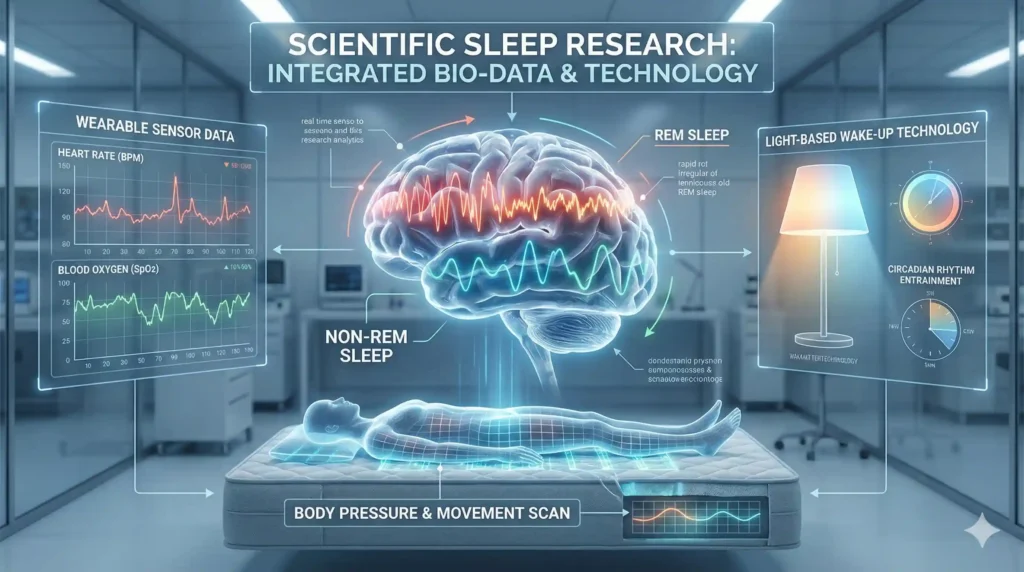
Sleep studies and clinical research on sleep tech now changing how we rest. Many scientists study how our brain waves shift during deep sleep and how devices like smart mattresses or light-based alarms help control it. Technology for rest not just for comfort—it fix rhythm and repair body.
Understand the Science
Your sleep cycle runs in waves. Learn how sensors track REM and non-REM. It show if your body enter true recovery mode or not.
Try Smart Tools
Use wearable bands that read pulse and oxygen. It teach you how stress delay sleep. (Many people skip this but it matter.)
Build Your Routine
Don’t chase gadgets only. Mix them with fixed sleep time, calm breath, and no screen light before bed.
Tips for Combining Multiple Tools for Maximum Sleep Benefits
Good sleep routine needs both discipline and the right support tools. Many people now use tech-assisted sleep gadgets, but only few know how to mix them properly. You can build holistic sleep solutions if you combine tools with your body’s own rhythm. Try it simple, not complicated.
- Start with a Core Routine
Fix one bedtime and wake-up time. Use alarm only for morning, not for night (let body feel tired naturally).
- Use Devices with Purpose
Use white noise or breathing app before bed. Don’t keep screen near face. Keep brightness low like candle light.
- Blend Mind and Machine
Try meditation band or sleep tracker. Watch pattern, then adjust habit. Work with tech, not depend on it fully.
Future of Sleep Optimization Technology
Sleep routine is changing fast with new tech-assisted sleep tools coming every year. Smart mattresses now track breathing and body heat. Some adjust firmness when you move, so you stay in deeper rest.
Use wearable bands or small sensors near pillow. They read heart rhythm and noise levels. When it sense stress, it start soft sounds or light breathing guide. It works like someone calming you down slowly.
Holistic sleep solutions also grow. Combine old habits like dark room and steady bedtime with smart tech. Don’t rely only on gadget. Try mix—warm shower, breathing app, and steady wake-up alarm.
The future of sleep will be quiet but smart, working under blanket like a silent helper.
Discover the healing power of a sacred herb in Tulsi (Holy Basil).
Boost your vitality with a balanced start to the day in Ayurvedic Morning Routine for Energy.
Frequently Asked Questions
- Dim lights like a slow dimmer, then keep same time nightly.
- Stop screens 60–90 min, or set blue‑light filter and grayscale.
- Use a simple tracker for trends, not perfection; check weekly, not hourly.
- Use a sunset lamp, white‑noise app, or smart plug for lamps.
- Try 4‑7‑8: inhale 4, hold 7, exhale 8, like letting air out of a balloon.
- Or box 4‑4‑4‑4; drop shoulders like a rag doll.
- Keep 17–20°C, dark, quiet; automate with smart thermostat and shades.
- Put phone far; set Do Not Disturb; use an alarm clock (if possible).
- Stay low light; breathe; write one worry on paper, then back to bed.
- If 20 min pass, read a dull page, no doom‑scroll.
- Combine: light, breath, movement; short morning sun, 10–15 min.
- Move daily; no heavy late meals; caffeine stop 8 hours before bed.