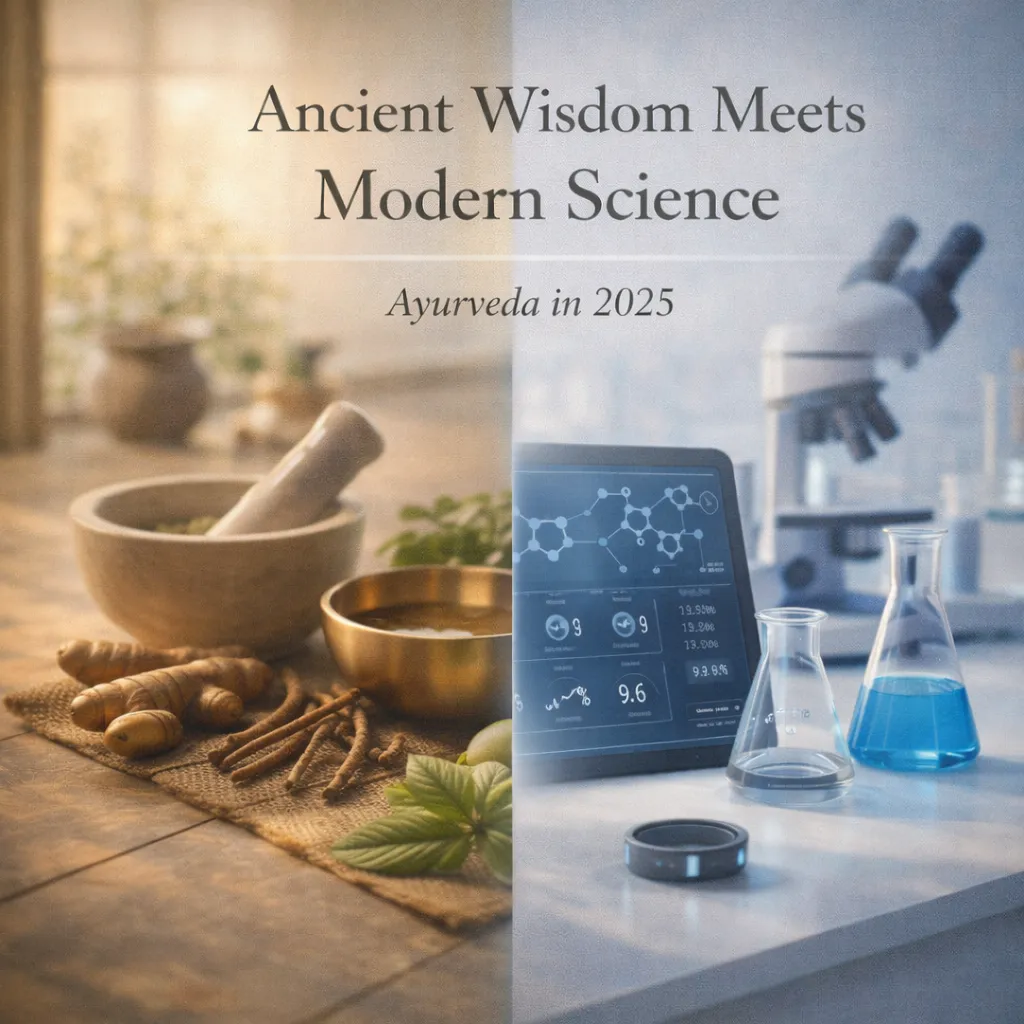
Ayurveda is not new. It is older than most medicine you know today. The root of it come from India more than 3000 years back, when sages watched how nature heal itself. They used herbs, oils, and food not just for cure, but to balance you (body, mind, spirit all one). In those time, there was no lab, only wisdom and long observation.
Now in 2025, science look again at this old system. Doctors study turmeric and ashwagandha like they are new drugs (but they are not). You see Ayurveda words everywhere now — gut health, dosha test, detox oil, all sound old but new again. Modern lab makes the same things in capsule form, but the base is still same earth medicine. You should see how both worlds meet now — ancient knowledge and modern data working together (slowly but surely).
Table of Contents
ToggleAyurveda – The Timeless Science of Life and Balance
Ayurveda is not just medicine. It is a way of living. The word come from two Sanskrit words – “Ayur” means life, and “Veda” means knowledge or science. So it means the science of life itself. It teach you how to live in balance with body, mind, and nature.
This ancient system started in India thousands years ago. Ayurveda look at body as made of three energies called dosha – Vata, Pitta, and Kapha. Every person has different mix (some more air, some more heat, some more water and earth). That decide your energy type and your health problems too.
If you wake up tired or digestion is weak, Ayurveda say your dosha out of balance. You should correct it with food, herbs, massage oil, and routine. It is slow healing work, but deep. Like tuning instrument every day so the sound stay right.
How Modern Research is Validating Ancient Ayurvedic Principles
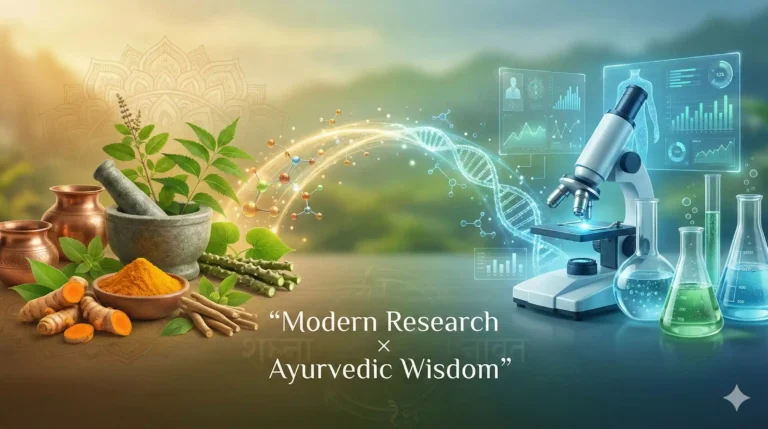
Modern research now start to open eyes toward Ayurveda again. For long time people call it old or unscientific, but now scientists test herbs, diets, and detox ways that rishis already spoke thousands year ago. You can see labs confirming what grandmothers knew from experience—how turmeric, tulsi, or ashwagandha actually balance the body and mind.
How Modern Research is Validating Ancient Ayurvedic Principles
- Herbs and immunity
Studies now show herbs like giloy and neem increase body resistance (you can see it in many immunity boosting formulas now). Researchers find their antioxidant and anti-inflammatory effect real, not myth. - Gut and digestion balance
Ayurveda says “agni” or digestive fire decide your health. Science call it gut microbiome now. Researchers found same link—poor digestion affect everything from mood to skin. - Mind and body connection
Meditation, pranayama, and oil massage—these calm the nervous system. MRI scans now prove such practices reduce cortisol and improve mental clarity. - Detox and rhythm
Ayurvedic panchakarma look like spa to new people, but scientists found it remove heavy metals and improve liver enzymes. It prove cleansing body rhythm actually help cell’s repair.
From Herbs to Molecules – The Scientific Study of Ayurvedic Medicines
Ayurveda once was only about herbs, roots, and powders. Now science go deeper—down to molecules. In labs, researchers try to find what each herb really do to your body. You see, when you take ashwagandha or turmeric, it not only balance doshas, it also influence cells, enzymes, and immune power. So the science is trying to connect the old way with new proven tests.
From Herbs to Molecules – The Scientific Study of Ayurvedic Medicines
Start with Herb Identification
Pick real herb. Not imitation. (like Tulsi leaf, not powdered capsule first). Learn its energy—hot, cold, or neutral.
Now Move to Extraction
Scientists take active molecules from herb. For turmeric, it is curcumin (yellow color part). They test its anti-inflammatory power.
Then Go to Molecular Pathway
These molecules act in your cells—reducing stress hormones, balancing blood sugar, or fighting bacterial growth.
Final Step – Modern Proof
So Ayurveda and molecular science walk together now. You should see this as both old wisdom and modern chemistry joining hands.
Integrative Healthcare – When Ayurveda Meets Modern Medicine

Integrative healthcare now become more real in 2025. Many people don’t want only pills or only herbs anymore. They want mix. Ayurveda with modern medicine can work like two hands of same body—one heal from root, another manage fast relief. If you feel tired, digestion weak, stress not going, this approach help much.
How Ayurveda Meet Modern Medicine
- Start from diagnosis. Let doctor check your full condition. Then see Ayurvedic expert (they look more inside body type—vata, pitta, kapha). Both share reports.
- Balance treatment. If antibiotics given, use ghee, turmeric or triphala to protect gut. It’s not against each other—it support each other.
- Mind and body both. Modern part focus on organs, Ayurveda part on energy and digestion (agni). Combine yoga breathing and prescribed medicine.
- Lifestyle correction. Sleep on time, drink warm water, eat fresh food. Medicine work better then.
Technology in Ayurveda – AI, Genomics, and Personalized Healing
Technology and Ayurveda sound far apart, but now they work together. AI and genomics help doctors and healers read your body better. Ayurveda was always personal, but now science give tools to make it even sharper. You can know what your genes say about your digestion, sleep, even herbs that fit you like a custom-made plan. This is where new healing come alive.
AI in Ayurveda
- Use AI tools to read your dosha pattern (Vata, Pitta, Kapha mix).
- It predict imbalance faster than old pulse reading.
- You can use apps that track your daily body signals, food, tongue color, and even skin tone (small camera scanning works like nadi-pariksha now).
- It help you record progress and suggest food or herbs automatically.
Genomics in Ayurvedic Healing
- Genomics mean knowing your DNA type (like modern prakriti chart).
- It show what herbs your body digest better.
- You can find if turmeric or amla work best for inflammation.
- So, you take treatment not by guess but by your real body map.
Personalized Healing Future
- Soon, every patient will get plan based on genes, habits, mind type, even living place.
- Machines do analysis, but final healing still in your daily living (food, thoughts, breath).
- This is not replacing Ayurveda, it only make it more exact and faster to heal.
Global Acceptance – How the World is Turning Toward Ayurveda
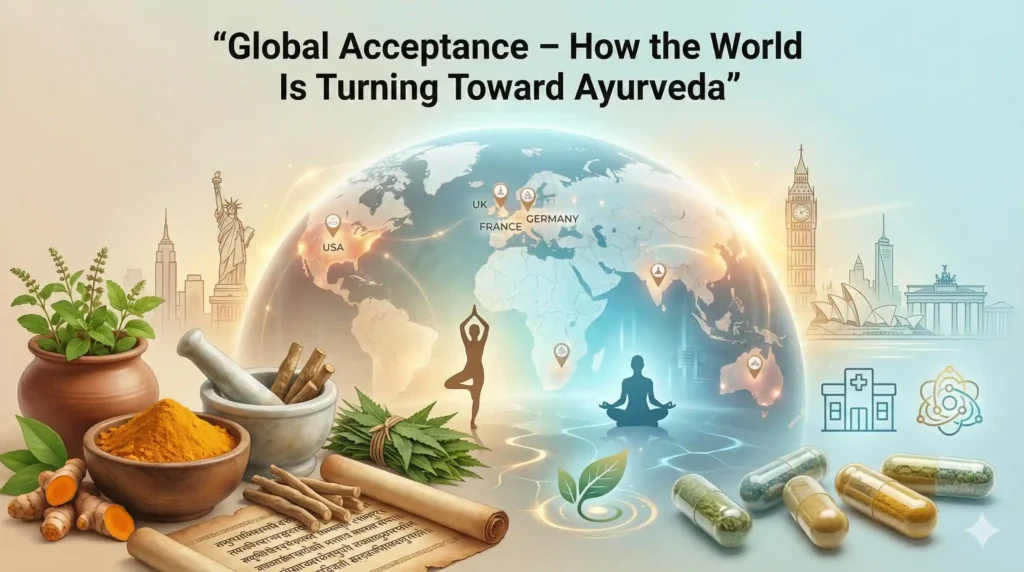
Ayurveda is not just staying in India anymore. You see this ancient healing system spreading across continents now, and people everywhere are discovering what Indians knew for thousands of years. From Hollywood celebrities to European wellness centers, everyone is talking about doshas, herbs, and natural healing. This shift is happening because modern medicine, while good, sometimes miss the whole picture of health.
Why Western Countries Accept Ayurveda Now
People in America and Europe are tired of just treating symptoms. They want to understand their body type (your prakriti, as we call it). When you know if you are vata, pitta, or kapha dominant, you can eat right foods and live better.
Modern research is also proving what our grandmothers knew. Turmeric for inflammation, ashwagandha for stress – science is backing up these remedies now.
Integration in Healthcare Systems
Many hospitals in Germany and Netherlands now offer Ayurvedic consultations alongside regular medicine. You can find certified Ayurvedic doctors in major cities like London, New York, and Sydney.
Even medical schools are teaching about holistic approaches. This kind of integration help patients get complete care, not just quick fixes.
Ayurveda and Mental Health – Mind-Body Connection in Focus
Ayurveda always see mind and body not as two. They talk with each other all time. When your thoughts get heavy, your stomach feel tight. When digestion stays weak, mood goes down. This is that wheel of mind-body you must balance. I have seen it in many people—simple breath and food change start healing fast.
Balance the Dosha (Mind and Body Link)
- Know your dosha type — Vata, Pitta, or Kapha.
- If mind is restless, that is often Vata high (too much air inside). Warm oil massage helps.
- If anger stay high, Pitta burns digestion (cooling herbs like brahmi, aloe work well).
- Heavy dull mood? Kapha type stuck. Move body early morning and take light food.
Daily Practice for Calmness
- Wake before sunrise (good time for mind clarity).
- Sit quiet 10 minutes. Watch breath.
- Eat food that matches your current emotion (warm for anxiety, cool for anger).
- Sleep early; the moon help calm heart fire.
Sustainable Living – Ayurvedic Lifestyle for the Modern World

Now life move very fast, and we forget simple things that keep us in balance. Ayurvedic lifestyle bring back that connection (between body and nature). It not about old rules only. It fit in modern time also if you do it with small mindful habits every day.
Start Morning Right
- Wake before sunrise (if possible). Feel the calm air, it clean your thoughts.
- Drink warm water with lemon or little honey. It wake up liver and stomach.
- Rub sesame oil on your body before bath—like armor for skin in pollution.
Eat with Rhythm
- Eat local, seasonal food. Don’t mix heavy foods like milk and salt together.
- Avoid reheated meals. They lose prana (life energy).
- Sit down when eating. No phones. Chew slowly.
Balance Work and Rest
- After sunset, avoid too much screen. Let eyes rest.
- Meditate or sit quiet 10 minutes (just breathe).
- Sleep on time. Mind heal in night, not in scrolling.
The Future of Healing – Harmony Between Science and Spirituality
The future of healing is not just chemistry and machines. It’s spirit and science standing together. People now start to believe that medicine should heal the body and also calm the soul. When you understand that emotions also shape your health, you stop fighting illness like an enemy and start balancing it like energy.
The Future of Healing – Harmony Between Science and Spirituality
- Understand the New Healing Path
Science now study how meditation change brain waves and heart rhythm. Try daily breath focus (just 5 minutes morning). It calm nerves and make hormones stable. Doctors begin to mix energy therapy with modern treatment too. - Use Technology With Inner Energy
Wear health tracker but listen inside also. Feel your heartbeat and breath, not only screen numbers. The machine guide you but body whisper truth. - Practice Body-Spirit Connection
Lay still and feel as if light move inside (simple qigong style). So when you take medicine, it work deeper. Healing come faster when both sides – science and soul – walk together.
Frequently Asked Questions
- Think of it like a body map made by ancient India.
- Now science studies it with modern tools (AI scans, gut microbiome tests).
- It help to balance doshas same as balancing hormones and mental stress.
- Some part, yes. (Curcumin, ashwagandha studied deeply.)
- Other part still under check, like pranic energy or marma points.
- Do it carefully. Always tell your doctor.
- Many hospitals in 2025 already mix both (called integrative medicine units).
- Warm, seasonal, easy to digest.
- Less fast food, more ghee, lentil, turmeric.
- Yes, very. Breathing, oil massage, and herbs calm mind like meditation itself.
- Because people now want natural healing, not only pills.
- Ayurveda teach balance, not just cure.
Check out these related articles
Learn How Your Microbiome Controls Health in this comprehensive guide:
Gut Health RevolutionDiscover how to tailor your diet with Personalized Nutrition Based on Your Gut Bacteria.
Understand imbalance signs with Microbiome Dysbiosis: Signs, Causes & Natural Solutions.
References
Harvard Health Publishing. (2024, March 21). Turmeric benefits: A look at the evidence. Harvard Health Blog.
Ministry of Ayush, Government of India. (2025, May 24). India partners with WHO to mainstream Ayush globally through landmark agreement on traditional medicine interventions. Press Information Bureau.
National Institutes of Health Office of Dietary Supplements. (2025, October 30). Ashwagandha: Is it helpful for stress, anxiety, or sleep? NIH Fact Sheets.
Times of India. (2025, September 3). Ayurveda in the lab: Ancient wisdom meets modern scientific exploration. Times of India Health News.
World Health Organization. (2022, March 24). WHO establishes the Global Centre for Traditional Medicine in India. WHO News.
World Health Organization. (2025, June 2). WHA78: Traditional medicine takes centre stage. WHO News.