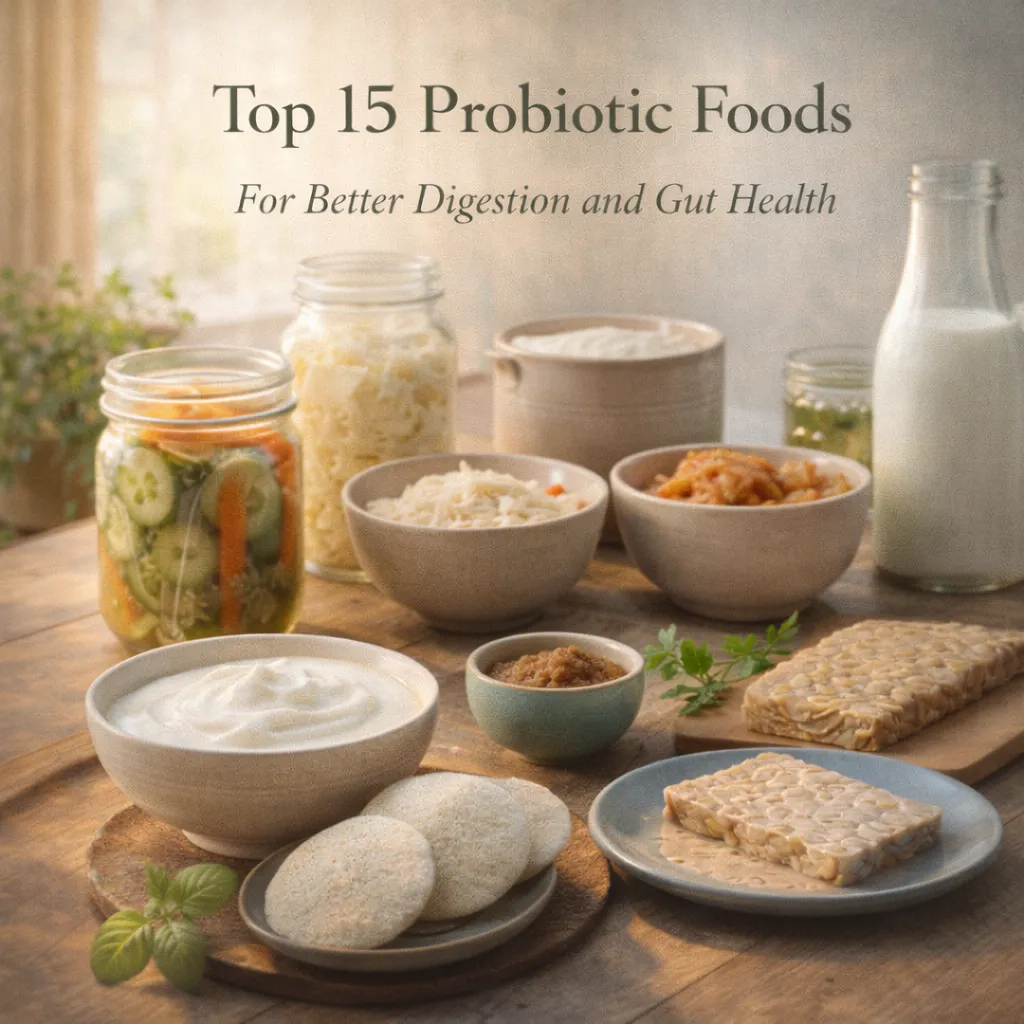
Digestive system acts like your inner garden. It grows well only when right bacteria live inside. These are probiotics. They are tiny living helpers that keep everything moving smooth and clean. When probiotics go low, stomach feels heavy, gas starts, or food sits too long.
Probiotic foods help restore balance (like planting good seeds again). They keep gut walls strong and fight the bad germs. It also improve mood and skin because the gut talks to brain and body all the time. If you feel tired after meal or have bloating often, that’s your sign—your gut need care.
Start learning about natural probiotic foods, not pills first. Eat them daily and see how digestion act calmer. Less acid, better poop, lighter body. It’s a slow change but works deeply. Your stomach will thank you after few weeks of patience and right food habits.
So let’s see those 15 probiotic foods that can solve all your digestive problems.
No. 1 Yogurt – The Most Common and Accessible Probiotic Food
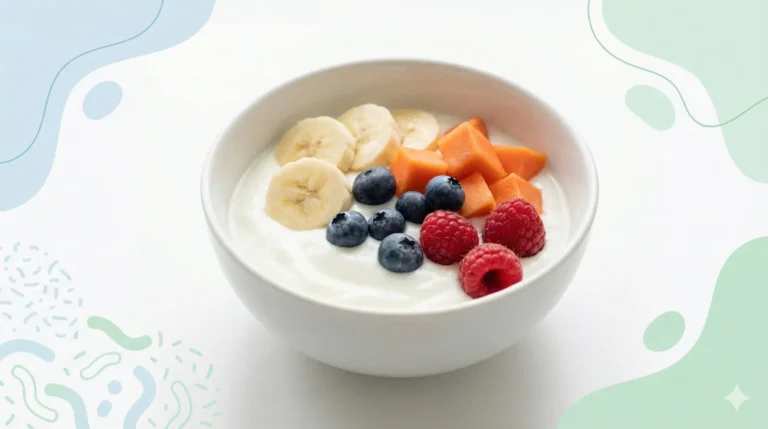
Yogurt is one of the most easiest ways to care your gut. You can eat it anytime. Morning or evening, it still works good. It cools the stomach and add good bacteria (they help in digestion).
Why Yogurt is Good
- It carry live cultures (called probiotics) that balance gut flora.
- It calm stomach after spicy food or antibiotics.
- It support skin glow and reduce acne from inside (yes, gut health shows on face).
How to Eat
- Take one bowl plain yogurt daily.
- Mix with fruit like banana or papaya.
- Avoid too cold one if you have sore throat or heart burnt.
No. 2 Kefir – A Fermented Milk Drink Rich in Diverse Bacteria
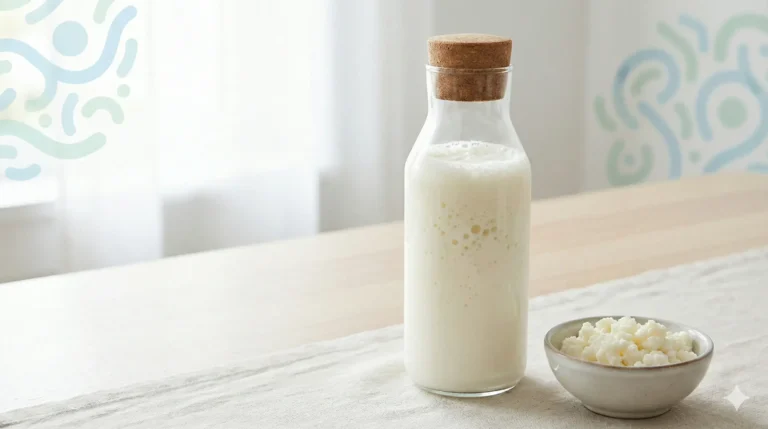
Kefir feel alive even before you drink it. It’s like yogurt but wilder, full of good bacteria. Drink it daily and you will feel gut more calm and skin a bit clear too. Many call it a natural probiotic shot for home use.
What Kefir Do to Your Body
- Clean your gut (it fight bad bacteria inside intestines)
- Help with digestion and bloating issues
- Give small energy lift, especially morning time
How to Make Simple Kefir
- Take milk (any fresh one work)
- Add kefir grains (like tiny cauliflower bits)
- Leave covered for 24 hours at room temperature
- Strain it, drink cold or keep for later.
No. 3 Sauerkraut – Fermented Cabbage That Supports Gut Balance
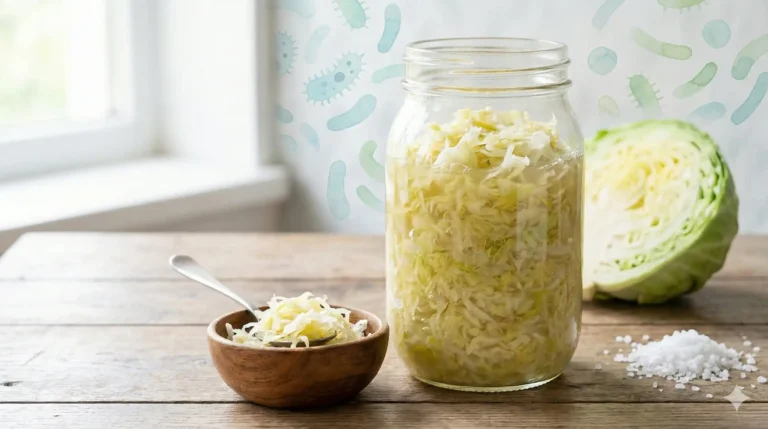
Sauerkraut is not just sour cabbage. It’s alive food for your belly. When you eat a spoon daily, it feed good bacteria inside your gut. It feel strange first (like tangy pickle), but your body love it later.
How to Make Sauerkraut at Home
- Chop cabbage thin, put in big bowl.
- Add salt (1 spoon per half kg). Rub it with hands till juice come out.
- Press this cabbage down in jar (juice should cover it fully).
- Keep it in dark corner for few days. Check daily. Don’t let it dry.
Why Sauerkraut Good for You
- Balance gut health and reduce bloating.
- Help body absorb vitamins better.
- Give natural energy, not heavy feeling after meal.
No. 4 Kimchi – A Spicy Korean Dish Loaded with Beneficial Bacteria
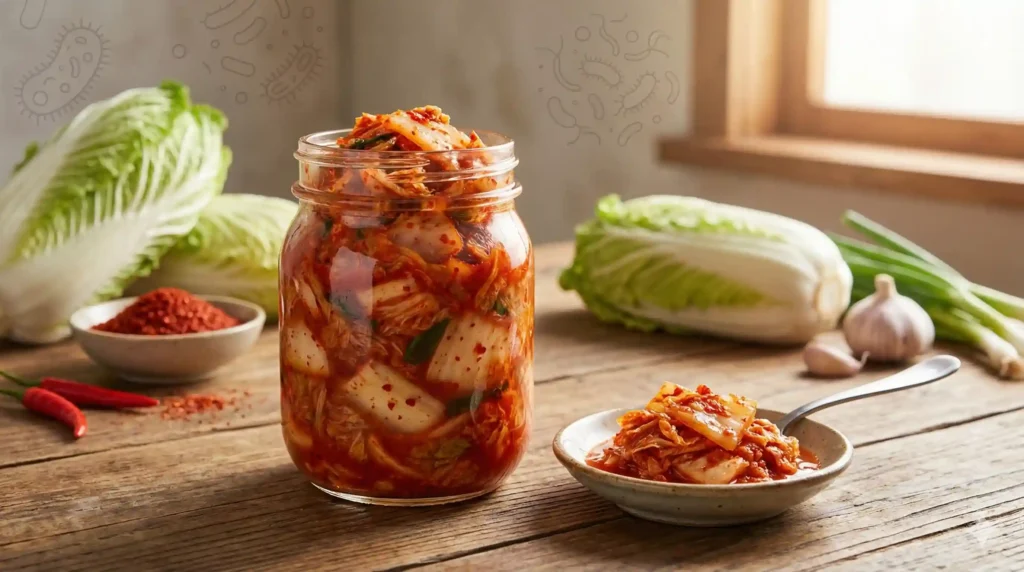
Kimchi wakes up your tongue quick, then fixes your belly from inside. It is a Korean spicy food with crunch, tang, and lots of gut-friendly bacteria (it even help digestion, fight heart burnt sometimes). Eat it with rice, just a small spoon at first if not used to spikes of chili.
How to Eat Kimchi (Simple Way)
- Take out a small dish (you do not need big bowl).
- Put kimchi from jar (juice too; do not waste that).
- Try a bite with rice, with noodle, or plain. Taste first.
- Do not cook much or you spoil the bacteria (if you want those).
- Eat cold from fridge, or leave room temp for 10 min (the sour goes up then.)
- If heart burnt, drink water after.
- Try mixing with eggs, soups, or in sandwiches (really works).
No. 5 Miso – Traditional Japanese Paste That Boosts Gut Flora
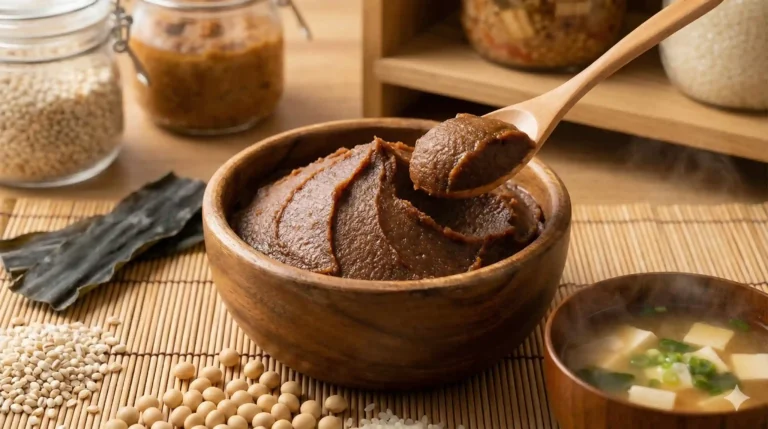
Discover this — miso, a live Japanese paste, make your gut culture happy. You spoon it and boost your belly crowd (good bacteria). Took years to ferment. Taste is salty and full, like deep earth. You mix it in soup or even smear on toast (try with veggie). Now, use miso for more than soup, trust me, your digestion thank you.
What is Miso?
- Fermented soy paste. (Some use rice or barley.)
- Full of live probiotics. (This help your guts — think like soldiers protect.)
- Smells strong, tastes salty-savoury.
- Good source minerals and vitamins.
How to Use Miso?
- Stir in hot (not boiling) water for easy soup.
- Use in salad dressings (add lemon).
- Rub on fish or veggies before roast (extra flavour).
- Eat small, often. Start with 1 spoon.
Try miso, gut feel happy, tastebuds too.
No. 6 Tempeh – A Fermented Soybean Source of Probiotics and Protein
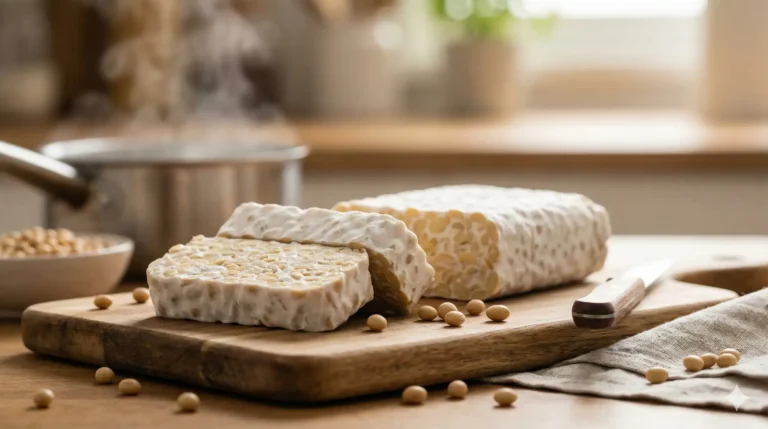
Tempeh look simple, but it is alive food. It give energy, strength, and help your gut work better. Many people ignore it, but this small block of fermented soybean hold both power and balance for your body.
What Tempeh Really Is
- Made from cooked soybeans (left to ferment few days).
- Hold white mold layer that bind beans like a cake.
- Smell bit nutty, taste little earthy.
Why You Should Eat It
- Good source of plant protein (great for vegetarians).
- Contain probiotics that help digestion.
- Rich in vitamins B and fiber (feel full faster).
How To Use It
- Cut and fry like paneer.
- Add in stir fry, curry, or sandwich.
- Marinate with soy sauce (for deeper flavor).
No. 7 Kombucha – A Fermented Tea That Aids Digestion Naturally
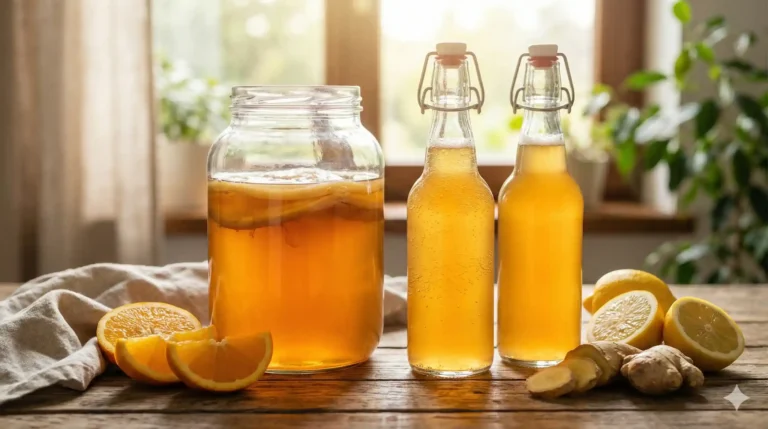
Kombucha feels alive in every sip. A tangy drink that bubbles with life and helps your gut heal. I drink it when my stomach feels heavy or lazy. It works slow but steady.
What is Kombucha
A fermented tea made with black or green tea, sugar, and a living culture (we call it SCOBY). It looks strange first time, but that’s the good bacteria growing.
How it Helps
- It brings good gut bacteria (like yogurt do).
- It aids digestion and reduces gas.
- It makes body feel light and active after meal.
How to Drink
Start with small glass daily. Drink before or after meal (not empty stomach). Keep it cool, not hot.
No. 8 Pickles – Crunchy Fermented Cucumbers Packed with Probiotics
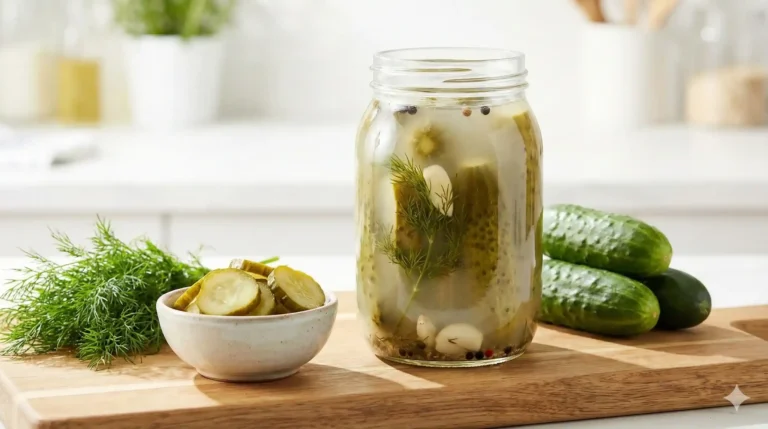
Pickles bite back in the best way—sour, crunchy, alive with good bacteria. They are not just side snacks; they are tiny jars of gut power. When cucumbers meet saltwater and time, magic happens (real probiotic magic). You eat, and your gut thanks you later.
What Pickles Really Do
- They feed your gut with friendly bacteria (just like yogurt but crunchier).
- They help digestion if you often feel bloated or heavy.
- They sometimes reduce sugar craving; weird but it works.
How to Eat Right
- Always pick fermented, not vinegar-style.
- Keep the brine (it holds the live culture).
- Eat 1–2 small pieces daily, not whole jar (yes, I tried once).
No. 9 Buttermilk – A Mild Probiotic Beverage for Gentle Digestion
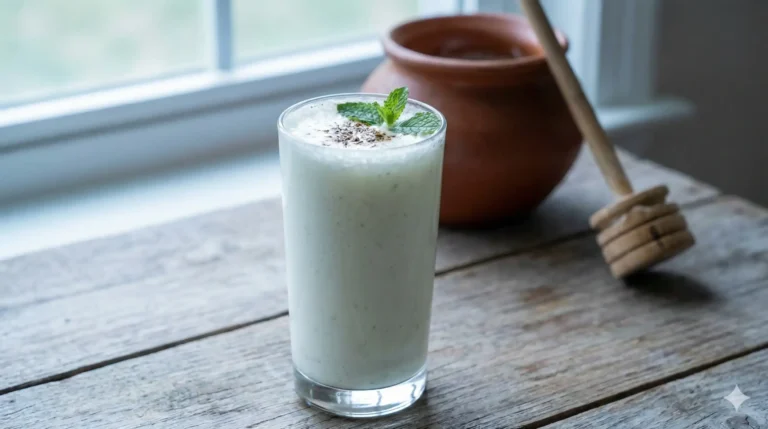
When your stomach feels heavy, try buttermilk. It’s a simple, old-style drink that calm your tummy and lift your mood after food. Make it fresh and light, not too thick, and drink slow.
How to Use Buttermilk
- Drink one glass after meal (especially lunch).
- Add pinch of roasted cumin and salt. It help digestion.
- Avoid if you have cold or throat pain (it can worsen).
Why It Feels Good
- It cools inside heat and reduce acid feel.
- It has mild probiotic, so gut stay active.
- It flush bad stuff out slowly, like a gentle wash.
No. 10 Natto – Japanese Fermented Soybeans with Powerful Probiotics
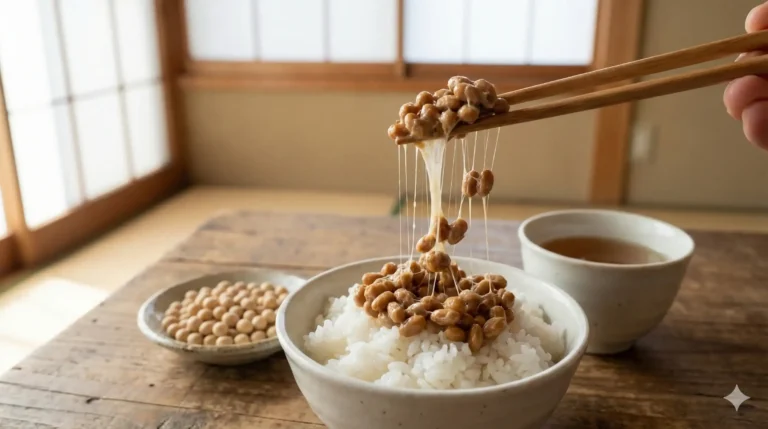
Natto smell strong but heal deep. This sticky, stringy soybean food from Japan is full of probiotics that fix your gut and clear your digestion. Eat it a few times in a week, and your stomach start working better (yes, even after heavy meals).
What is Natto
Made by fermenting soybeans with Bacillus subtilis. It look slimy but don’t judge it by look. The smell sharp, like old cheese, but it’s a superfood in Japan.
How to Eat
- Mix well till threads form (it activate the enzymes).
- Add soy sauce or mustard, or even rice.
- Eat it in morning for best result.
Health Benefits
- Clean gut bacteria.
- Improve digestion and remove bloating.
- Support bone and heart health due to vitamin K2.
No. 11 Fermented Cheese – A Creamy Source of Good Bacteria
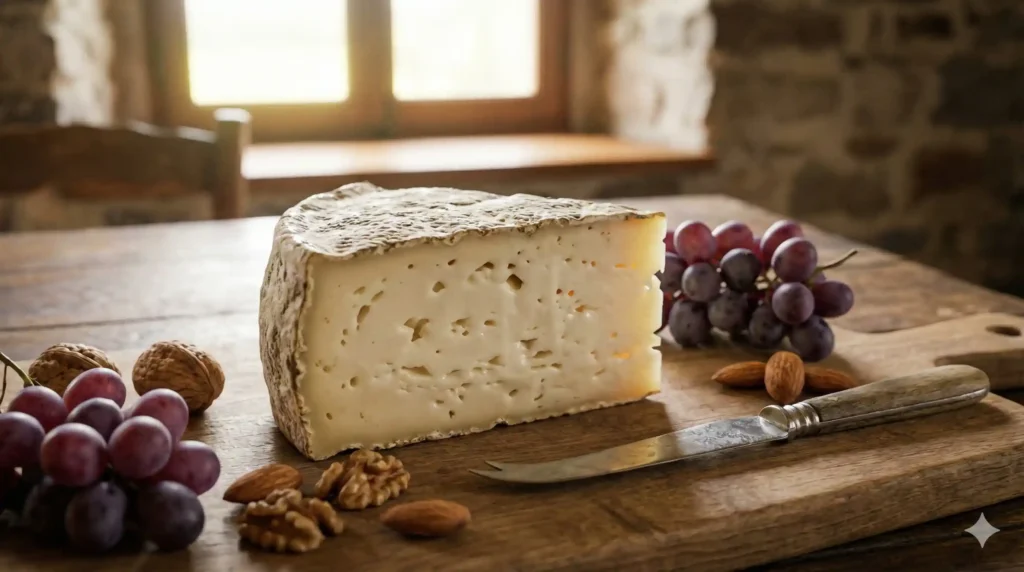
Fermented cheese looks simple but it’s alive with tiny helpers. These good bacteria make it creamy, rich, and easy for your body to digest. Many people don’t know, this food is more than taste—it’s medicine for your gut.
Health Power Inside
- It builds strong gut flora (good bacteria stay longer when you eat daily).
- It helps your immune system grow steady and balanced.
- It cut down bloating and heart burnt after meals.
How to Eat It Right
- Start with small cube (your stomach learn slow).
- Pair with fruits or whole bread.
- Never overheat—it kill all those live bacteria.
No. 12 Apple Cider Vinegar – A Natural Tonic That Supports Gut Microbes
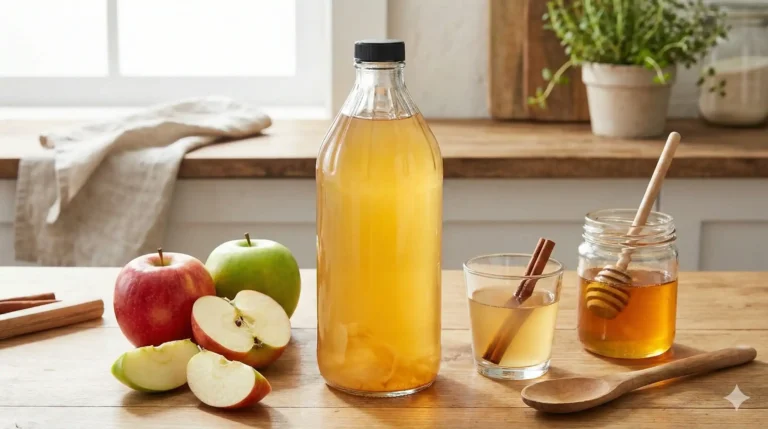
Apple cider vinegar works like an old friend for your gut. It wake up slow digestion and balance those tiny gut microbes that always keep the system running. I used it often in mornings (empty stomach helps best) and it show real change after few days.
How to Use Apple Cider Vinegar
- Start small – mix one spoon in warm water. Do it before breakfast.
- Add honey if taste feel too sharp (it calm the throat too).
- Use in salad or simple drink after heavy food to stop bloating.
- Keep routine – gut microbes like steady habit, not big jumps.
No. 13 Kvass – A Traditional Fermented Beverage from Eastern Europe
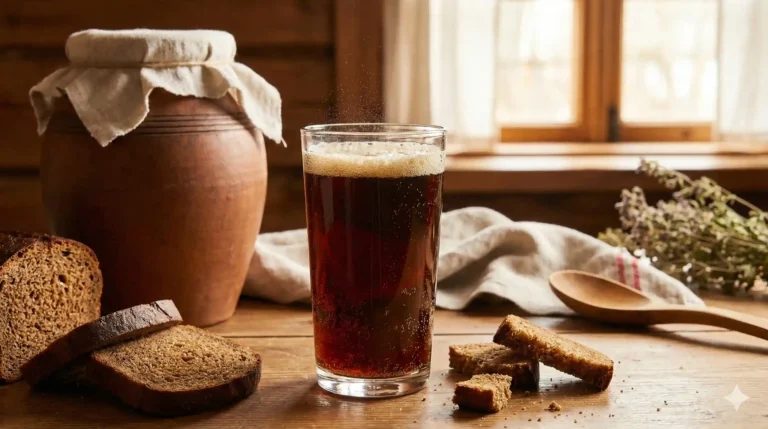
Kvass is an old drink with a living heart. It bubbles, smells a bit sour, and feels earthy on tongue. Many people say it gives energy like slow fire inside.
What is Kvass
It’s a fermented drink from rye bread (sometimes apple or beet too). In old Russia and Ukraine, people used it daily, even kids drink small cup.
How to Make Kvass
- Cut dry rye bread in small pieces.
- Roast them dark brown (smell should be strong but not burnt).
- Put in jar, pour warm water, add sugar and small spoon yeast.
- Cover and leave 1–2 days till foam come.
Benefits
Good for digestion, less sweet than soda, and refresh body on summer day.
No. 14 Lassi – Indian Yogurt Drink That Cools and Aids Digestion
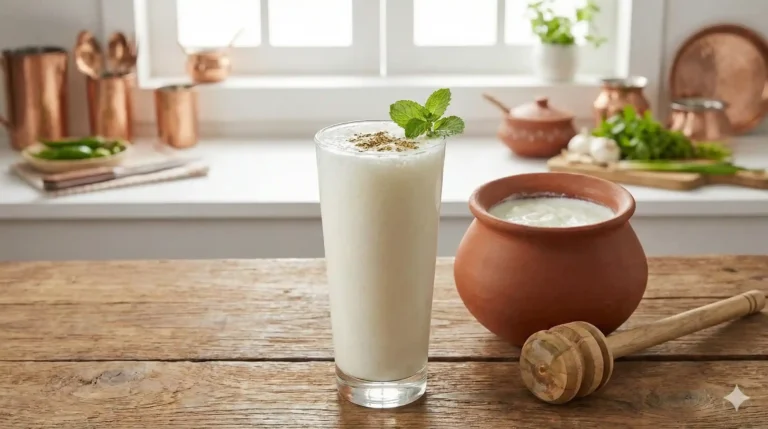
Lassi is not just a drink, it’s a relief on a hot day. Cool, light, and smooth—it calms stomach and quenches thirst. This yogurt drink from India is simple, healthy, and you can make it right at home with few steps.
How to Make Lassi
- Take cold curd (not sour). Add water or milk, half to half.
- Blend it well till it’s frothy (use traditional mathani if you have).
- Add sugar or salt as you like. For sweet one, drop some cardamom or rose water.
- Chill it before drink.
Why Drink Lassi
- It cools your body quickly after heavy lunch.
- It help in digestion and reduce heart burnt.
- It restore good bacteria in stomach (very helpful after spicy food).
No. 15 Sourdough Bread – A Probiotic-Friendly Alternative to Regular Bread
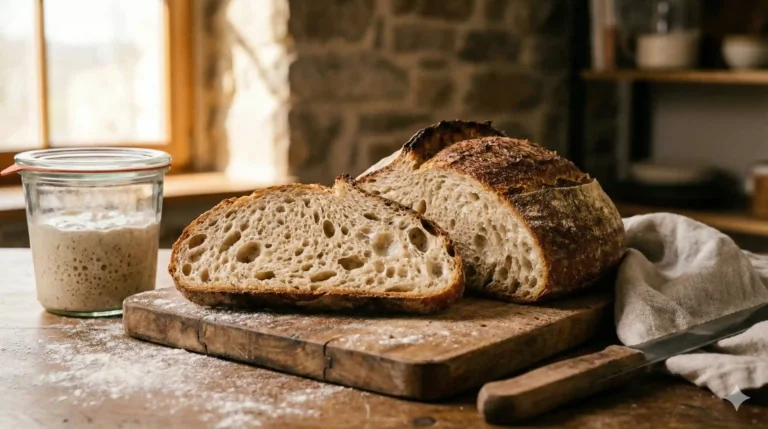
Sourdough smells alive, and it is. This bread got its own living culture—good bacteria that make it rise slow and tasty. Many say it feels lighter on stomach than white bread.
How Sourdough Help Gut
- It grow from natural yeast and lactobacillus (like yogurt have).
- These friendly bugs help digest gluten better.
- Eat one slice daily and see belly feel calmer after some days.
How To Make Simple One
- Mix flour, water, salt, and starter (keep it bubbly).
- Let it rest long hours.
- Bake when dough feels airy, not sticky.
Also Read:
Learn How Your Microbiome Controls Health in this comprehensive guide:
Gut Health RevolutionDiscover how to tailor your diet with Personalized Nutrition Based on Your Gut Bacteria.
Understand imbalance signs with Microbiome Dysbiosis: Signs, Causes & Natural Solutions.
FAQs
1. What are probiotics actually?
They are live bacteria (the good kind). They help your stomach work better and fight bloating. You find them in fermented foods. Simple rule — if food is sour naturally, it may have probiotics.
2. Which are top probiotic foods?
- Curd or plain yogurt (fresh one, not sugary).
- Kefir, a drink like sour milk.
- Kimchi, spicy cabbage from Korea.
- Sauerkraut, sour cabbage from Europe.
- Kombucha, fizzy tea (try small glass first).
- Miso soup, Japanese soy paste soup.
3. Can I eat probiotic food every day?
Yes, but keep balance. One bowl curd or a cup kefir daily is fine. Don’t eat everything together (your gut get confused).
It reduce gas, constipation, acidity, even heart burnt sometimes (seen in many people). It also make skin clearer as stomach cleans better.
5. When is best time to eat it?
Morning empty stomach or after meal both work. Just don’t add too hot or oily food near it, they kill good bacteria.
References
Amin, M. R., et al. (2025). Probiotics and their applications in functional foods: A health perspective. Journal of Functional Foods, 112, 105986.
Cleveland Clinic. (2025, September 10). Probiotics: What they are, benefits & side effects. Cleveland Clinic.
Dimidi, E., Cox, S. R., Rossi, M., & Whelan, K. (2019). Fermented foods: Definitions and characteristics, impact on the gut microbiota and effects on gastrointestinal health and disease. Nutrients, 11(8), 1806.
Food and Agriculture Organization of the United Nations. (2023). Probiotics in food: Health and nutritional properties and guidelines for evaluation. FAO Knowledge Repository.
Gardner, C., Sonnenburg, J., et al. (2021, July 11). Fermented-food diet increases microbiome diversity, decreases inflammation. Stanford Medicine News.
Hill, C., Guarner, F., Reid, G., Gibson, G. R., Merenstein, D. J., Pot, B., Morelli, L., Canani, R. B., Flint, H. J., Salminen, S., Calder, P. C., & Sanders, M. E. (2014). The International Scientific Association for Probiotics and Prebiotics consensus statement on the scope and appropriate use of the term probiotic. Nature Reviews Gastroenterology & Hepatology, 11(8), 506-514.
Kechagia, M., Basoulis, D., Konstantopoulou, S., Dimitriadi, D., Gyftopoulou, K., Skarmoutsou, N., & Fakiri, E. M. (2013). Health benefits of probiotics: A review. ISRN Nutrition, 2013, 481651.
Leeuwendaal, N. K., Stanton, C., O’Toole, P. W., & Beresford, T. P. (2022). Fermented foods, health and the gut microbiome. Nutrients, 14(7), 1527.
Marco, M. L., Sanders, M. E., Gänzle, M., Arrieta, M. C., Cotter, P. D., De Vuyst, L., Hill, C., Holzapfel, W., Lebeer, S., Merenstein, D., Reid, G., Wolfe, B. E., & Hutkins, R. (2021). The International Scientific Association for Probiotics and Prebiotics consensus statement on fermented foods. Nature Reviews Gastroenterology & Hepatology, 18(3), 196-208.
National Institutes of Health Office of Dietary Supplements. (2025, October 28). Probiotics – Health professional fact sheet.
Popova, A., et al. (2024, August 27). Plant-based probiotic foods: Current state and future trends. PMC.
Rezac, S., Kok, C. R., Heermann, M., & Hutkins, R. (2018). Fermented foods as a dietary source of live organisms. Frontiers in Microbiology, 9, 1785.
Vera-Santander, V. E., et al. (2023, January 26). Health benefits of consuming foods with bacterial probiotics: A systematic review of randomized controlled trials. PMC.