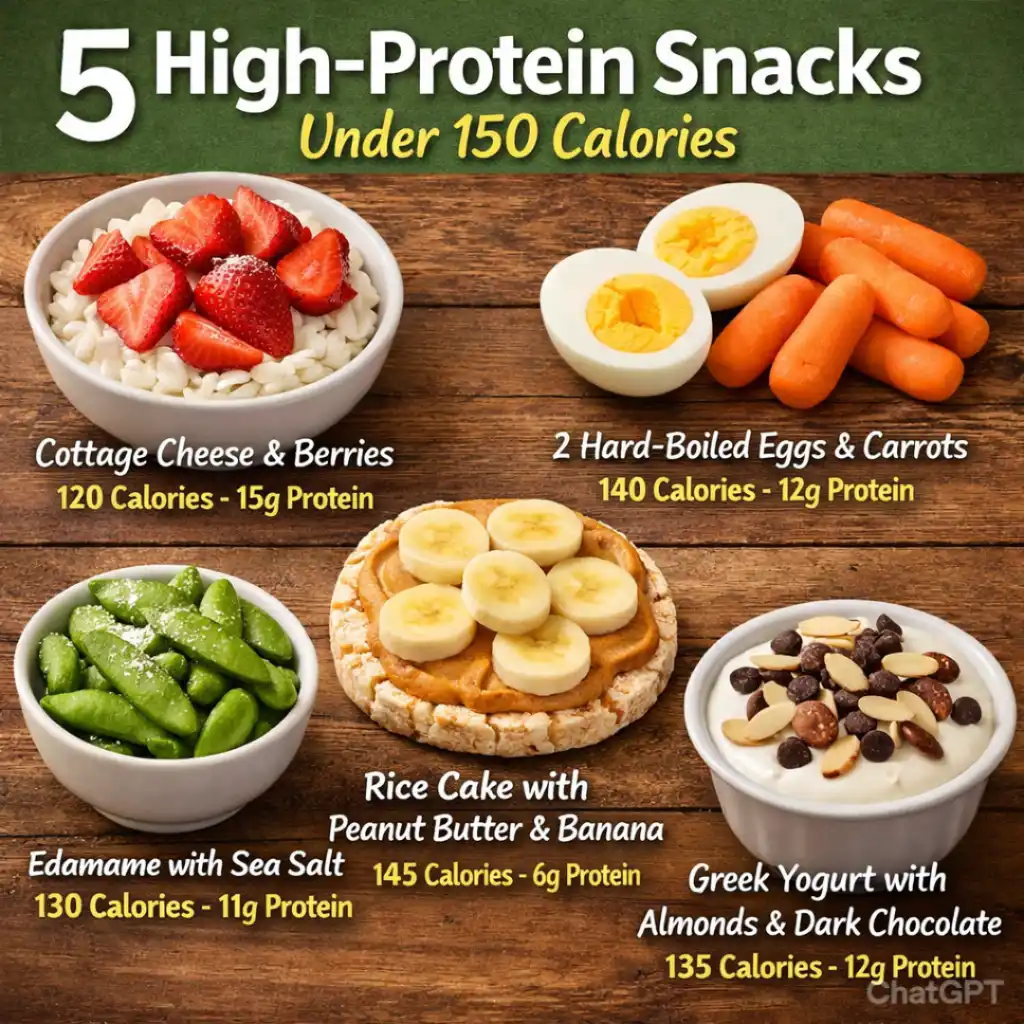
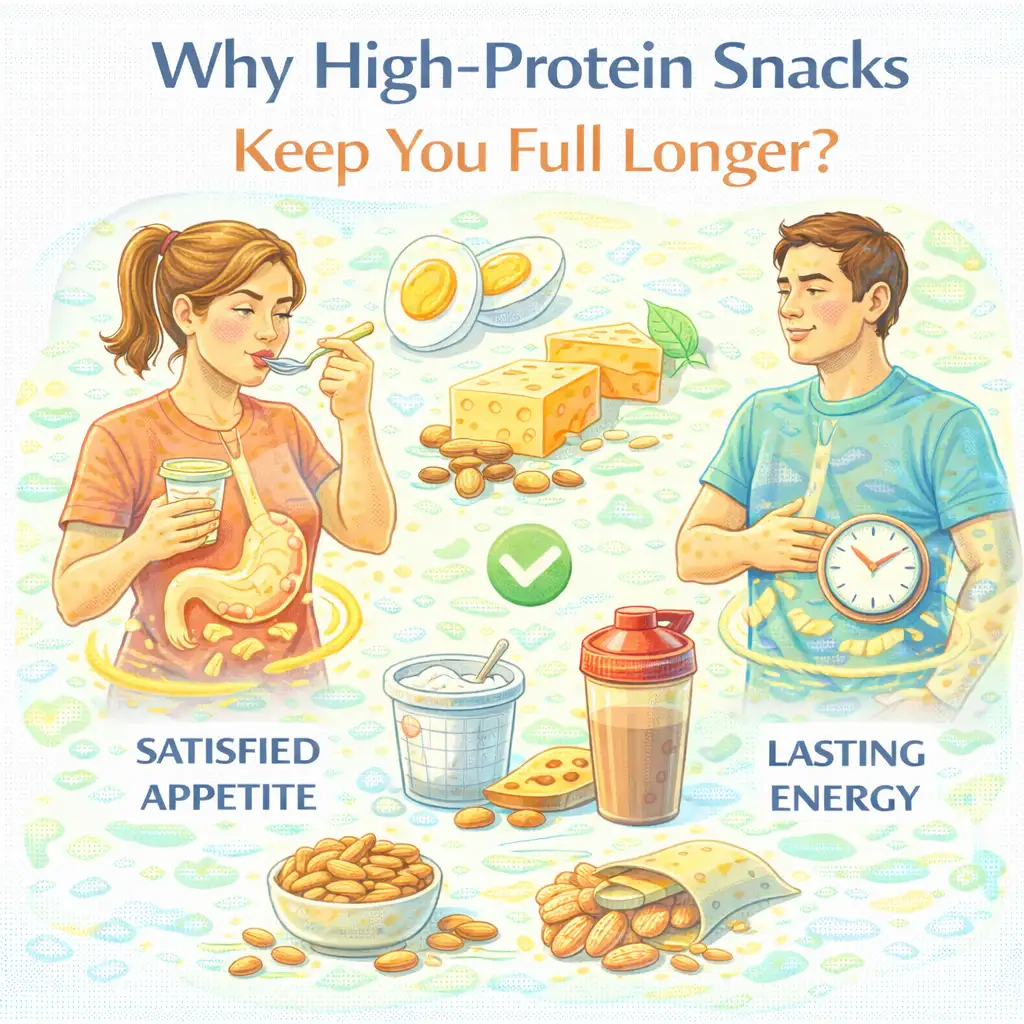
Feeling that mid-afternoon hunger hit is a struggle everyone knows. Reaching for chips or candy can give quick energy, but it fades fast. High-protein snacks work differently—they keep hunger at bay and energy steady.
Protein helps you feel full by slowing digestion and sending signals to the brain that you’ve eaten enough. Hormones like ghrelin, which spark hunger, drop, while GLP-1, which promotes fullness, rises. This means fewer cravings and steadier energy through the day.
Even a small high-protein snack, like nuts, yoghurt, or boiled eggs, can make a big difference. It’s not just for fitness buffs—anyone looking to control appetite or avoid overeating can benefit. Choosing snacks with protein helps manage hunger naturally and keeps energy balanced until the next meal.
High-protein tips: pair protein with fibre for extra satiety and keep easy snacks handy for those unexpected hunger moments.
Table of Contents
ToggleThe Protein Leverage Effect: Your Body’s Hidden Nutrient Sensor
The body has a clever way of knowing when it’s had enough protein. Until it reaches a certain protein threshold, hunger keeps sending signals, making it hard to stop eating. High-protein snacks can satisfy this hidden need and calm the appetite.
How Protein Tells Your Brain “I’m Full”
Protein doesn’t just fill the stomach—it talks to the brain. Certain amino acids, especially leucine, activate the mTOR pathway, signalling the body that enough nutrients are present.
After a meal, nutrient sensing kicks in:
- Ghrelin ↓ – hunger hormone drops
- GLP-1 ↑ – fullness hormone rises
- Leucine → mTOR – triggers satiety messages
Recent studies from 2025–2026 confirm that these signals help reduce food-seeking behaviour and keep cravings in check.
The “Protein Ceiling”: Why Timing Matters More Than Quantity
Eating too much protein at once doesn’t boost fullness further. Most adults feel satisfied with 25–40g per meal, and spreading protein through the day works best.
Snack | Protein (g) | Notes |
Greek yoghurt (1 cup) | 20 | Quick and creamy option |
Boiled eggs (2) | 12 | Easy to carry and snack |
Peanut butter (2 tbsp) | 8 | Pair with fruit for balance |
Spacing snacks and meals around this “ceiling” helps keep satiety signals strong and appetite under control all day.
3 Ways Protein Stops the “Post-Snack Crash”
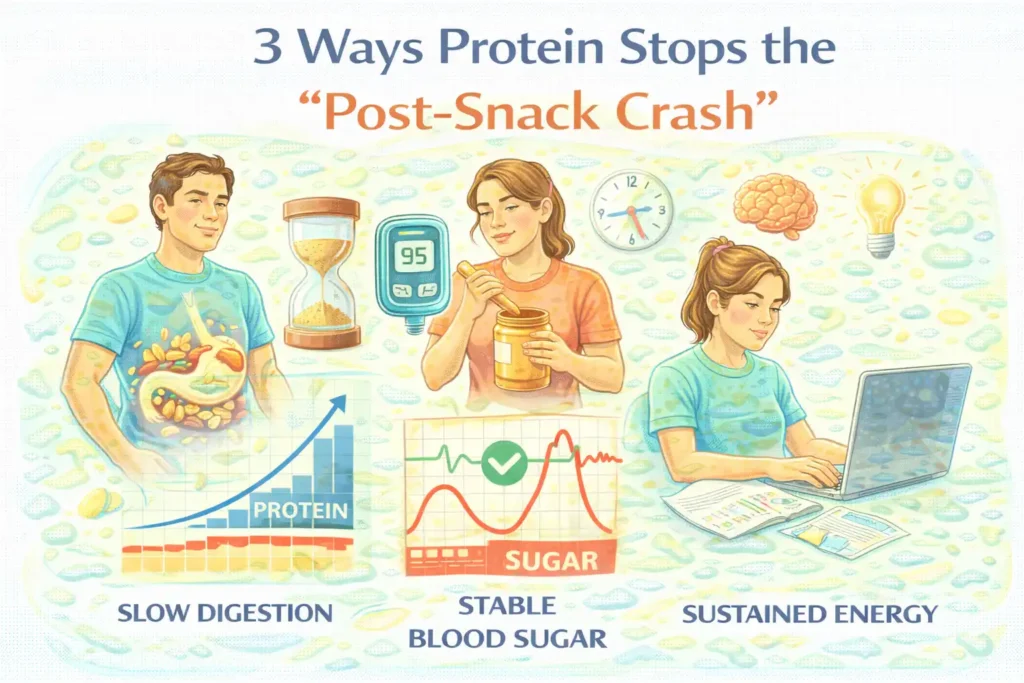
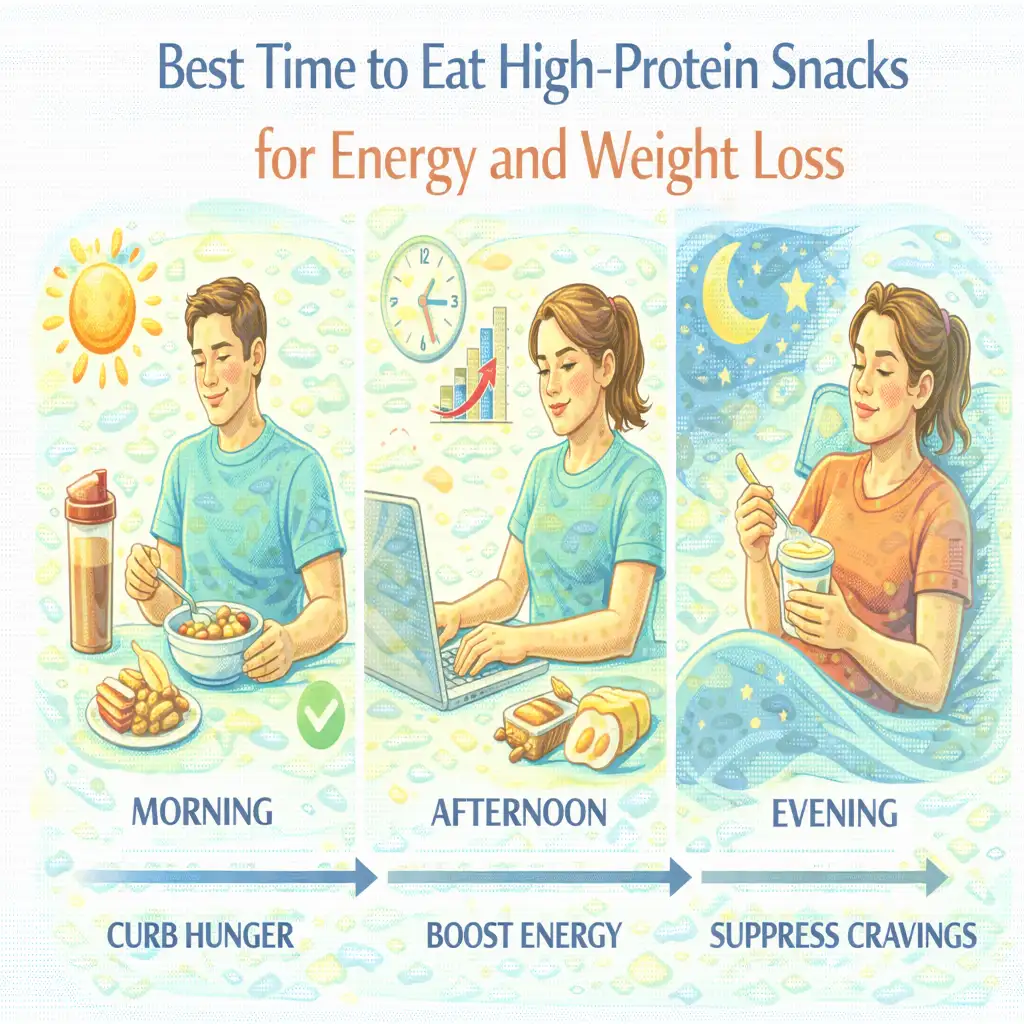
A small mid-morning snack can make or break energy levels for the afternoon. Protein plays a big role in keeping blood sugar steady, curbing hunger, and helping energy last longer, so you don’t hit that dreaded 3 PM slump.
Suppressing the Ghrelin “Alarm”
Ghrelin is often called the “hunger hormone” because it signals the brain when it’s time to eat. Eating protein helps lower ghrelin, which means fewer cravings and less snacking.
- Hormone role: Protein slows ghrelin release, keeping hunger in check.
- Snack tip: Try 15–20 grams of protein mid-morning, like a boiled egg, cottage cheese, or a small protein shake, to prevent that 3 PM snack attack.
Activating GLP-1 Naturally (Without Medication)
GLP-1 tells the body, “You’re full.” Protein naturally boosts GLP-1, and pairing it with fibre-rich foods makes this effect last longer. Studies in 2025 show plant-based proteins, like pea protein, are especially effective.
- GLP-1 boosting snacks:
- Pea protein smoothie with berries
- Hummus with carrot sticks
- Lentil salad with vegetables
The Slow-Release Energy Chain
Protein takes more energy to digest, so calories are burned more slowly, and it empties from the stomach gradually. This keeps energy steady, unlike carb snacks that spike blood sugar.
Snack | Energy Lasts |
Greek yoghurt + almonds | 2–3 hours |
Banana muffin | 30–45 mins |
Protein-rich snacks help the body stay energised, focused, and satisfied through the afternoon.
The Satiety-to-Calorie Ratio: Choosing the Right Snack
Not all snacks give the same feeling of fullness. Some foods fill the stomach with fewer calories, making them smarter choices when someone wants to stay satisfied without overeating. Thinking about “satiety per calorie” helps pick snacks that really work. High satiety foods with good protein per calorie can keep hunger away longer, while some protein bars, though trendy, are often calorie-heavy and less effective. Focusing on snack efficiency means choosing options that pack more nutrition and staying power for fewer calories.
Greek Yogurt vs. Protein Bars
Feature | Greek Yoghurt + Nuts | Typical Protein Bar |
Protein per calorie | High | Moderate to low |
Sugar content | Low | Often high |
Micronutrients | Rich in calcium, vitamins | Limited |
Fullness factor | Strong, keeps hunger away | Sometimes short-lived |
Greek yoghurt with nuts usually keeps people fuller than many processed bars. The natural protein and healthy fats slow digestion, making it a more satisfying snack.
Nuts, Seeds, and Whole-Food Power
Combining protein, healthy fats, and fibre helps snacks keep hunger away longer. Real foods digest slowly and provide lasting energy.
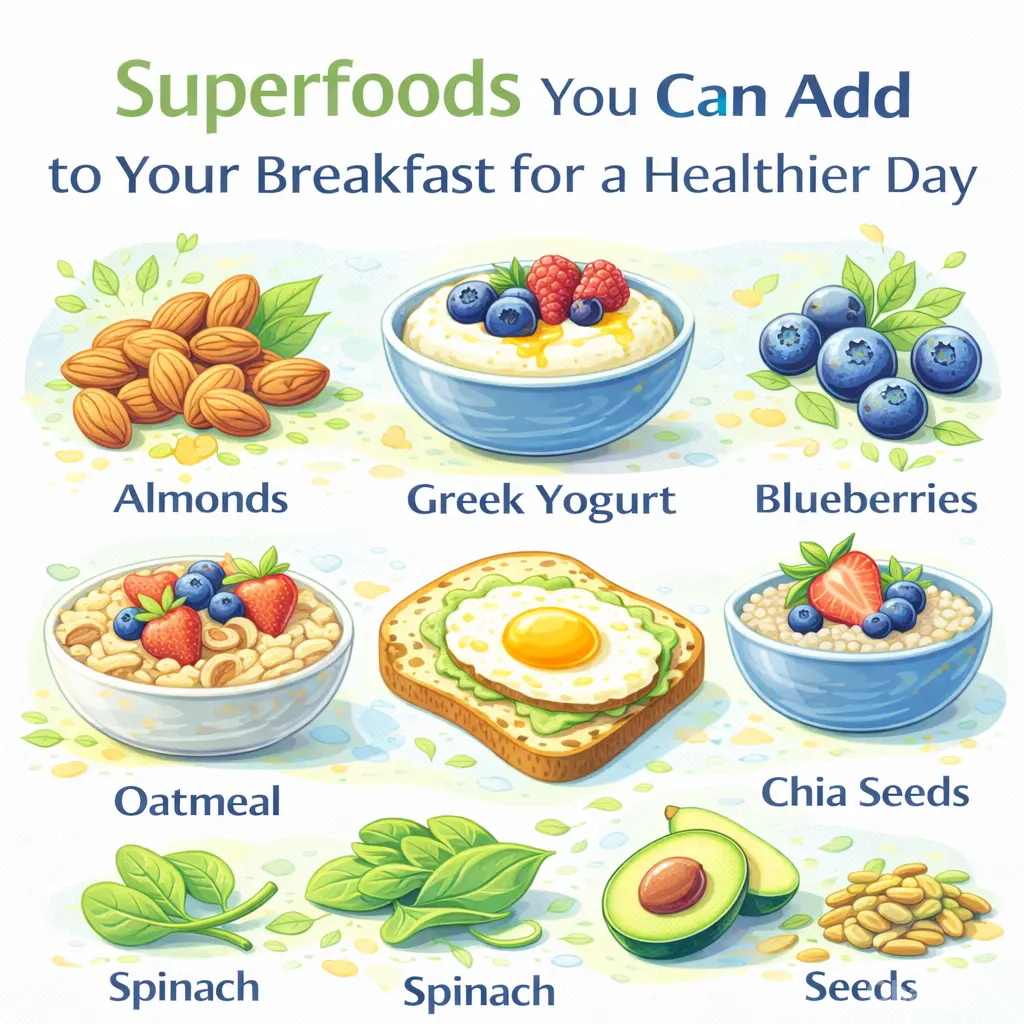
- Almonds + apple slices – crunchy, sweet, and filling
- Pumpkin seeds + Greek yoghurt – creamy with a protein punch
- Peanut butter on whole-grain toast – fibre and fat slow hunger
These combinations are easy, tasty, and naturally satisfying without relying on processed options.
Timing Your Protein: The 3-Hour Fullness Window
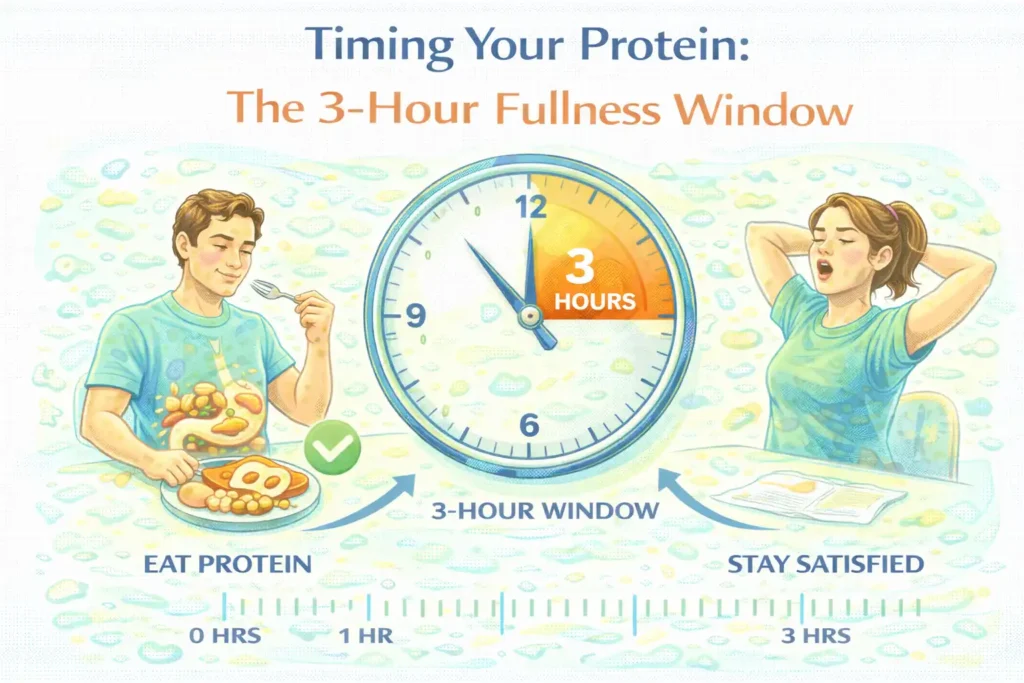
Eating protein at the right times can help keep hunger away and prevent overeating. The “3-Hour Fullness Test” is a simple way to see how well your snacks keep you satisfied. Spacing 15–20 grams of protein every three hours can help maintain steady energy and fullness throughout the day.
Protein Before Carbs: The “First Bite” Hack
Starting a snack with protein can slow the blood sugar rise from carbs, keeping hunger at bay longer.
- Eat turkey slices before bread or crackers to feel fuller.
- Have Greek yoghurt before fruit for a longer-lasting snack.
- A 2026 study found this method can reduce post-snack hunger by about 30%.
Liquid vs. Solid Protein Rule
The form of protein affects how long it keeps you full. Solid proteins like eggs or cheese take longer to digest, helping you stay satisfied. Protein shakes digest faster and might leave you hungry sooner.
Do: Pair shakes with nuts or seeds.
Don’t: Rely only on liquid protein for long-lasting fullness.
Smart Pairings: Why Protein Needs a “Fibre Sidekick”
Combining protein with fibre is more than just a trend—it’s a simple trick for staying full longer. When protein meets fibre, meals are digested more slowly, keeping energy steady and cravings in check. Snacks that pair the two are easy ways to feel satisfied between meals.
Real-World Combos for All-Day Satiety
Some snacks naturally bring protein and fibre together, making hunger easier to manage. Fibre slows digestion, letting protein release its benefits steadily. This helps keep energy and focus stable for hours.
Snack | Protein (g) | Fibre (g) | Fullness (hrs) |
Apple + 2 tbsp almond butter | 4 | 5 | 2–3 |
Greek yoghurt + 1 tbsp chia seeds | 10 | 5 | 3–4 |
Hummus + carrot sticks | 5 | 4 | 2–3 |
These combos are simple, tasty, and easy to pack. Pairing fibre and protein supports steady blood sugar, reduces mid-day cravings, and makes healthy eating feel effortless.
Avoid Ultra-Processed Protein Traps
Not all protein snacks work the same. Many bars and powders contain sugar alcohols or artificial ingredients that spike hunger after a short time. Choosing whole-food protein sources keeps digestion smooth and fullness lasting longer.
- Pick plain Greek yoghurt, nuts, seeds, or legumes.
- Read labels for minimal added sugars and artificial sweeteners.
- Favour “clean-label” snacks that support gut health and steady energy.
Final Thoughts: Making High-Protein Snacks Work for You
High-protein snacks help keep hunger in check by slowing digestion and sending signals to the brain that you’re full. Pairing protein with fibre or healthy fats can make that feeling of fullness last even longer.
To make it work in daily life, try spreading small protein snacks every few hours and mix in fruits, veggies, or nuts. Choose real, whole foods over processed options for steady energy. Experiment with timing and combinations to see what satisfies hunger best for you.
Remember, staying full isn’t about willpower—it’s about smart choices. High-protein snacks are a simple tool to manage hunger and feel good between meals.
Read More: 30-Day Steps Challenge
FAQ: High-Protein Snacks and Satiety
A good target is about 15–20 grams of protein per snack. This amount helps reduce hunger without overloading the body. Eating more protein than needed won’t make you fuller—this is sometimes called the “protein ceiling.”
Yes, plant proteins like pea, soy, and lentils can satisfy hunger well. While some plant proteins aren’t “complete” alone, combining different sources or eating them with other foods can help keep fullness lasting as long as animal proteins.
Liquid protein is absorbed faster than solid foods, so it may not keep hunger away as long. Including snacks you can chew, or foods with fiber, will help satiety last longer.
Pair protein with fiber or healthy fats. Examples include fruit with nuts, yogurt with seeds, or hummus with veggies. These combinations slow digestion and help fullness last.
Protein is less likely to turn into fat compared to carbs or sugars. It also burns more calories during digestion and helps control hunger, making it easier to manage weight naturally.