Antibiotics are powerful tools against bacterial infections, but why do they fail against viruses? Uncover the science behind this critical medical misconception.
Table of Contents
ToggleUnderstanding Antibiotics: What They Are and How They Work
Antibiotics are a class of drugs specifically designed to combat bacterial infections. They have revolutionized medicine since their discovery, saving countless lives by effectively treating illnesses that were once considered fatal. Antibiotics work by targeting specific features of bacterial cells, such as the cell wall, protein synthesis machinery, or DNA replication processes. By inhibiting these critical functions, antibiotics either kill the bacteria outright or inhibit their ability to grow and reproduce, allowing the body’s immune system to clear the infection more effectively.
There are several different classes of antibiotics, each with its own mechanism of action. For example, penicillins and cephalosporins interfere with the synthesis of the bacterial cell wall, leading to the death of the bacteria. Aminoglycosides and tetracyclines inhibit protein synthesis by binding to bacterial ribosomes, while fluoroquinolones interfere with DNA replication by targeting bacterial enzymes like DNA gyrase and topoisomerase. These drugs are highly effective against a wide range of bacterial pathogens, making them essential tools in modern medicine.
Despite their efficacy against bacteria, antibiotics are useless against viruses. This fundamental limitation stems from the vast differences between bacterial and viral pathogens. Understanding these differences is crucial for appreciating why antibiotics cannot treat viral infections and underscores the importance of using antibiotics judiciously to avoid the development of antibiotic resistance.
The Difference Between Bacteria and Viruses
Bacteria and viruses are fundamentally different types of microorganisms, each with unique characteristics and modes of operation. Bacteria are single-celled organisms that can live independently in various environments, including soil, water, and within the human body. They have a complex cellular structure, complete with a cell wall, cell membrane, and various organelles that allow them to perform essential life functions, such as metabolism, growth, and reproduction.
In contrast, viruses are much smaller and simpler entities. They are not considered living organisms because they cannot carry out metabolic processes or reproduce on their own. Instead, viruses are composed of a protein coat that encases genetic material, either DNA or RNA. To replicate, viruses must infect a host cell by injecting their genetic material into it. Once inside, the viral genetic material hijacks the host cell’s machinery to produce new viral particles, which can then go on to infect other cells.
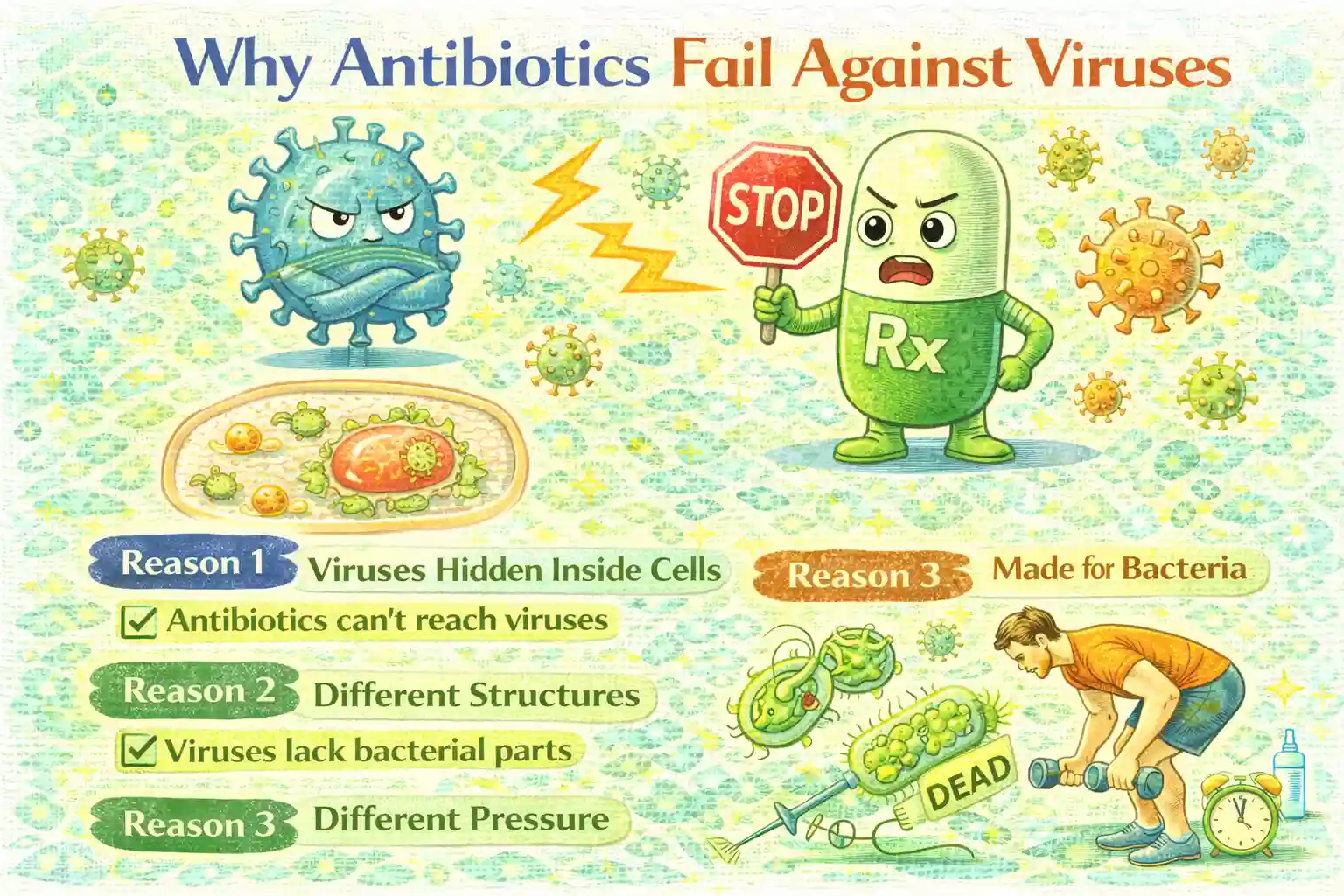
The differences in structure and function between bacteria and viruses explain why antibiotics are ineffective against viruses. Antibiotics target specific features of bacterial cells that are absent in viruses. For example, since viruses lack a cell wall, antibiotics that target cell wall synthesis, like penicillins, have no effect on them. Similarly, antibiotics that target protein synthesis or DNA replication in bacteria cannot affect viruses, as viruses rely on the host cell’s machinery for these processes.
Why Antibiotics Are Ineffective Against Viral Infections

Given the fundamental differences between bacteria and viruses, it becomes clear why antibiotics are ineffective against viral infections. Antibiotics are designed to target specific bacterial structures and functions that viruses simply do not possess. Consequently, using antibiotics to treat viral infections is not only futile but can also be harmful, as it contributes to the development of antibiotic resistance.
One of the main reasons antibiotics are ineffective against viruses is that viruses replicate inside host cells. Antibiotics cannot penetrate these cells to reach the viruses. Additionally, because viruses rely on the host cell’s machinery to replicate, antibiotics that target bacterial-specific processes do not affect viral replication. This is why conditions like the common cold, influenza, and other viral infections cannot be treated with antibiotics.
Moreover, using antibiotics to treat viral infections can disrupt the balance of the body’s natural microbiota. This can lead to overgrowth of harmful bacteria and increase the risk of secondary bacterial infections. It also contributes to the development of antibiotic-resistant bacteria, making future bacterial infections more difficult to treat. Understanding these risks underscores the importance of using antibiotics only when necessary and appropriate.
Common Viral Infections and Their Treatments
Many common illnesses are caused by viruses, and understanding their treatments is crucial for managing these infections effectively. The common cold, for example, is caused by a variety of viruses, including rhinoviruses, coronaviruses, and adenoviruses. Symptoms typically include a runny nose, sore throat, cough, and congestion. Since antibiotics are ineffective against these viruses, treatment focuses on relieving symptoms. Over-the-counter medications, such as decongestants, antihistamines, and pain relievers, can help manage discomfort while the body’s immune system fights off the infection.
Influenza, commonly known as the flu, is another viral infection that affects millions of people worldwide each year. Unlike the common cold, influenza can cause more severe symptoms, including high fever, body aches, fatigue, and respiratory complications. Antiviral medications, such as oseltamivir (Tamiflu) and zanamivir (Relenza), can be prescribed to reduce the severity and duration of symptoms if taken early in the course of the illness. However, these antiviral drugs do not cure the infection but rather help the body combat the virus more effectively.
Other notable viral infections include hepatitis, caused by various hepatitis viruses (A, B, C, D, and E), and human immunodeficiency virus (HIV), which causes acquired immunodeficiency syndrome (AIDS). Treatment for these infections typically involves antiviral medications that target specific aspects of the viral life cycle. For example, antiretroviral therapy (ART) for HIV involves a combination of drugs that inhibit viral replication, helping to manage the infection and prolong the lives of those affected. These treatments highlight the importance of using targeted antiviral therapies rather than antibiotics for viral infections.
The Impact of Misusing Antibiotics
Misusing antibiotics can have far-reaching consequences, both for individual patients and public health at large. One of the most significant impacts is the development of antibiotic resistance. When antibiotics are used inappropriately, such as for treating viral infections, they can kill off susceptible bacteria while allowing resistant strains to survive and multiply. This selective pressure leads to the emergence of antibiotic-resistant bacteria, which are more difficult to treat and can cause more severe infections.
Antibiotic resistance is a growing global health crisis. Resistant bacteria can spread from person to person, making infections harder to control and treat. This can lead to longer hospital stays, higher medical costs, and increased mortality rates. For example, methicillin-resistant Staphylococcus aureus (MRSA) is a well-known antibiotic-resistant bacterium that can cause severe infections in hospitals and communities. Treating MRSA infections often requires more expensive and toxic antibiotics, highlighting the need for careful antibiotic stewardship.
In addition to contributing to antibiotic resistance, the misuse of antibiotics can disrupt the body’s natural microbiota. The microbiota, composed of beneficial bacteria that inhabit various parts of the body, plays a crucial role in maintaining health. Overuse of antibiotics can disrupt this balance, leading to conditions such as antibiotic-associated diarrhea and Clostridioides difficile (C. diff) infections. These complications can be severe and require additional medical intervention, emphasizing the importance of using antibiotics only when necessary.
Lorem ipsum dolor sit amet, consectetur adipiscing elit. Ut elit tellus, luctus nec ullamcorper mattis, pulvinar dapibus leo.
The Rise of Antibiotic Resistance
The rise of antibiotic resistance is a complex and multifaceted problem that poses a significant threat to global health. One of the primary drivers of this issue is the overuse and misuse of antibiotics in both human medicine and agriculture. In many countries, antibiotics are readily available without a prescription, leading to widespread self-medication and inappropriate use. This can include taking antibiotics for viral infections, not completing prescribed courses, or using leftover antibiotics from previous illnesses.
In agriculture, antibiotics are often used not only to treat infections in livestock but also to promote growth and prevent disease in healthy animals. This practice contributes to the development of antibiotic-resistant bacteria that can be transmitted to humans through the food supply. Efforts to reduce the use of antibiotics in agriculture are crucial for combating the spread of resistance, but achieving this goal requires coordinated action from governments, industry, and consumers.
The consequences of antibiotic resistance are dire. As bacteria become resistant to existing antibiotics, treatment options for infections become limited, leading to higher morbidity and mortality rates. In some cases, infections caused by resistant bacteria may become untreatable, reversing decades of medical progress. Addressing this crisis requires a multifaceted approach, including the development of new antibiotics, improved diagnostic tools, and robust antibiotic stewardship programs to ensure that antibiotics are used appropriately and effectively.
Alternative Treatments for Viral Infections
Given the ineffectiveness of antibiotics against viral infections, exploring alternative treatments is essential. Antiviral medications are specifically designed to target various stages of the viral life cycle, helping to manage and reduce the severity of viral infections. For example, antiviral drugs for influenza, such as oseltamivir and zanamivir, inhibit the neuraminidase enzyme, which is crucial for the release of new viral particles from infected cells. These medications can shorten the duration of symptoms and reduce the risk of complications if taken early in the course of the infection.
Another promising area of research is the development of broad-spectrum antiviral drugs that can target multiple viruses. These drugs aim to interfere with common features of viral replication, such as viral entry into host cells or the synthesis of viral RNA. While still in the experimental stage, broad-spectrum antivirals have the potential to provide more versatile treatment options for a range of viral infections, reducing the reliance on antibiotics and helping to mitigate the spread of resistance.
In addition to pharmacological treatments, non-pharmacological interventions play a crucial role in managing viral infections. Rest, hydration, and supportive care are essential for helping the body recover from viral illnesses. For respiratory infections, using humidifiers and saline nasal sprays can relieve congestion, while throat lozenges and warm liquids can soothe sore throats. These measures, combined with good hygiene practices like handwashing and avoiding close contact with infected individuals, can help prevent the spread of viral infections and support the body’s natural defenses.
The Role of Vaccines in Preventing Viral Diseases

Vaccines are one of the most effective tools for preventing viral infections and reducing the burden of infectious diseases. By stimulating the immune system to recognize and combat specific viruses, vaccines provide long-lasting protection and can prevent outbreaks of diseases like measles, mumps, rubella, and influenza. Vaccination programs have been instrumental in eradicating smallpox and significantly reducing the incidence of polio, demonstrating the profound impact of vaccines on public health.
Vaccines work by introducing a harmless form of the virus, such as an inactivated or attenuated virus, or a piece of the virus, such as a protein or genetic material, into the body. This exposure prompts the immune system to produce antibodies and memory cells that can recognize and respond to the virus if encountered again in the future. This “immunological memory” provides long-term protection and can prevent the virus from establishing an infection, reducing the spread of the disease within the community.
In addition to individual protection, vaccines contribute to herd immunity, which occurs when a significant portion of the population is immunized against a virus. This reduces the overall prevalence of the virus and protects those who cannot be vaccinated, such as individuals with compromised immune systems or certain medical conditions. Herd immunity is crucial for controlling the spread of highly contagious viruses and achieving population-wide health benefits. Vaccination remains a cornerstone of public health strategies to combat viral diseases and reduce the reliance on antibiotics.
Educating the Public on Antibiotic Use
Public education on the appropriate use of antibiotics is essential for combating antibiotic resistance and ensuring that these life-saving drugs remain effective for future generations. One of the key messages to convey is that antibiotics are only effective against bacterial infections and should not be used to treat viral illnesses. This distinction can help reduce the misuse of antibiotics for conditions like the common cold, flu, and other viral infections, which do not benefit from antibiotic treatment.
Healthcare providers play a critical role in educating patients about when antibiotics are necessary and how to use them properly. This includes emphasizing the importance of completing prescribed courses of antibiotics, even if symptoms improve before the medication is finished. Stopping treatment early can allow surviving bacteria to develop resistance and lead to recurrent infections that are harder to treat. Clear communication between healthcare providers and patients can enhance understanding and adherence to antibiotic guidelines.
Public health campaigns and educational initiatives can also raise awareness about the risks of antibiotic resistance and the steps individuals can take to prevent it. These efforts can include promoting good hygiene practices, such as regular handwashing, to reduce the spread of infections, as well as encouraging vaccination to prevent viral diseases. By fostering a culture of responsible antibiotic use and informed decision-making, we can protect the efficacy of antibiotics and safeguard public health.
Conclusion: The Importance of Responsible Antibiotic Use
The discovery and development of antibiotics have been among the most significant achievements in medical history, transforming the treatment of bacterial infections and saving countless lives. However, the rise of antibiotic resistance poses a serious threat to global health, driven in part by the misuse and overuse of antibiotics. Understanding why antibiotics are ineffective against viral infections is crucial for promoting responsible antibiotic use and preventing the spread of resistance.
By recognizing the fundamental differences between bacteria and viruses, we can appreciate why antibiotics cannot treat viral illnesses and the importance of using targeted antiviral therapies instead. Public education and awareness are key components of this effort, helping individuals make informed decisions about their health and the use of antibiotics. Healthcare providers, public health officials, and policymakers all have a role to play in promoting antibiotic stewardship and ensuring that these vital drugs remain effective for future generations.
Ultimately, responsible antibiotic use is a collective responsibility that requires collaboration and commitment from all sectors of society. By prioritizing proper antibiotic use, investing in the development of new treatments, and supporting vaccination programs, we can combat antibiotic resistance and protect public health. The science behind why antibiotics fail against viruses underscores the need for continued education, innovation, and vigilance in the fight against infectious diseases.