Wellbeing mastery is not just staying away from sickness. It means feeling strong and happy in mind, body, emotion, and with people around you.
Science shows generic tips often fail. But evidence-based mental health habits work better. Studies from Harvard and the WHO prove this.
Combine four areas for a daily wellbeing routine:
- Move your body for 30 minutes every day. Walk fast or lift weights.
- Eat real food. Vegetables, protein, healthy fats.
- Sleep 7-9 hours. Go to bed at the same time.
- Practice gratitude. Write three good things daily.
- Talk to friends. Connect real, not only online.
Start small. Pick one habit today. Build from there. You feel different soon.
Table of Contents
ToggleUnderstanding the Science of Modern Wellbeing
Science-based wellbeing insights matter today, and the PERMA model of wellbeing explains why people feel well, not just fine. This idea comes from positive psychology strategies started by Martin Seligman in 1998. Focus on strengths. Study what works. Not only fix illnesses.
In 2011, Seligman explained well-being more deeply in the book Flourish. PERMA became a research model, not a trend. Universities tested it. Clinics used it. Data followed.
What research shows
- The Harvard Grant Study ran for about 86+ years.
- It tracked men across life.
- The result was clear. Relationships predict health better than cholesterol or income.
- Strong social bonds meant longer life and less stress.
How PERMA links to outcomes
Higher PERMA scores connect with life satisfaction and stress resilience. Studies show lower cortisol and better coping. This is measured, not guessed.
Positive psychology → PERMA framework → long-term wellbeing data.
Core Pillars of Evidence-Based Wellbeing

Evidence-based wellbeing framework starts with clear wellbeing pillars you can use daily. Use PERMA model pillars. Do this now.
P – Positive emotions
- Write three small wins today.
- Breathe slowly for one minute.
Self-rate 0–10: How calm did you feel today?
Micro-intervention: gratitude note.
E – Engagement
- Do one task without a phone.
- Work in a 25-minute block.
Self-rate: How focused were you?
Micro-intervention: remove one distraction.
R – Relationships
- Call one friend.
- Eat with family.
Self-rate: How connected you felt?
Micro-intervention: send one honest message.
M – Meaning
- Help one person.
- Link the task to the value.
Self-rate: Did today matter?
Micro-intervention: write one why.
A – Accomplishment
- Finish one tiny goal.
- Track progress.
Self-rate: What did you complete?
Micro-intervention: checkmark done.
Now prioritise the lowest score and repeat daily. Sources you can trust: WHO, APA, NHS. guides
Sleep Optimisation: The Keystone Habit for Wellbeing
Good sleep is key to your well-being. Sleep quality for mental health matters a lot. It helps manage stress, control emotions, and think clearly.
Science shows poor sleep makes stress worse, and the brain slows. Studies from Harvard say 7-9 hours of sleep every night boosts emotional regulation and cognitive performance.
Do these science-based sleep strategies now.
Fix Your Circadian Rhythm
Go to bed at the same time each night. Wake up at the same time too, even on weekends. Get morning sunlight for 30 minutes. This aligns your body clock.
Build Sleep Hygiene
Keep the bedroom cool, dark, and quiet. No screens 1 hour before bed. Blue light blocks melatonin, says research from the National Sleep Foundation.
Pre-Sleep Routine
Wind down. Read a book or drink herbal tea. Avoid caffeine after noon. Do deep breathing: inhale 4 seconds, hold 4, exhale 4.
Starting tonight. Better sleep changes everything for your well-being. You feel calmer, sharper. Try it.
Exercise and Movement as Medicine for Mind and Body
Exercise is medicine. It changes the brain and body. If you want stress relief, start moving today. Research shows moderate daily activity reduces stress, releases endorphins (feel‑good brain chemicals), and improves sleep quality, which all help your mind and body feel better.
Why Move Every Day
- You get endorphins. These natural “happy chemicals” boost mood and calm stress.
- Movement lowers cortisol, a stress hormone, so you feel less tense.
- Better sleep follows regular activity. Deep sleep improves memory and mood.
Simple Daily Movement Routine
Do this daily:
• Walk 20‑30 min – brisk or slow, both work.
• Yoga stretches for 10 min – calms the nervous system.
• Hybrid HIIT (easy) 5×30 sec bursts – jump, jog, or stairs.
Start slow and build:
Morning walk → afternoon stretch → evening movement if you can.
Quick Tips to Stay Consistent
- Set an everyday time. Do it at the same time each day.
- Track activity in minutes, not steps.
- Mix walking, yoga, and short HIIT.
- You don’t need a gym. Yard work and dancing count.
Move daily. Your brain and body thank you. Endorphins rise, stress falls, sleep deepens. It’s a simple medicine you can do.
Stress Management and Cognitive Tools for Resilience
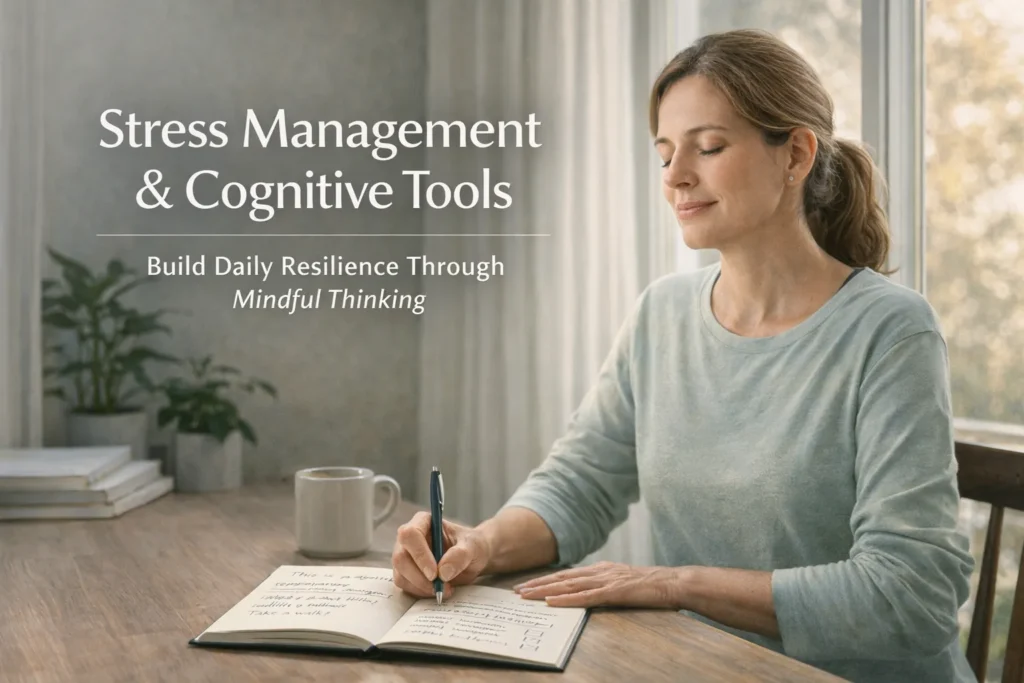
Stress hits everyone. And if you want better cognitive behavioural wellbeing, you must act. Stress is not just feeling tense. It is your body’s alarm, and you can train your mind to respond instead of react.
What Works
You should use CBT (Cognitive Behavioural Therapy) tools
- Notice thoughts that stress you.
• Write them down (journaling helps).
• Challenge old automatic thoughts and change them.
This trains your mind to think better and lowers stress reactions.
You must do mindfulness for stress daily.
- Breathe slowly.
• Notice sensations without judgement.
• Focus on now, not the past or future.
Mindfulness increases emotional control and resilience in real life.
You can also do structured problem-solving.
- List the problem.
• Break into small steps.
• Choose one action now.
This stops being overwhelming.
Simple Daily Flow
- Pause
- Breathe
- Journal one thought
- Pick one action
Repeat daily. This builds real resilience and lowers stress over time. Your brain learns to cope, not collapse.
Building Strong Relationships and Social Support
Social connections improve your mental health and life satisfaction. Strong relationships cut depression risk and add years to life. You feel happier with good support around you.
Why Connections Matter
Social ties lower stress and fight chronic illnesses like heart disease. Studies show people with solid networks report higher life satisfaction. Loneliness hurts more than smoking sometimes. Do this: Reach out daily to friends or family.
Key Strategies to Build Bonds
- Gratitude Practice: Tell someone thanks each day. It raises positive mood by 4% and cuts anxiety. Write three things you appreciate about them weekly.
- Community Involvement: Join local groups or volunteer. This builds belonging and drops depression symptoms. Go to events now, meet people there.
- Reciprocity: Give help, get help back. Share support mutually—it strengthens trust and resilience.
Start today. Your relationships grow stronger, so does your wellbeing.
Nutrition, Lifestyle, and Daily Choice Optimisation
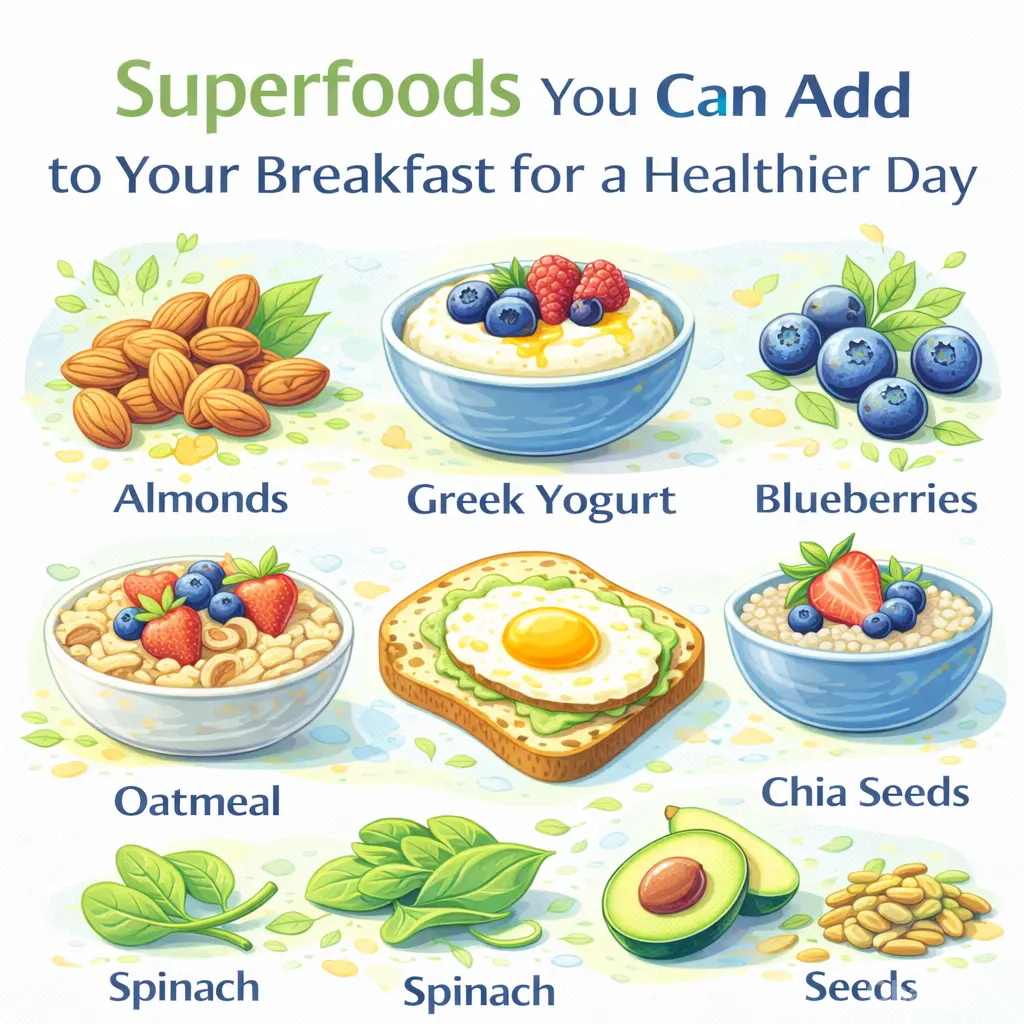
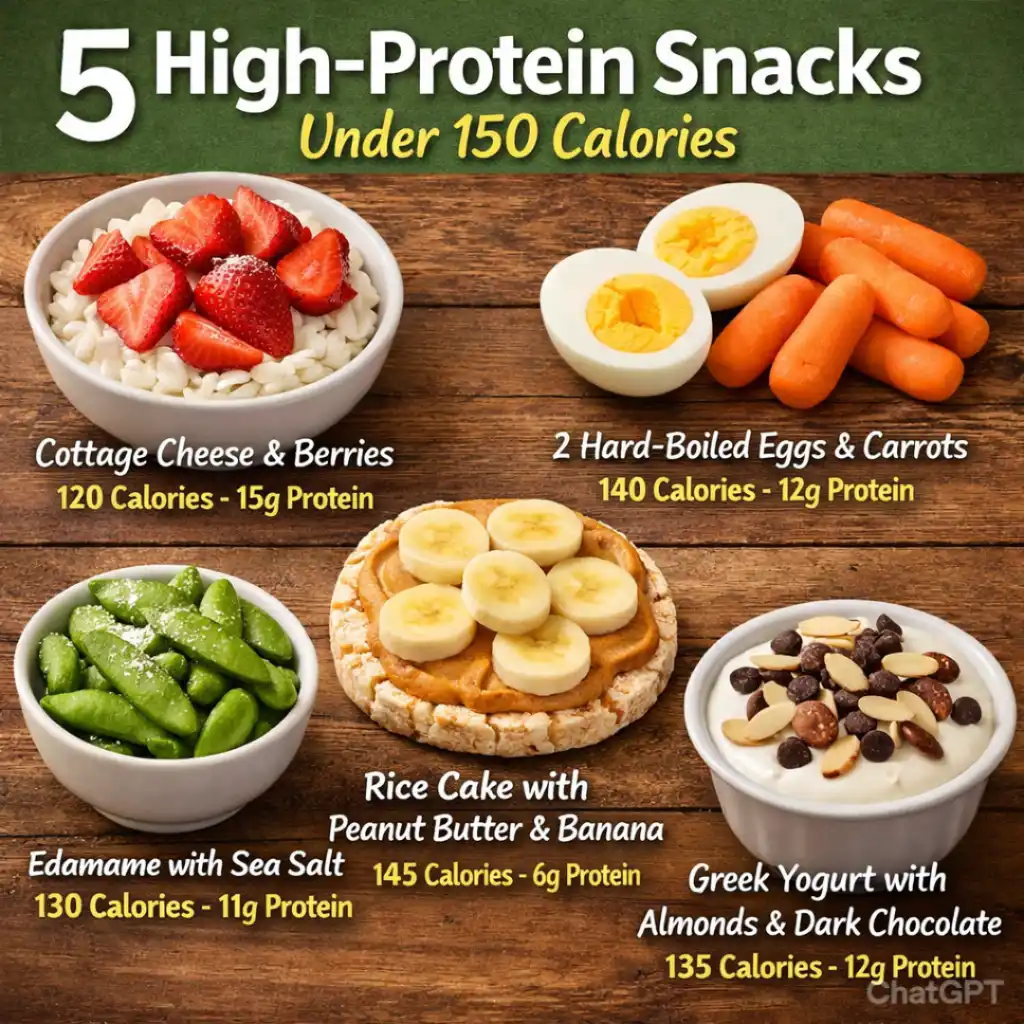
Nutrition for well-being comes from whole foods, fruits, and vegetables. Eat them daily. They boost your mood, give steady energy, and help you recover from stress fast.
How Whole Foods Helps Mood and Energy
Whole foods like carrots, bananas, and spinach fill you with vitamins. Raw ones work best. Studies show they cut depression, lift a positive mood. You feel more optimistic. Energy stays even, no crashes. Example: eat apples mid-morning, skip the tired slump.
Stress Recovery Gets Better
After a hard day, fruits and veggies rebuild you. They lower distress, fight anxiety. Berries and greens do this strongly. Your body heals quickly. Now add them to dinner.
Synergy: Nutrition, Exercise, Sleep
Link them all. A good diet fuels exercise. Exercise deepens sleep. Sleep makes nutrition work better. Together, they sharpen mental health big time. Do a 30-minute walk after a meal. Sleep 7-9 hours. Watch the mood soar.
- Eat 5 fruits/veggies daily
- Walk or do yoga for 30 min
- Bed by 10 PM, no screens
Digital Wellbeing: Managing Technology for Mental Health
Digital well-being is important now because too much screen time and mental health problems often connect. Many people search for screen time and mental health. Studies show excessive screen link to more anxiety and depression.
Impacts of Too Much Technology
Screen time hurts mental health. A 2024 UCSF study found that preteens with more screens had higher depression and anxiety later. CDC says in 2024, teens over 6 hours daily on screens face more anxiety symptoms. Social media adds comparison and overstimulation. It makes you feel stressed or low.
Practical Strategies to Feel Better
Set tech boundaries. Do this now.
- Limit screens to under 4 hours of leisure time daily.
- No phones in the bedroom at night. Sleep improves then.
- Try mindful technology use. Check notifications only certain times.
- Practice digital detox. Take one day off social media weekly. Studies show this reduces stress and boosts wellbeing (like in 2024 reviews).
Start small. Track your screen time first. Then cut back. You will feel calmer soon. Sources: UCSF 2024 study, CDC 2024 reports.
Crafting a Personalised Wellbeing Mastery Plan
You want a personal wellbeing plan that really works. Start with a science-based daily routine. Make it yours. Use SMART goals – they are Specific, Measurable, Achievable, Relevant, and Time-bound. This way, you stick to it.
Focus on small habits. Not big changes all at once. Small ones build resilience better and last longer, say studies from NIH.
Key Areas to Include
- Sleep: Aim for 7-9 hours every night. Adults need this for good health (American Academy of Sleep Medicine).
- Movement: Do 150 minutes of moderate activity per week. Like brisk walking. And strength exercises 2 days (CDC guidelines).
- Nutrition: Eat more fruits, veggies. Balanced meals. Cut junk a bit.
- Stress Management: Breathe deeply daily or meditate for 10 minutes.
- Social Engagement: Talk to friends or family often. Connect.
How to Build It
Pick one small habit per area first. Example: Walk 10 minutes after dinner. Then add more. Track weekly. Adjust if needed.
Do this. You will feel stronger soon. Science shows these build better well-being over time (Harvard Health).
Tracking Progress and Measuring Wellbeing Success
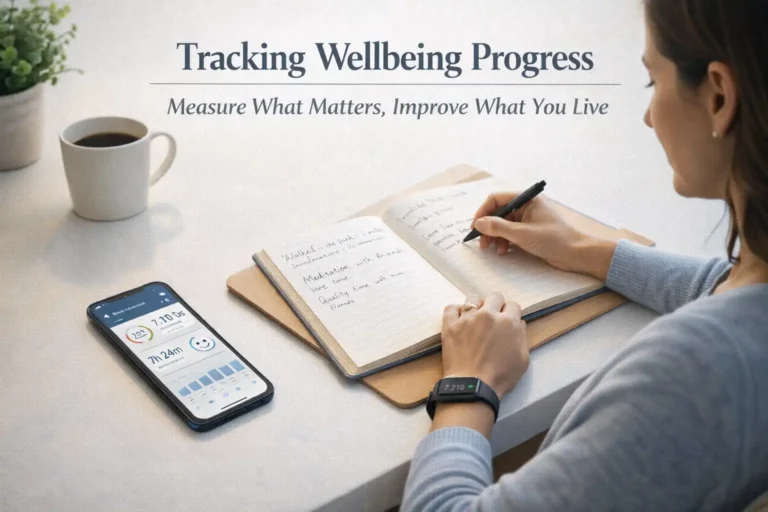
You want to track well-being progress because just feeling “better” is too vague. You need numbers, journals, and proof. This guide tells you how to do it right and stay motivated.
What to Monitor (Simple List)
- Steps & activity (walk, run, move) — use wearable tech like fitness trackers. They help you see how much you move and improve over time. Studies show trackers motivate and change behaviour by giving feedback you can act on.
- Sleep patterns — track sleep length and quality to fix poor rest. Wearables can show cycles and help improve mood and energy. I
- Mood & stress — record mood in a journal or with an app multiple times per day. This is called experience sampling.
- Diet habits — note food, water, and goals in a daily log.
Tools to Use
- Journal
- Write date, time, mood, and habits.
- Daily note: “slept 6h, walked 5k steps, felt stressed at 3 pm.”
- This gives you data you can review weekly.
- Wearable tech
- Use a watch or tracker to record steps, heart rate, and sleep.
- Check trends weekly, not obsess hourly.
- Self‑assessments
- Once a week, score your wellbeing 1–10.
- Compare the score this week vs last.
How to Use Your Data
- Collect data every day.
- Review weekly.
- Set small goals, like +500 steps each week.
- Celebrate wins.
You see clear progress, and that data keeps you going. Research backs this: people with tracking see more motivation and accountability.
Start now. Track, review, improve, repeat.
Final Thoughts: Lifelong Path to Wellbeing Mastery
Lifelong well-being mastery is not a finish line. It is a daily practice. It means science‑backed daily wellbeing habits that you do again and again until they become part of your life. Real research shows that keeping habits up long‑term matters most for lasting happiness and life satisfaction. If you don’t keep practising gratitude, exercise, journaling, and meditation, the benefits fade fast. You must treat it like going to a gym for your mind.
Daily Wellbeing Steps
- Gratitude practice – write 3 things you are grateful for daily to improve mood and positive feelings.
- Stay active – even a walk helps mood and health.
- Connect with people – strong relationships are the top predictor of long life and wellbeing.
- Mindful breathing/moment – slow breaths reduce stress and reset focus.
Now track progress weekly. Write what works for you and what doesn’t. Keep only what makes you feel stronger. Well-being is holistic. It is body, mind, habits, and relationships. Then review goals every month and adjust. Start today. Do one small habit and then build.
Checkout our latest blogs
Improve rest naturally with Natural Sleep Remedies.
Embrace a balanced lifestyle using the Complete Wellness Guide for Optimal Living.
Explore holistic approaches to mind–body health in Health and Wellness.
Frequently Asked Questions
You need the basics first: move your body, eat more whole foods, connect with others, and get light in the morning. These actions change how your brain and body work in real ways. Walking 7,000–10,000 steps a day lowers disease risk and helps mood.
Name what you feel out loud or write it down. When people do this, the brain calms down, and stress goes down even if the problem stays the same.
Keeping a gratitude journal increases positive emotions and helps you sleep better, feel more optimistic, and stay connected with people.
Practice “savouring.” When something good happens, focus on it for at least 20 seconds. This helps your brain hold onto positive feelings longer.
Yes. Real connections with friends and family raise mood, lower loneliness, and protect mental health.
References
Kovich, M. K., et al. (2022). Application of the PERMA model of well-being in undergraduate medical education. PMC, Article PMC9607835.
Kern, M. L., et al. (2015). Testing the PERMA model. PMC, Article PMC4337659.
Waldinger, R., & Schulz, M. S. (2024). The good life: Lessons from the world’s longest scientific study of happiness. Simon & Schuster.
Harvard Gazette. (2017, April 11). Over nearly 80 years, Harvard studies have been showing how to live a healthy and happy life. Harvard Gazette.
Ramar, K., et al. (2021). Sleep is essential to health: An American Academy of Sleep Medicine position statement. Journal of Clinical Sleep Medicine, 17(10), 2085–2097.
U.S. Department of Health and Human Services. (2018). Physical activity guidelines for Americans (2nd ed.).
Piercy, K. L., et al. (2018). The Physical Activity Guidelines for Americans. JAMA, 320(19), 2020–2028.