Wellness is the balanced state of physical health, mental clarity, emotional stability, and daily habits that support long-term wellbeing. It combines body, mind, habits, and even your environment.
Many people feel tired, stressed, and unfocused every day. Even when life seems okay, nothing is wrong, really. This happens a lot now.
Modern life brings fast food, too much screen time, long hours sitting, and poor sleep. These things hurt health. For example, too much sedentary time and screens link to worse sleep and more stress (from NIH and recent studies).
This complete wellness guide is not a quick fix. It takes time. You build habits step by step.
Start simple: Move your body every day. Eat real food, not processed much. Sleep 7-9 hours. Reduce screens before bed. Spend time outside. Breathe deep when stressed.
Do these things. You feel better for optimal living. Holistic wellness helps long-term. I share this as a guide, not a doctor.
Table of Contents
ToggleWhy Modern Lifestyles Affect Wellness – Common Root Causes of Imbalance
Modern lifestyle health issues create a wellness imbalance fast. You sit too much, eat wrong, sleep badly, and stress overloads you. Know the root causes now.
Sedentary routines mess with hormones and energy.
You desk-sit 8 hours daily. This drops insulin sensitivity and spikes cortisol. Effect? Low energy all day, mood swings hit hard. Like in the Mayo Clinic stress report, constant cortisol disrupts everything.
Processed food dependence hurts digestion and mood.
Grab chips and sodas daily. They lack fibre and overload on sugar. Because of poor gut bacteria, inflammation rises. Then digestion slows, serotonin drops—mood crashes. Cleveland Clinic notes hormonal mess from this.
Sleep disruption throws off recovery.
Screens till midnight. Melatonin blocks, cycles break. Hormones like growth hormones fail, and digestion weakens. You wake tired, energy flat.
Mental overload from notifications kills focus.
Phone pings non-stop. Brain cortisol floods, overloads. Athena BHS says this links to anxiety and poor cognitive function.
Small imbalances compound over time. One bad day turns chronic. Like PMC study shows, lifestyle stress raises disease risk 86% in unhealthy patterns. Notice patterns, adjust early. You build better wellness step by step.
Nutrition for Wellness – Eating Patterns That Support Optimal Living
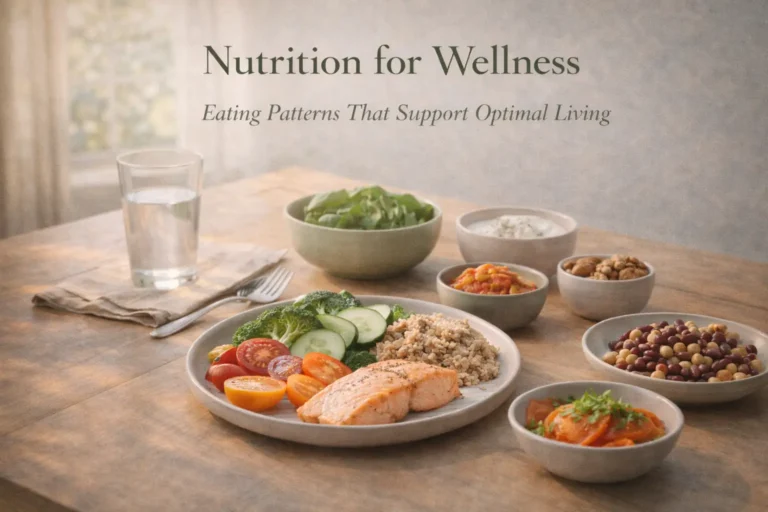
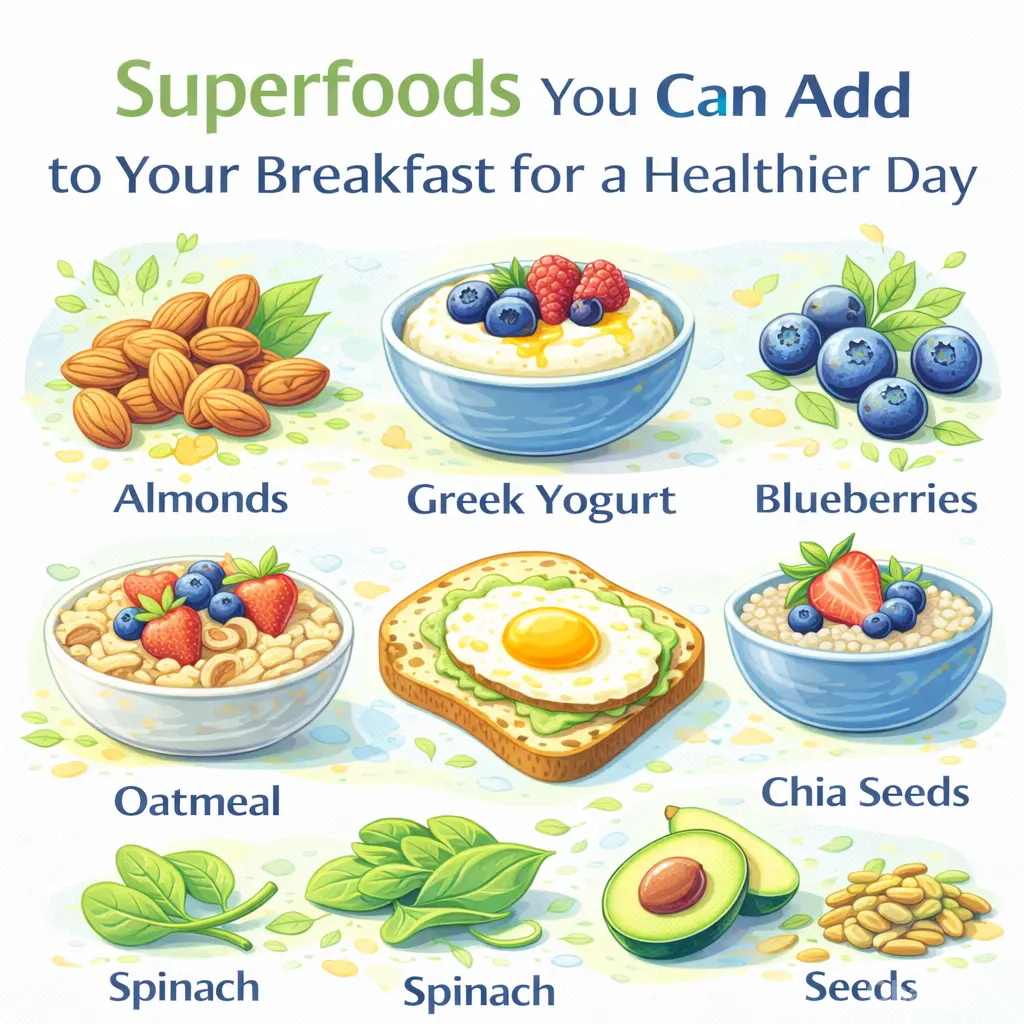
Wellness nutrition is about nourishment, not restriction. You start with nutrition for wellness through real foods. Eat whole foods like vegetables, fruits, grains, nuts, and seeds. They give fibre and vitamins. Harvard Nutrition Source says make half your plate these.
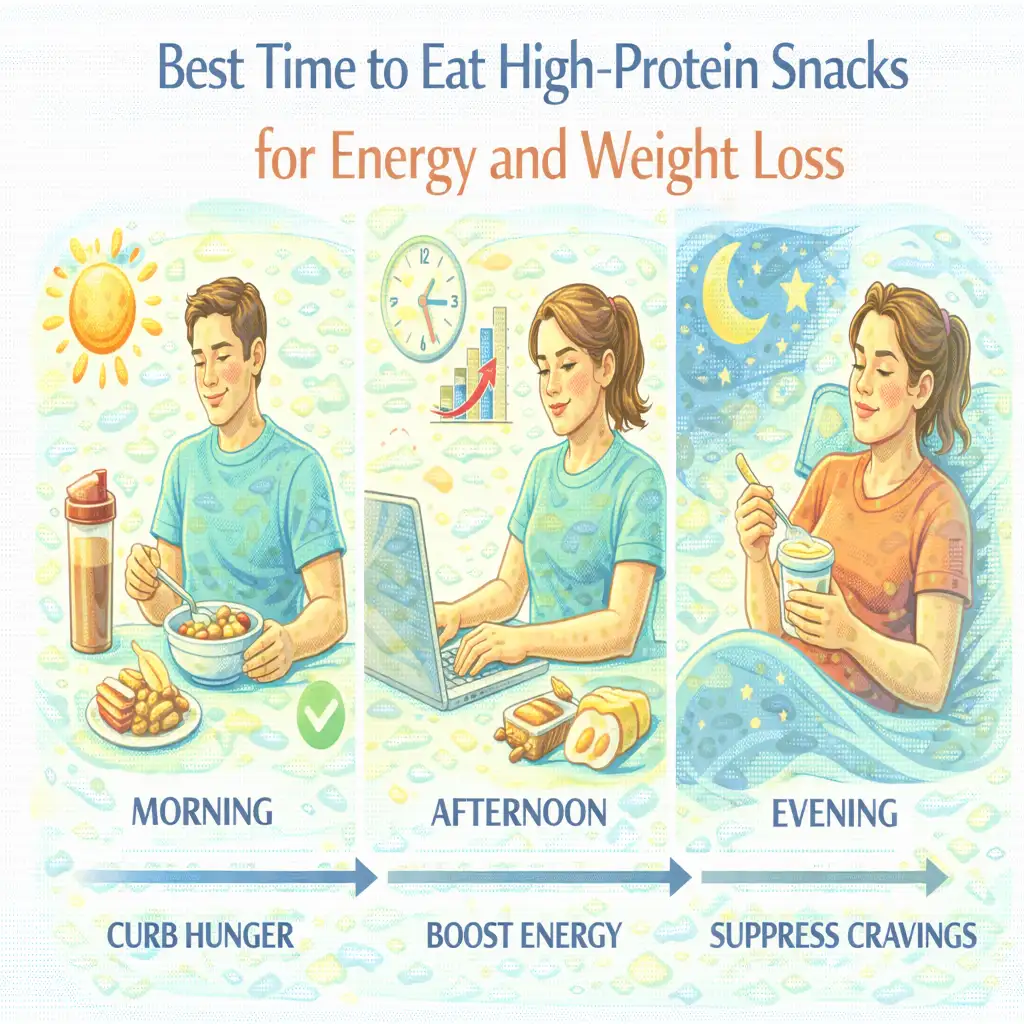
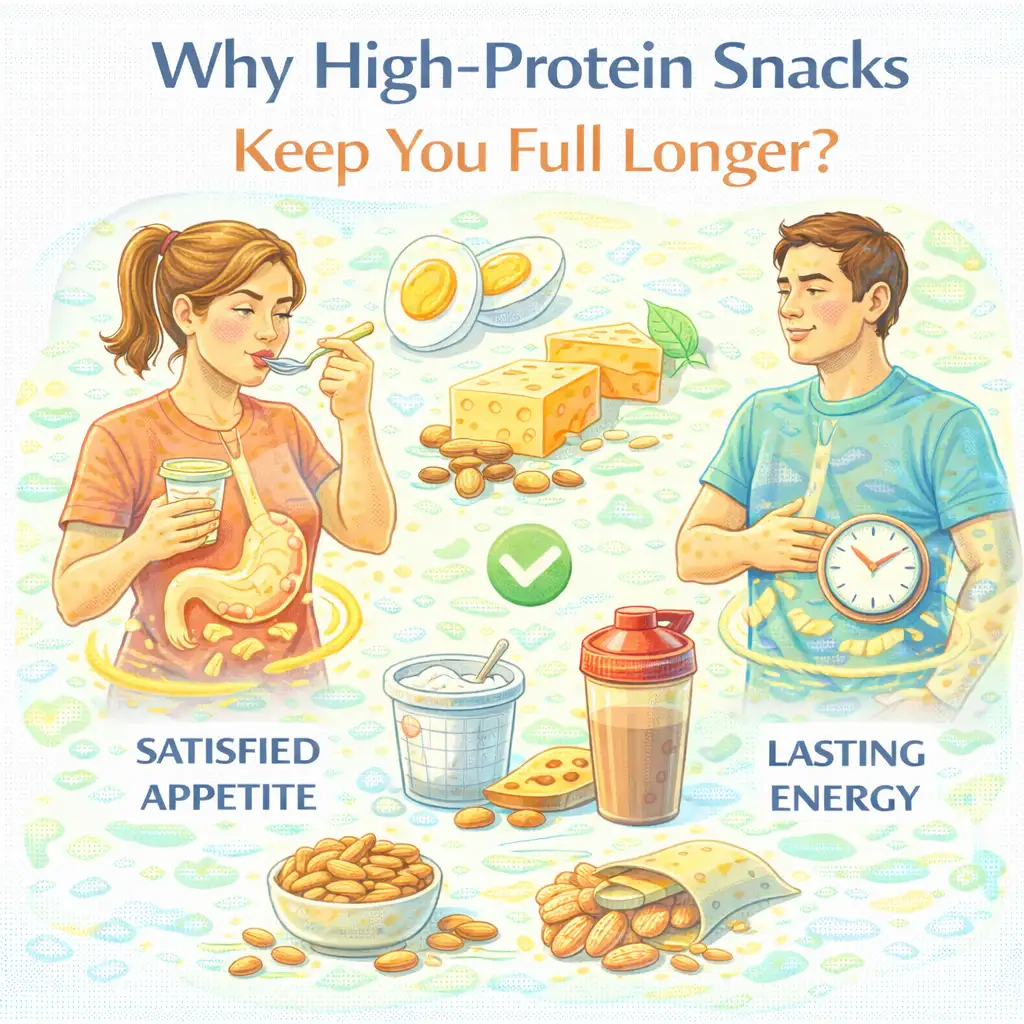
Now add lean proteins. Choose plant ones like beans or animals like fish, eggs. They build strength. The NHS guide tells base meals on these for balance.
Include fermented foods for gut health. Yoghurt and kimchi help good bacteria grow. Stanford Medicine notes they cut inflammation and aid digestion.
Drink water all day. Stay hydrated. Watch portions, eat slowly, and feel full.
Limit excess sugar and fried foods. Do not overdo it.
Quick Wellness Eating List
- Focus on whole foods
- Eat balanced meals
- Stay hydrated
- Avoid extreme dieting
Follow this healthy diet plan. Feel energy rise. Whole food benefits last longer.
Movement and Exercise for a Balanced Life
Exercise for wellness starts with daily physical activity. Forget gym pressure. Make it a simple movement in your day. You get heart health from this. It lowers stress, too. Sleep improves. Mental clarity comes fast.
Benefits Beyond Weight Loss
A strong heart pumps better. Doingo daily physical activity, blood pressure drops. Stress is released through endorphins. Feel happier, like after a good walk. Better sleep happens naturally. Wake up fresh. Mental clarity sharpens focus. Think clearly, no fog.
Forms of Fitness Routine
Pick what fits you. No one-size-fits-all. Personalise it.
Walking
- Brisk 30 minutes daily is enough, says the WHO guidelines.
- Builds stamina, easy start.
- Do with family, talk while moving.
Strength Training
- Lift light weights twice weekly.
- Builds muscle, boosts energy.
- Use bodyweight, like squats at home.
Yoga or Pilates
- Stretch and breathe for 20 minutes.
- Improves balance, reduces pain.
- Great for flexibility, a calm mind.
Sports
- Play badminton or football.
- Fun way to move.
- Social keeps you coming back.
Aim for 30 minutes most days. Adjust for your life. Start slow. Feel the change.
Mental Wellness – Building Emotional Strength and Clarity
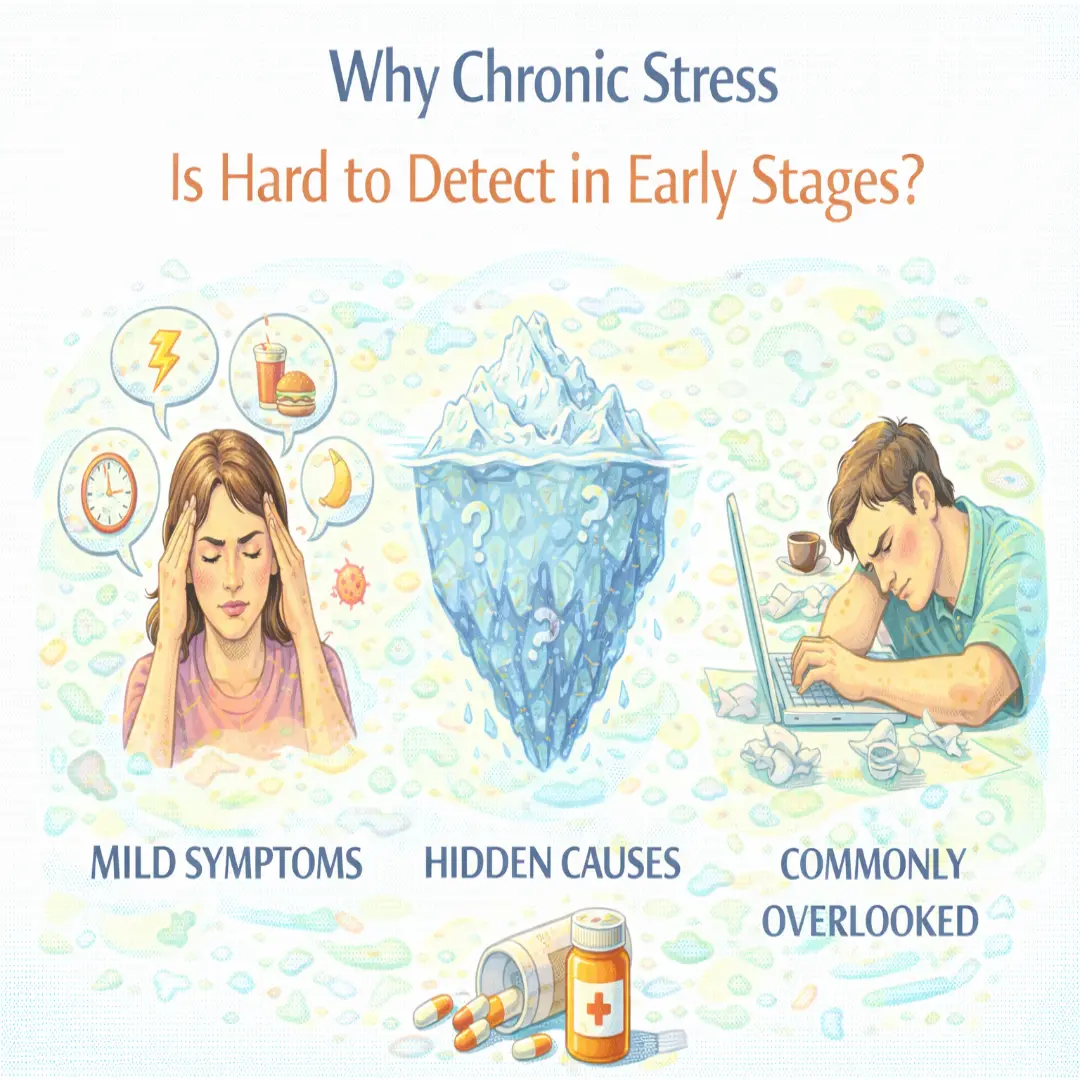
Mental wellness practices start with normalising mental stress. Everyone feels it. Work pressure, family worries—it’s normal. Don’t fight it. Accept it first, then handle it better. Mayo Clinic says stress relievers like meditation bring calm and emotional balance.
Build emotional awareness now. Identify your emotions. Ask: Am I angry? Sad? Anxious? Name them clearly. Example: After an argument, say, “I feel frustrated.” Then express, don’t suppress. Talk to friends or write it out. Suppressing builds more stress. Cleveland Clinic notes this awareness cuts stress effects.
Use these tools for emotional balance and stress management.
- Practice mindfulness: Sit quietly for 5 minutes. Breathe deep. Watch thoughts pass.
- Do journaling: Write daily feelings. What triggered it? Helps process.
- Try gratitude: List 3 good things nightly. Shifts focus positively.
- Takea digital detox: No phone for 1 hour daily. Rest mind.
- Spend nature time: Walk park for 20 minutes. Clears head fast.
Do these daily. See clarity grow. HelpGuide.org backs these for better stress control. Start today. You got this.
Sleep and Recovery – The Pillar of True Wellness
Sleep for wellness starts here. Poor sleep hits your immunity hard, sours your mood, and messes with your metabolism. Studies show it—like from NIH researchers—sleep regulates immune cells and cytokines, so you fight infections better.
Why is sleep important for health? It recharges the body and mind. Recovery matches your workouts. Do consistent sleep timing first. I go to bed at the same time nightly and wake up at the same time. Even weekends.
Cut screen exposure now. Blue light tricks the brain. Stop phones one hour before bed.
Build calm pre-bed habits. Read a book or stretch light.
Here healthy sleep routine steps for restorative sleep:
- Set fixed sleep times daily.
- Dim the lights two hours before bed.
- No caffeine after noon.
- Keep the room cool and dark.
- Wind down with tea or breathing.
Recovery equals activity. Miss sleep, no gains. Stick this, feel better fast.
Social and Relationship Wellness – Human Connection for a Happier Life

Humans are social beings. You need connections for health. Social wellness comes from family bonds, friendships, and community. WHO says social connection cuts early death risk and fights inflammation.
Family Bonds Build Strength
Family gives an emotional support system. Talk openly with them. Share problems, then feel less stress. CDC notes stable families help cope with life challenges. Do this daily. Call parents now.
Friendships Boost Mood
Friends raise happiness. Meet them weekly. Laugh together, so anxiety drops. Mayo Clinic shows friendships lower stress and give purpose. Set boundaries. Say no when needed.
Community Creates Belonging
Join local groups. Volunteer or chat with neighbours. This builds mutual respect. Harvard research links community to longer life. Communicate clearly. Listen first.
Loneliness hits one in six people. It raises the risk of depression by double, according to the WHO. Toxic relationships drain you. Spot them with no respect. Walk away. Build healthy relationships with boundaries. You deserve self-respect. Start small today.
Work–Life Balance and Managing Daily Stress
Work-life balance saves you from daily stress management nightmares. Burnout creeps in slowly, not suddenly. It starts with small tiredness, then builds to full exhaustion over weeks or months.
Set boundaries now. Turn off work emails after 7 PM. No replies at night. Tell your boss your hours, stick to them. This stops overload.
Take breaks every hour. Stand up, walk around the office or home. Five minutes resets your mind. Delegate tasks too. Pass small jobs to the team, free your plate.
Make downtime real. Block calendar for family or rest, treat it like meetings. No skipping.
How to Manage Daily Stress?
- Short walks outside, 10 minutes clears the head. Example: After lunch, circle block.
- Stretching arms and neck at the desk, hold 20 seconds on each side.
- Hobbies like reading or gardening, 30 minutes daily.
- Breathing exercises: Inhale 4 counts, hold 4, exhale 4. Do it three times.
Burnout prevention works when you start today. You feel better fast.
Wellness Habits That Stick – Building Routines for Long-Term Success
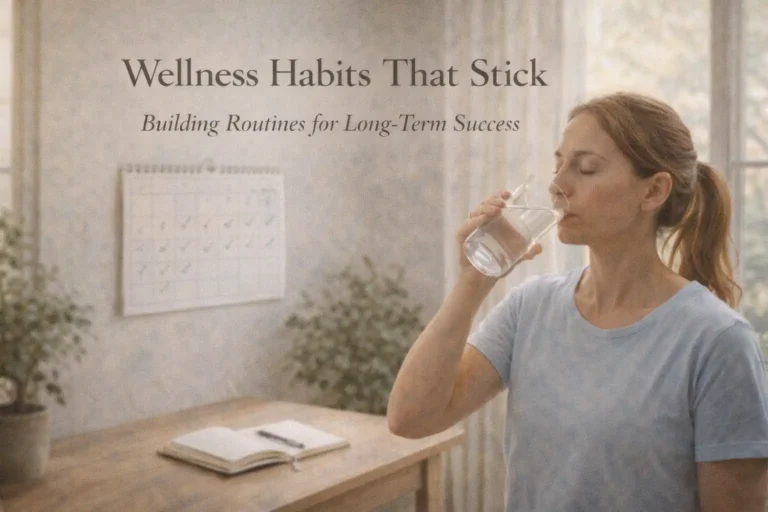
Long-term wellness habits beat motivation every time. Motivation comes and goes, like feeling good one day and lazy the next. Consistency builds real change, says NIH research on habit formation.
Why Consistency Wins
Do habits daily. They stick after 6-8 weeks of repetition, per studies. Motivation fades with mood or weather. So, rely on routine instead. Example: Walk 10 minutes every morning, rain or shine. This createsan automatic lifestyle change.
Build Healthy Routines Now
Stack habits. Tie the new one to the old. Drink water right after brushing your teeth. The American Heart Association calls this habit stacking for success.
- Set small goals. Start with 5 minutes, not an hour, at the gym.
- Morning routines work best. Wake up, hydrate, and move your body simply.
- Plan weekly. Sunday night, list three easy habits. Track in journal. Note what you ate, slept, and felt.
Track and Celebrate
Mark the calendar for wins. Did three walks? Reward yourself with your favourite tea. See progress weekly, adjust small. This keeps you going long-term.
Sustainability matters. No big pressure. Small steps lead to better health over the years.
Why Follow This Guide?
- Evidence-Based: Every recommendation is cross-referenced with the latest 2025 reports from WHO and NIH.
- Holistic Approach: We don’t just look at calories; we look at the intersection of sleep, social bonds, and digital health.
- Sustainable Growth: Our “Micro-Step” philosophy ensures you don’t burn out in the first week.
Conclusion – A Lifestyle of Wellness, Not a Temporary Fix
Sustainable wellness means healthy living long-term. Not quick fixes. Make it your daily way.
Nutrition first. Eat whole foods daily. Veggies, fruits, nuts. WHO says 400g of fruits and veggies each day cuts disease risk.
Move your body. Walk 30 minutes. Or yoga. Builds strength over time.
Mental health matters. Breathe deep when stressed. Journal thoughts. Keeps the mind clear.
Sleep 7-8 hours. Dark room. No screens before bed. Restores you fully.
Build relationships. Talk with family friends. Share laughs. Strengthens the heart and mood.
This is a lifestyle. Not dieting. Studies show it adds 8-10 years of life expectancy. You got this. Keep going steady. Feel the difference soon.
Checkout Our Latest Articles
Restore healthy sleep–wake cycles with Circadian Rhythm Healing.
Explore gentle, effective options in Natural Sleep Remedies.
Take a holistic approach to mind and body care with Health and Wellness.
Frequently Asked Questions
Check your sleep first. Aim for 7-9 hours nightly. Good sleep cuts stress and boosts mood, says the Sleep Foundation. Poor sleep raises heart disease risk. Track yours now. Wake up tired? Fix bedtime routine then.
List your stress busters. Walking works, releases endorphins per Mental Health Foundation. Breathing exercises help too. Not working? Try new ones. Rate them weekly, so you improve mental resilience.
Count close people you trust. Strong ties build belonging, from Positive Psychology. Call one today. No support? Join a group now. This keeps emotional health solid.
Review your day. Matches purpose? Aligns with fulfilment, notes wellness wheels in NMSS guide. Change your job if not. Journal values weekly.
List checkups and habits. Exercise 30 minutes daily, and eat a balanced diet. CDC says this prevents sickness. Schedule a doctor visit now. Track progress monthly.
References
American Heart Association. (n.d.). Habit stacking for success.
Athena Behavioural Health Services. (n.d.). Notifications and cognitive function.
Centres for Disease Control and Prevention. (2025). About sleep.
Cleveland Clinic. (n.d.). Hormonal effects of processed foods.
Harvard T.H. Chan School of Public Health. (n.d.). Nutrition source: Plate method. HelpGuide.org. (n.d.). Stress management tools.
Mayo Clinic. (n.d.). Stress and cortisol report.