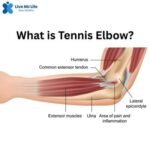
Why We Need Tennis Elbow Treatment Day-to-day tasks such as wiping countertops or typing on keyboards to lifting cups for drinking may become excruciatingly painful and mentally draining when living with tennis elbow. Few fast solutions give relief from pain and restore strength to enable such individuals to resume a normal life-this article, therefore, talks about what causes the condition, the effects produced, and the best way to manage it. Whether working on a health and fitness program or trying to get through life without undue pain, learning how to treat this condition is the first step toward permanent relief.
Understanding Tennis Elbow Treatment: What Causes It?
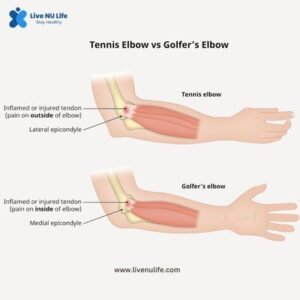
Power forearm pain is a well-recognised condition characterised by discomfort in the outer portion of an elbow caused by strain on forearm tendons. While tennis players commonly report this form of forearm discomfort, other activities could potentially also bring on symptoms.
Gripping, lifting, and twisting activities, which contribute to inflammation, are common risk factors; such activities lead to pain caused by gripping, lifting, and twisting activities, which ultimately create small loads that lead to inflamed lateral epicondyles and cause bone inflammations via gripping, lifting, and twisting activities that subsequently inflame them, leading to lateral epicondyle inflammation that further inflames before finally leading to inflammation caused by creating loads at lateral epicondyles.
these activities as cause bone inflammations after bone inflammations to bone caused through grip
- Repetitive arm motions found in jobs or sports (e.g. tennis, painting and carpentry) combined with improper technique may exacerbate arm issues and lead to potential future arm issues. This may happen from activities like tennis, painting and carpentry.
- Age (most often between 30-50).
- Developing forearms that lose their freedom or strength could make the problem lateral
if not treated could become painful when performing daily activities.
tennis elbow treatment needs to be planned after an early diagnosis, and this can include simple physical therapies with aimed exercises or surgery in the advanced cases; having knowledge of the cause motivates healing and also prevents further instances of the disease.
Symptoms and Diagnosis of Tennis Elbow
Tennis Elbow Over time, tennis elbow symptoms gradually manifest themselves. The primary symptom is pain on the outside of the elbow that sometimes penetrates down into the forearm. The symptoms of lateral epicondylitis aggravate on activities requiring gripping forces or lifting. These include turning doorknobs, shaking hands, holding a coffee mug, and so on. Pronation and supination movements while using doorknobs also tend to increase the severity.
- Other telling signs are poor grip strength.
- Subtle stiffness or tenderness in the elbow, particularly upon awakening
- pain with wrist extension or the extension of fingers
- Repetitive motion injuries caused by typing or tool-use activity
should be clinically evaluated by a medical practitioner or physiotherapist. These experts usually press on the lateral side of the elbow to elicit tenderness, and they ask the patient to extend the wrist and fingers against resistance. Most injuries are diagnosed without an MRI or ultrasound, and in any case, one should seek immediate medical attention if he has had symptoms that persist for several weeks an MRI or ultrasound can be recommended if
- The symptoms linger beyond several weeks, or else one has to seek medical opinion right away in case pain does continue beyond several weeks if symptoms.
- Home cures and rest might be ineffective in terms of providing relief
Early diagnosis ensures the preparation of a tennis elbow treatment plan for chronic conditions and their further aggravation. It also provides for physical therapy alongside exercises that target the tennis elbow.
Overview of tennis elbow treatment Options
Relief of pain, reduction of inflammation, and return of strength and mobility to the affected arm constitute the tennis elbow treatment. Usually non-surgical, they function quite well if the therapy is initiated early enough; the choice between which of that may best fit an individual depends largely on the severity and the duration of the symptoms.
- Rest and Activity Modification: Rest and modification of activity whenever possible help in healing by preventing repetitive motions and excessive loading of the tendons.
- Physical Therapy: If a further long-term restoration of function and pain relief come into consideration, these stretching and strengthening exercises shall be individualized. In the meanwhile, ice packs and NSAIDs may also bring down the swelling and keep pain under control.
- Bracing and Elbow Supports: Forearm straps and braces are sometimes employed in an attempt to relieve stress on the affected tendon. Post-treatment, cortisone injections are quite good at relieving deep tissue pain for a short time; however, this is not something to be used on a long-term basis.
- Surgery for Tennis Elbow: Surgery can be considered for relief from pain due to tendon degeneration that could not be remedied by conservative treatment over a span of six months to one year.
An early choice of treatment might reduce healing time and ease chronic pain. Do not hesitate to consult a physiotherapist or a healthcare provider so they can tailor a treatment plan just for you.
Physical Therapy for Tennis Elbow: What to Expect
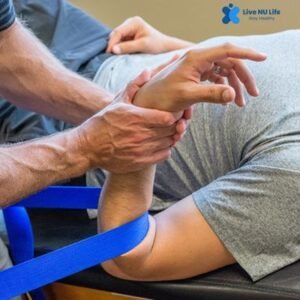
Physical therapy is invaluable for rehabilitation, so as to avoid surgery and restore full functioning of the arm without the use of drugs or surgical procedures. Goals of the therapy are generally focused on relieving pain, strengthening the forearm/elbow area, and increasing the range of motion of the forearm/elbow area.
What to Expect during Physical Therapy:
- Initial Assessment: Your physiotherapist will conduct an initial evaluation which assesses your level of discomfort, range of motion, grip strength and daily activity limitations as well as any movements which cause symptoms as well as muscle imbalances in the forearm and shoulder areas.
- Pain Management: Initial sessions may consist of ice therapy, ultrasound imaging or manual techniques designed to decrease inflammation and promote healing.
- Stretching and Strengthening: Stretches for wrist and forearm will be gradually implemented before progressing to resistance exercises targeting extensor muscles associated with tennis elbow.
- Eccentric Exercise: can be immensely helpful for tendon healing. Your therapist will lead you through a series of slow wrist extensions designed to slowly build strength in the tendon over time.
- Functional Training: Therapy can improve your ability to complete everyday tasks pain-free, such as typing, lifting and playing sports.
- Education and Prevention: To prevent future incidents you will be provided with proper ergonomics, posture modifications, activity modifications and preventive techniques so they do not recur.
Most patients can make significant progress within 6-8 weeks with regular therapy and home exercises.
Most Effective Tennis Elbow Exercises for Recovery
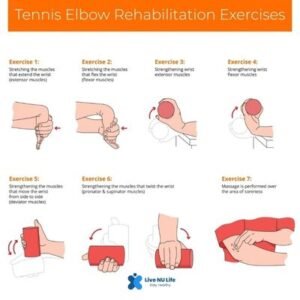
Exercise for tennis elbow recovery can speed its recovery, ease pain and help avoid future occurrences. These exercises target strengthening and stretching forearm and wrist extensor muscles commonly affected in cases of lateral epicondylitis.
- Wrist Extensor Stretch
To perform it: Extend your arm forward with palm facing down. Using one hand to pull gently on each finger until a stretch can be felt in forearm – hold for 20-30 seconds | Repeat three times daily.
- Wrist Flexor Stretch
Purpose: Increase flexibility and decrease tension by lifting your hand upward. Do this similar to before, except switch hands.
- Eccentric Wrist Extension
To perform, begin with palm down while holding onto a light dumbbell in one hand; gradually lower both arms until starting position is reached and repeat for 10-15 reps per set; two sets should suffice per day.
- Wrist Curls (Concentric and Eccentric)
Strengthen flexors and extensors using palm-up/palm-down curls with light weights for both.
- Towel Twist
To safely develop grip and forearm strength, turn a towel like you are wringing out water clockwise then counterclockwise; do this alternately for each arm for optimal results.
- Rubber Band Finger Extensions (FERBs)
For resistance exercises to make fingers and grip stronger, use a rubber band. Keep each movement slow, in case sharp pain sets in; getting assistance from a physiotherapist is recommended.
In conjunction with rest and therapy, tennis elbow exercises could bring about an effective and long-term recovery.
How to Structure a Home Exercise Program for Tennis Elbow
Home Exercise for Tennis Elbow will need structuring so as to allow for a safe, steady recovery, which means following its plan so that strength, pain, and prevention of its recurrent symptoms are restored and balanced.
This requires three components –
- Frequency/Duration, Resistance level, Duration Start Slow:
Work up to two or three sessions every day lasting 10-15 minutes each, including stretching and strengthening exercises. Then pull back to a light stretch daily for flexibility maintenance; strengthen three or four times a week, keeping time between resistance exercises (1-3 times per week). Phase One should be applied by stretching and pain-free range-of-motion exercises.
- Modifications & Safety Training information is omitted. Please keep the rewritten text in the human-like format with fewer variations in sentence structure.
During exercise: Preventing overuse of an injured tendon requires following an excellent form at all times, especially during exercises. Also, any activity that causes sharp pain or increases discomfort should be stopped immediately.
A nice ice pack should follow the sessions, depending on the need, to reduce inflammation.
This is combined with rest and ergonomic changes or bracing as evidence-based by the doctor.
- Consistency Is the Most Important Thing. Being consistent with any technique remains paramount to long-term healing without surgical intervention or higher-level therapies. Hesitez recommends a minimum commitment of 6 to 8 weeks due to gradual improvements and any missed sessions setting the healing further back. When a person follows an adequately designed home program for managing the pain caused by tennis elbow, many restore their functionality and cure the pain without putting themselves under the knife.
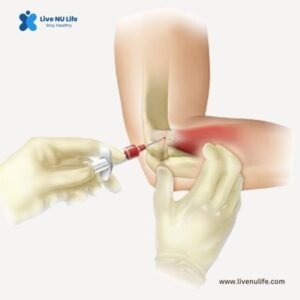
When is Tennis Elbow Surgery Necessary?
If conservative options such as resting, physical therapy, or exercises indeed help reduce the symptoms of tennis elbow but are found to not completely solve the problem, then surgery will probably be considered an option. Knowing when surgery may work would allow the patient to be a partner in assembling the resolution of his or her problem.
Indications for Tennis Elbow Surgery
- Substantial pain lasting 6-12 months that does not respond to therapy
- no relief with noninvasive therapies like bracing, exercises or cortisone injections
- difficulty performing daily tasks due to on-going pain and weakness
- confirmed tendon degeneration/tear via imaging techniques such as MRI/ultrasound imaging.
What to Expect during Tennis Elbow Surgery ?
Most tennis elbow surgeries
- consist of tendon debridement and
- repair via open or minimally invasive techniques (arthroscopy)
- Recovery typically occurs six months post intervention
- Almost all patients report alleviation of pain
- strengthening after surgery
- PT helps restore motion and prevent stiffness as well
Surgery is always the very last option to consider once all other methods of tennis elbow treatment have failed or when symptoms have severely affected a patient’s day-to-day life. There needs to be consultation by the orthopedic specialist and great importance placed upon any advice he or she gives before the patient makes any decision with regard to surgery or any other option.
Conservative vs. Surgical Tennis Elbow Treatment
A Comparison Sometimes deciding between conservative treatment or surgery for tennis elbow can be quite a weak choice for the patient. It is also best to properly investigate the pros and cons of each therapy along with the recovery time and possible risks, so the patient, based on the severity and available time, makes an informed decision.
Conservative treatment could be comprised of Physio, Rest, and Exercise
Which has more potential benefits compared with surgery:
- Noninvasive and cost less
- no downtime Or recovery time from surgery
- success rates with conservative treatment beyond 89-90%
Cons:
- 9-12 weeks or a few months, which again depends on the severity of each individual case
- The patient may need to wait for several weeks or months or years, however.
- Recovery Time: Approximately 9-12 weeks or months.
Recovery time
Initial six to 12-week courses may be necessary (with longer-term plans for inflamed or weak tendons)
Best For:
- this approach tends to work best when treating mild-to-moderate symptoms
- that have recently appeared or early conditions.
- Are Patients Sticking With Their Home Programs
Surgery as an Option When Conservative Measures Fail
- The surgical approach stands as a recourse for relief after all else has failed
- where damaged tendon tissue is completely removed
- the patient treated permanently into comfort.
An infection can develop or there can be irritation to the nerves, and of course, there’d also be the physical therapy sessions to sit through and recovery times of anywhere from three to six months to fully recover strength and basically do any kind of day-to-day activities.
Advantages: When properly done, it offers the much-needed relief, particularly in those types like cancer involving nerves.
Best For:
- Chronic Pain Lasting 6-12 Months
- Refusing Conservative Treatment
- Athleticians or Laborers with Functional Limitations.
Conservatism should always be the initial tennis elbow treatment approach when treating tennis elbow. Only when severe or persistent cases impede daily life does surgery become

Preventing Recurrence: Tips for Long-Term Arm Health
Reducing Recurrence for Long-Term Arm Health Rehabilitation is just the initial step; sustaining long-term arm health refines the importance of putting in preventive measures against flare-ups with lifestyle changes, ergonomic alterations, and maintenance exercises that reduce reinjury risk.
- Implement Proper Ergonomics
Adjust Your Workstation To Reduce Wrist Strain To reduce wrist strain, configure your workstation so as to position elbows close to your body with neutrally aligned wrists and ergonomic mice/keyboards if using computers for extended periods.
Furthermore, practicing good posture to alleviate compensatory stress on the elbow and alter activities that exacerbate it can greatly help.
- Identify Activities Which Strain The Elbow
- Reduce Repetitive Gripping, Twisting and Lifting Motions
- Tools with padded grips or shock absorption features should be used whenever possible
- regular breaks should also be taken when performing repetitive tasks at work or sports activities.
- Warm Up for Physical Activity
Before putting arms through any physical exertion, the first step would be to perform a proper warm-up containing light stretching or range-of-motion activities to get those arms, shoulders, and wrists ready for what lies ahead.
- proactively Maintain Strength and Adaptability
- Gentle wrist extension exercises for tennis elbow should be carried out for the best results at least two or three times every week; towel twisting and rubber band finger stretches are recommended.
- To prevent tennis elbow and increase activity, work on shoulder and core strength so as to reduce the stress on elbows.
Staying consistent can keep flare-ups at bay, supporting both joint health and overall health and fitness tips.
FAQs
- What could speed the healing of tennis elbow?
Resting, icing, taking NSAIDs, and early physiotherapy. Make sure to also check out how to prevent autoimmune disease because systemic inflammation can sometimes complicate the healing of musculoskeletal conditions.
- Can Tennis Elbow Heal on Its Own?
In mild cases, yes. But delaying proper care may cause it to become chronic. If you’re interested in total body resilience, also explore what is fitness and nutrition to maintain joint and muscle health overall.
- How much time will be required to heal the tennis elbow?
Normally, in about 1 – 3 months after appropriate conservative treatment, it is supposed to show improvement; more aggravated or chronic cases might hence take longer for surgical or other treatment interventions like physical therapy treatments to be carried out.
4.How Can I Recognize Harmful Exercise?
Once beneficial exercises should be discontinued if they cause pain during or immediately following them, such as tender exercises. Furthermore, intense gripping, heavy lifting or twisting which prolongs treatment rather than providing relief, like wrist curls and pushups which aggravate existing conditions should be avoided as these could worsen existing issues rather than address them effectively.
- How should I consider surgery for tennis elbow?
In general, surgical intervention for tennis elbow should only be considered once conservative treatments have failed and daily or work activities cause ongoing discomfort; imaging or ultrasound imaging could indicate this could be necessary; tendon tears indicate this could also be necessary.