What is fitness and nutrition?
Physical fitness refers to a broad condition of health and energy and, more precisely, to the capacity for undertaking athletic, occupational, and everyday tasks. It is made up of a number of components, which include cardiovascular endurance, muscle strength, flexibility and body composition. Exercise routinely, aerobic, strong and flexibility) exercises are import in increasing overall levels of fitness.
Nutrition, by contrast, describes the practice of supplying the body with the right amounts of vitamins, minerals, carbohydrates, fats, and proteins, which the body then distributes and uses according to its immediate requirements. It is all about eating a balanced diet that contains the necessary nutrients (carbohydrates, proteins, fats, and vitamins and minerals). Good nutrition is essential to overall health and recovery from exercise and can help you reach or maintain your level of fitness. Fitness and nutrition combine to become complex factors in establishing health and improving both physical performance and overall well-being.
What does it mean to be fit?
Fitness reflects that people are in good physical shape and good health, and their bodies handle physical effort well. Those are just a few of the ingredients that make up the above.
Cardiovascular Endurance: Ability of lungs and heart to deliver oxygen to muscles while exercising.
Muscle Strength is the greatest amount of force that a muscle (or group of muscles) can exert at one time. You may have muscle groups that can push with this force too.
Muscular endurance is known as a muscle’s/lung’s ability to sustain repeated contractions without fatiguing.
Mobility: Your movement potential that actually can be utilized within a particular joint or a series of joints.
Body Composition: The percentages of fat and muscle in the body that can influence overall health and fitness.
All in all, being fit is an essential part of being healthy, because it makes you more capable of doing things physically, makes your quality of life better; and health always helps in living the happiest kind of life.
What is nutrition as a fitness component?
While it’s often included as a “component” of fitness, nutrition is not in and of itself synonymous with the other physical fitness components including strength, endurance, or flexibility. On the contrary, nutrition compliments these by providing the body with the fuel and nutrients needed in order for one to function at its best and recover as expected.
Why nutrition is important for working out:
Energy Supplies: Food is the energy source for exercising. You must have carbs because those are what fuel high intensity exercise.
Muscle Repair and Growth: You need protein to repair and build muscles after working out. This is an essential aspect to be able to lift and be more fit.
General Health: Proper nutrition supports the immune system, reduces the risk of injury, improves overall health, and allows an individual to easily adhere to a workout.
Weight Control: Nutrition is an important factor when attempting to manage body weight and fitness levels because what and when you eat can affect physical performance.
Hydration: Nutrition includes hydration, which is vital for hydration status and, ultimately, performance and recovery, especially during exercise.
The benefits of training can be dramatically reduced without a good diet, and it forms an essential part of any workout.
And why does nutrition and health matter?
There are many reasons to prioritize nutrition and exercise, that impact your physical and mental wellness:
- Physical health Healthy eating and active living can reduce the risk for chronic illnesses such as heart disease, diabetes, obesity.
- Weight Control: A nutritious diet and exercise routine are the first step to maintaining a healthy weight. This is important in combating the risk of health issues tied to overweight or underweight.
- Increased Energy Levels: The body draws energy from a balanced diet to conduct daily activities and workouts. Energy levels are also enhanced by regular exercise due to the increased cardiovascular function and endurance.
- Increased mood and mental health: By releasing endorphins, exercise has been shown to enhance mood and decrease both stress and anxiety. Nutritious diet in balance may help benefit some specific focus and cognitive abilities.
- Improved Strength and Endurance: When you follow a healthy lifestyle and include physical activity in your routine, you will have greater muscle strength and endurance for everyday activities, and you will also be able to participate in physical activities longer without becoming too tired.
- Improved Sleep: Healthy eating and regular physical activity are promoted through improved quality of sleep which is critical for recovery and well-being.
- Life span: Living a healthy lifestyle and eating a well balanced diet can help create longevity adding life to your years while also adding years to your life.
In sum, nutrition and exercise reinforce each other to support health, enhance functional performance, and augment overall quality of life.
Take control of your health. Discover what is fitness and nutrition?

What is health, fitness, and nutrition?
All three of these are inter-related concepts that contribute to a good quality of life:
Mental health: Mental health constitutes a balanced condition in which a person understands his or her strengths, handles common life pressures constructively, engages in work that is rewarding, and maintains fulfilling relationships. It includes a range of things from how we feel emotionally to our relationship behaviours. Good health enables people to enjoy lives worth living, to engage in community life and to cope and adapt with stress.
Fitness: Fitness is exclusive to the physical domain of of health and mean the ability of the body to carry out everyday activities which require movement as well as exercise. It involves everything from cardiovascular endurance to muscular strength, flexibility and body composition. Fitness improves athletic performance, increases energy levels, and breeds good health.
Diet: Diet is a term used to describe a healthy, complete diet crafter from consumption(s) and usage gaining the body the health and performance levels it wants. This includes understanding the importance of a well balanced diet, the fundamental nutrients; carbohydrates, proteins, fats, vitamins and minerals. Nutrition is the fuel for the body and enables recovery, performance and achieving your overall fitness goals.
Health, fitness, and nutrition all intertwine to create a well rounded way of living. Balancing these three aspects will enable people to perform better, experience better mental health and lower the risk of chronic diseases.
Get a deeper understanding of this infection in our full guide on Legionnaires’ Disease: Causes and Symptoms
5 things to know about diet and physical activity
Here are five facts about nutrition and exercise:
- Fuel Optimal Performance: When nutrition is adequate the body is properly fueled to perform. Carbs. Weightlifters need a steady intake of carbs, because they provide your body with the energy needed to perform high-intensity workouts. There are also so many macronutrients to focus on, such as protein for muscle repair and muscle building after you work out.
- Keep your diet in balance: A well-balanced diet – one that contains carbohydrates, protein, fat, vitamins, and minerals – is imperative for performance and recovery. Each of these nutrients has a specific function to promote fitness and health.
- Cool H2O Stays Cold: Drinking cold water influenced how well athletes performed. Even a mild case of dehydration can drain your strength, endurance becloud your thinking. The body needs water to keep itself cool and to enable muscles to work properly.
- Recovery Role: Nutrient Timing after a workout is essential to proper post-workout recovery. Having a snack that combines protein and carbs within half an hour to a couple of hours after finishing a workout can effectively refill your glycogen levels and support muscle recovery. Combine that with steady hydration and you cover the bases for training success to a faster recovery and better performance in subsequent workouts.
- Weight control: Diet and exercise are closely correlated with weight control. A balanced diet, coupled with regular physical activity, helps in the maintenance of a healthy body weight, insulin sensitivity, and the prevention of metabolic diseases such as obesity, diabetes, and heart disease.
These facts highlight the critical relationship between nutrition and fitness and the need to consider aspects of health and well-being more broadly.
Interplay between nutrition and PA
The interdependence of nutrition and physical activity for health and fitness: Part I. The following are a few highlights from this association:
- Energy Balance: Nutrition supplies energy, which is required for physical activity. Sufficient calorie consumption from a variety of sources provides the body with the energy required for physical training. Without the right nutrition, it could lead to low energy levels that may affect performance and motivation.
- Performance Improvement: Correct nutrition can aid you grow physically stronger. “Carbs are great for providing fuel for high-intensity workouts, and proteins helps support the repair and growth of muscles. Fats however are valuable for use on activities which require sustained energy through out. Good nutrition can also enhance stamina and strength.
- Recovery: the body goes through a recovery process post-exercise and these need particular nutrients. Ingesting protein and carbs post-exercise can help to replenish glycogen stores and repair muscle tissue, accelerating recovery and getting one ready for the next session.
- Prevent injuries: A healthy diet full of vitamins and minerals will give strength to prevent injuries. While calcium and vitamin D are important for bone health and antioxidants minimize inflammation and protect against muscle stiffness.
- Goal Achievement: Nutrition and physical activity are also important for reaching your fitness goals. Whether you’re working on losing your baby weight, building muscles, or getting most out of exercise, a smart combination of workouts and specific foods will help you get there faster.
- Mental Health: Consistent exercise can improve your mood and cognitive abilities, and healthy eating can help you maintain your brain health. Both play a role in mental health, and help motivate and focus on fitness targets.
So, in nutshell, nutrition and physical activity are intertwined, such that one supports the other. In combination, they form the basis of healthy living: enhancing performance and health.
Dealing with shoulder pain? Learn about shoulder tendonitis here.
Want to know more about Tennis Elbow. Click here…
Fitness and Nutrition Facts
Here are some key points on fitness and nutrition:
- Diet: A well-rounded diet is one that includes foods from all food groups (fruits, vegetables, grains, protein foods, and healthy fats). This diversity is the key to getting every nutrient the body requires for great health and peak performance.
- Macronutrients and Micronutrients: Macronutrients (carbohydrates, proteins, fats) are important for metabolic functions as they are the energy generators and building blocks for cells. Micronutrients (vitamins and minerals) are for a number of body functions, including bone density, immunity, and energy generation.
- Pre- And Post-Workout: What you eat in the period before exercise (pre-workout), between meals, and after exercise (post-workout) is important to get the most out of your workouts and to recover and build new muscle.
- Hydrate accordingly: Proper hydration is important to maintaining a good level of physical performance. Even mild dehydration can weaken your strength, endurance, and overall performance, so it pays to sip water before, throughout, and after your session.
- Long-Term Gain: Exercising regularly and eating a healthy diet can have long-term health benefits, and it can also help reduce your risk of developing chronic diseases like heart disease, diabetes, and obesity. It’s also good for the mind and quality of life.
- Weight: Healthy eating and exercise are the most effective ways to manage your weight or lose weight. An appreciation for how many calories you need and careful consideration about what you are consuming is key to this.
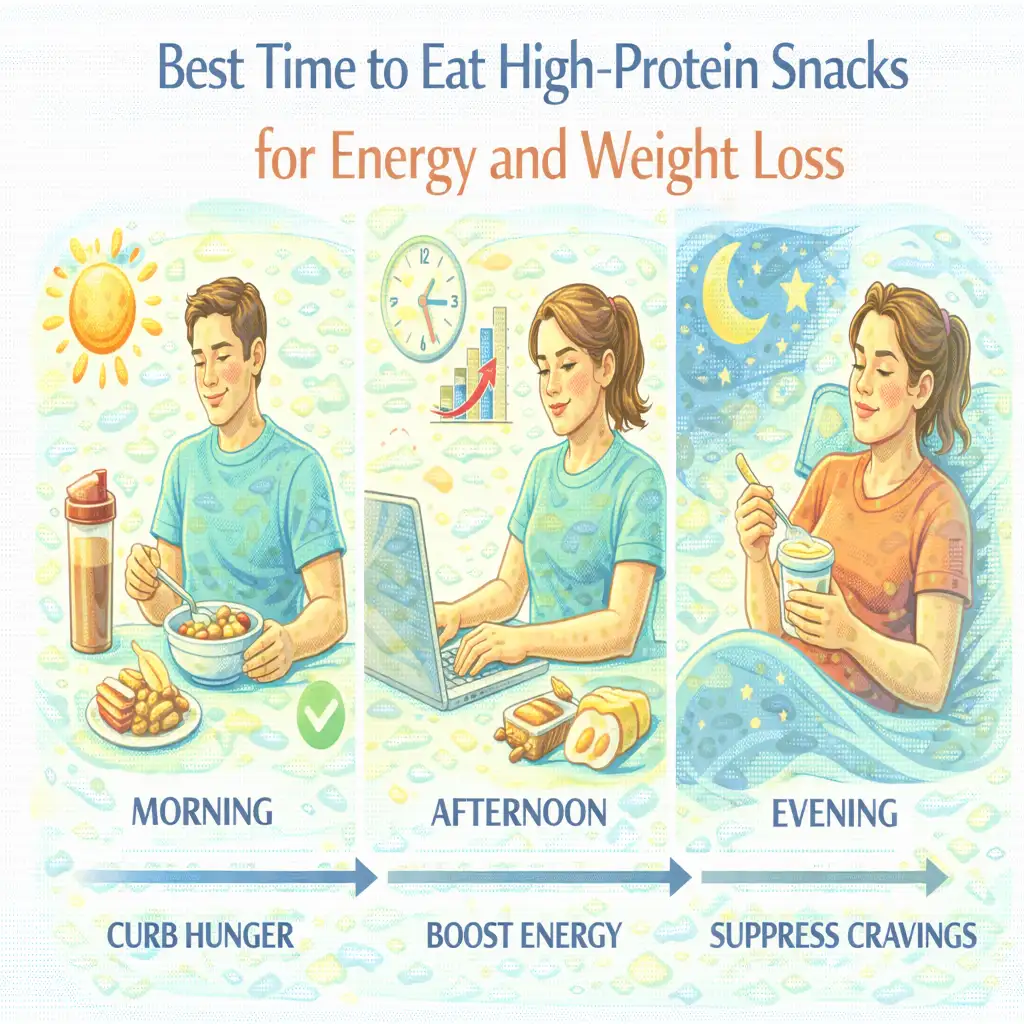
- Food timing: When and what to eat affects energy during exercise. Here’s where the line gets drawn: snacking on something small 30 minutes to an hour before you work out can offer you that extra energy kick, but letting your body recover after a workout is just as important.
- Specific Requirements: Nutritional requirements may differ depending on age, gender, exercise intensity and fitness goals. It is important to provide the appropriate diet to satisfy individual needs and guarantee nutrient intake. If adhered to within a fitness and nutrition program, these truths can result in a superior level of physical performance, increased health, and a heightened quality of life.
Want to know more about health and fitness? Click here to read the full article.
FAQs
What diet is good for fitness?
A good whole food diet including fruits, veggies, whole grains, lean proteins and good fat is best. It is crucial to adjust your nutrition goals based on what you want to achieve (ex: bulk, weight loss, etc.)
How many grams of protein do I need?
For active people, this usually ranges from 1.2 to 2.0 g/kg BW of protein per day, depending on the intensity of their training. Under some circumstances, nutritional counseling can be helpful in achieving these goals.
Do I need to supplement?
Whole foods should absolutely be your main source for vitamins and minerals, but there may be some people that need to take supplements due to specific deficiencies or dietary restrictions. Before diving into any supplements, it’s a good idea to visit a healthcare provider.
How often should I exercise?
The CDC advises that adults get at least 150 minutes a week of moderate-intensity aerobic activity or 75 minutes of vigorous-intensity activity, along with muscle-strengthening exercises on two or more days a week.
What should I eat before exercising?
A light meal or snack of carbs and protein 30 minutes to an hour before working out is best. That could be anything from a banana with a small portion of nut butter, to Greek yoghurt with some berries.
How important is hydration?
Staying hydrated is essential for health and performance. Drinking water is also advised before, during and after physical activities. The required amount may differ depending on level of activity, climatic conditions, age and body needs.
Is it possible to lose weight without exercising?
Yes, a calorie deficit can eventually lead to weight loss simply through diet. But regular physical activity is good for you overall, good for your metabolism, and can help keep weight off long-term.
How can I be better at planning meals?
Begin scheduling a few hours each week for meal planning, list-making and batch cooking. Emphasizing well balanced eating and all food groups can simplify and improve meal planning.
How important are carbohydrates for being fit?
Carbs are the preferred energy source for exercising, particularly at high intensity levels. They help restore glycogen in the muscles and liver, which is key to sustaining performance.
How do I keep myself motivated to workout and keep going with my nutrition?
Having realistic goals, monitoring your progress, having a workout partner, and mixing up your meals and workouts can help keep things interesting and encourage you to stick with it.